SOKO Stuttgart
Action Direction & Stunt Coordination — Ferdi Fischer
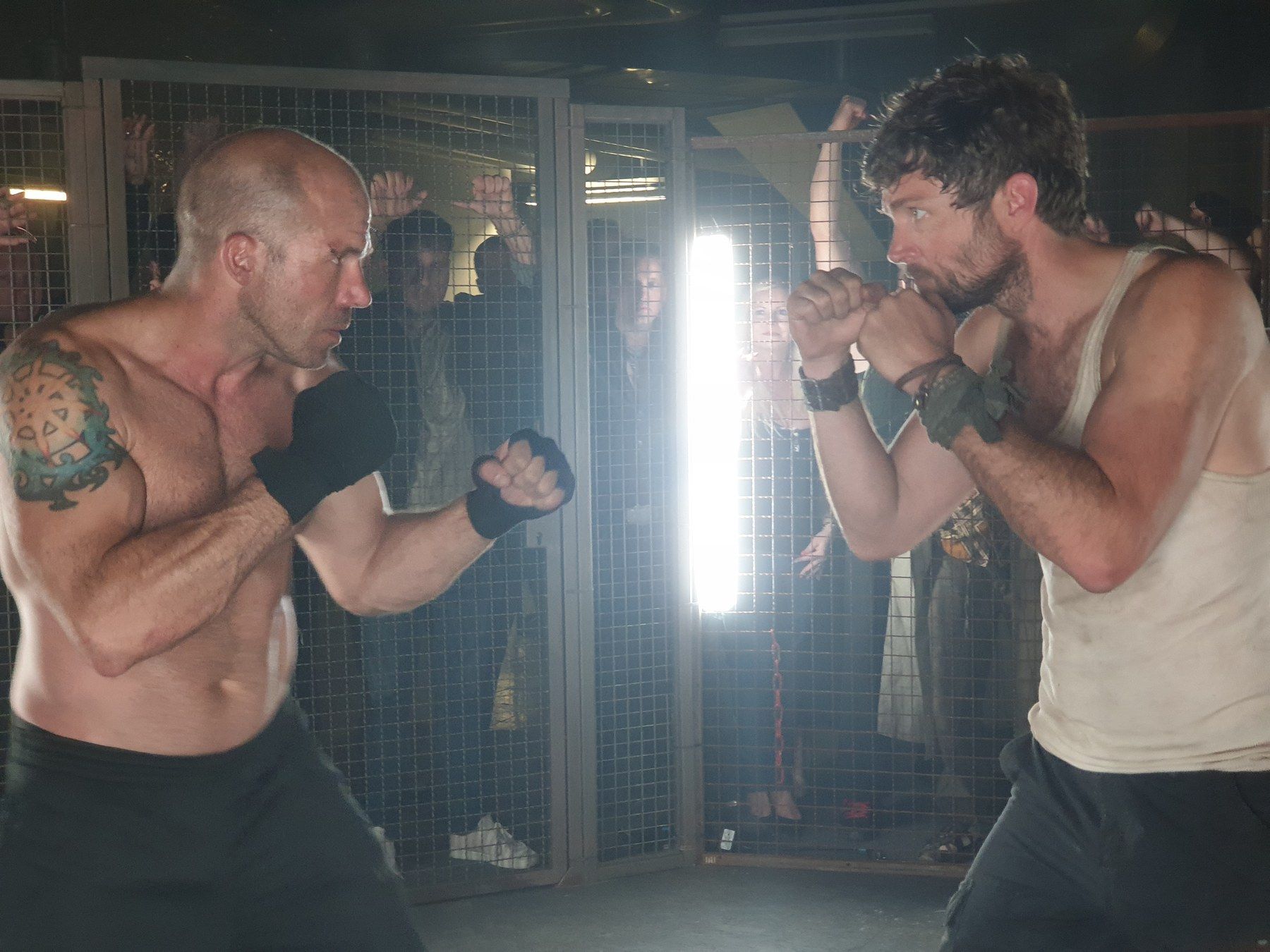
For the “Runde 12” episode of SOKO Stuttgart, Ferdi Fischer developed and directed the action from performer selection and actor preparation through choreography, filmed previs and the shoot. His responsibility combined action direction and stunt coordination across the entire process.
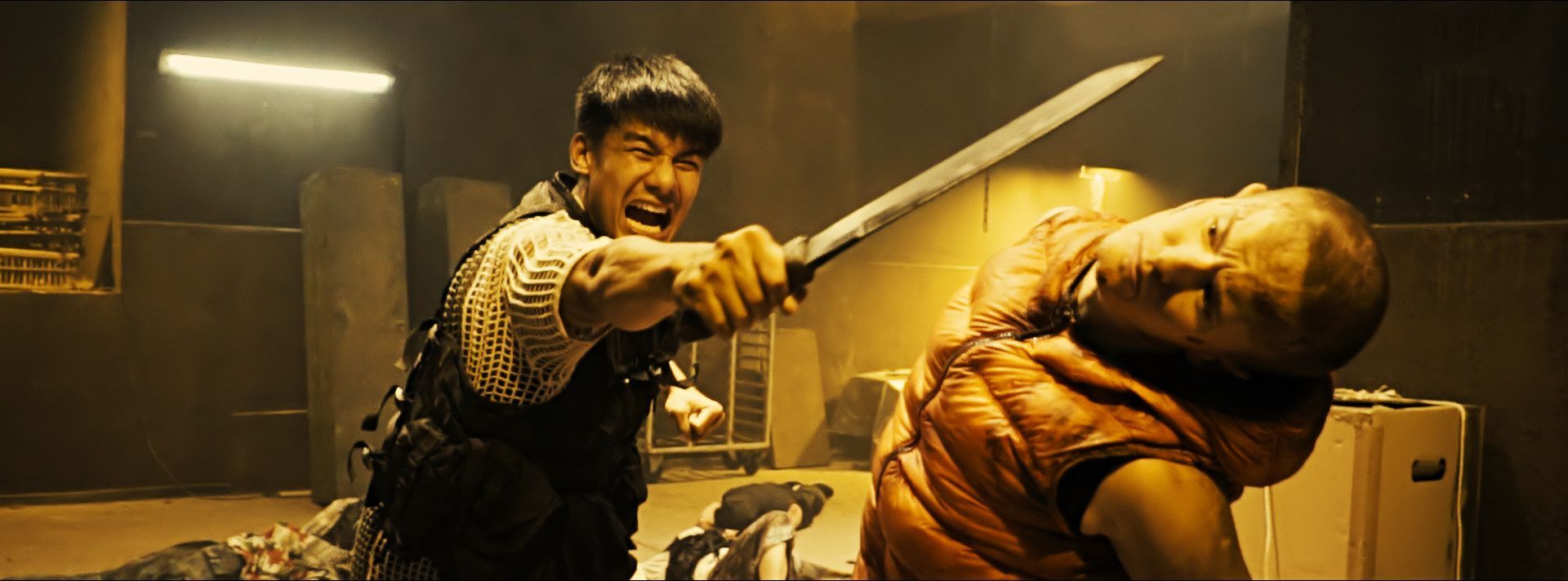
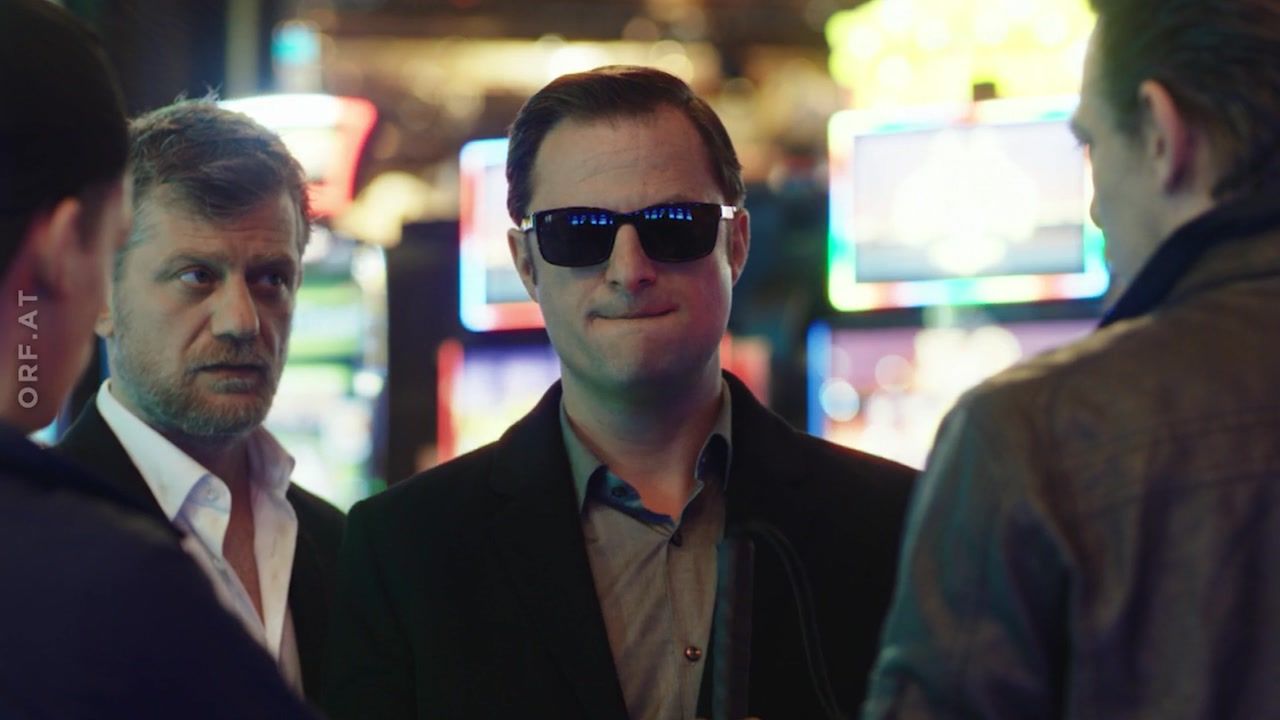
The central encounter brings Peter Ketnath’s investigator Joachim Stoll face to face with Kurt Kramer, played by Wanja Götz, inside a fenced ring. A separate opening fight features Götz and Mathis Landwehr. Behind both encounters was a team Fischer assembled, a physical performance he prepared and an action sequence he developed for the camera.
Building the team. Preparing the actor.
Fischer selected, booked and paid Wanja Götz and Mathis Landwehr. They worked for him as members of his stunt team, under his direction. Their involvement came through Fischer and formed part of the action process he led for the production.
That responsibility started with the people who would carry the scene. The main encounter required Peter Ketnath to inhabit the physical world of a boxer while continuing to play Stoll. Fischer arranged and led his preparation through his own connections with boxing instructors, working in a real boxing school and an actual ring.
The training gave the actor a practical foundation for the screen performance. His boxing preparation and the choreography were connected to the specific demands of the scene.
Actor preparation, stunt casting and choreography belonged to one creative process. Fischer brought them together so that the eventual action could serve the character, the performers and the production.
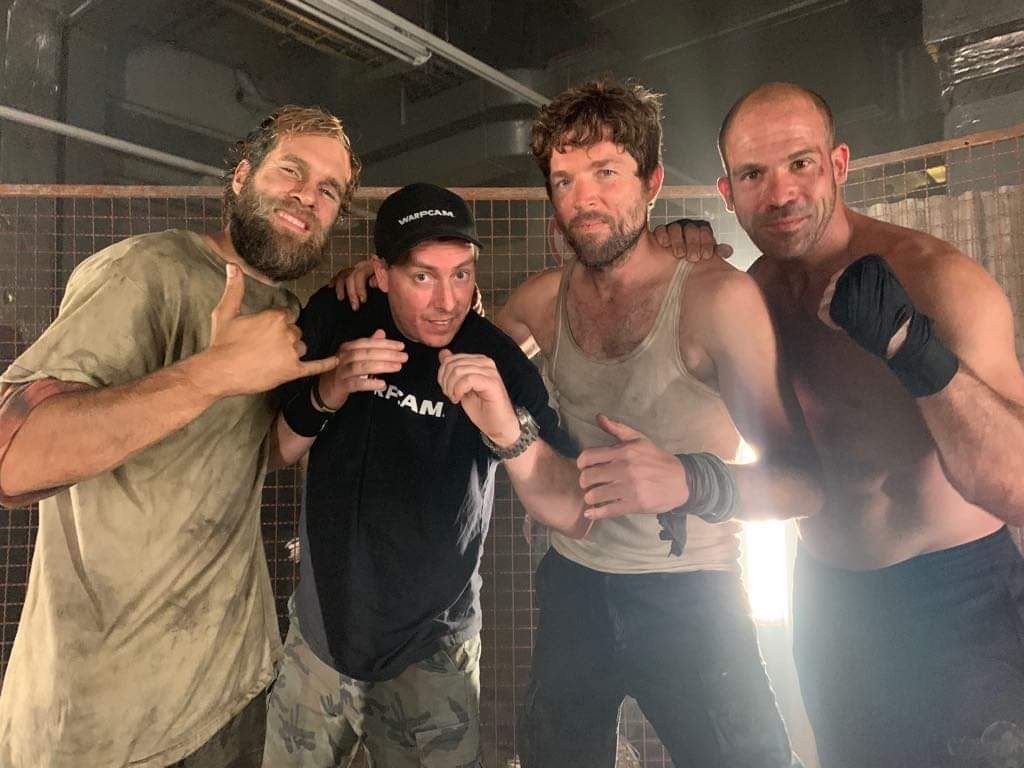
Berlin — Choreography becomes a filmable idea
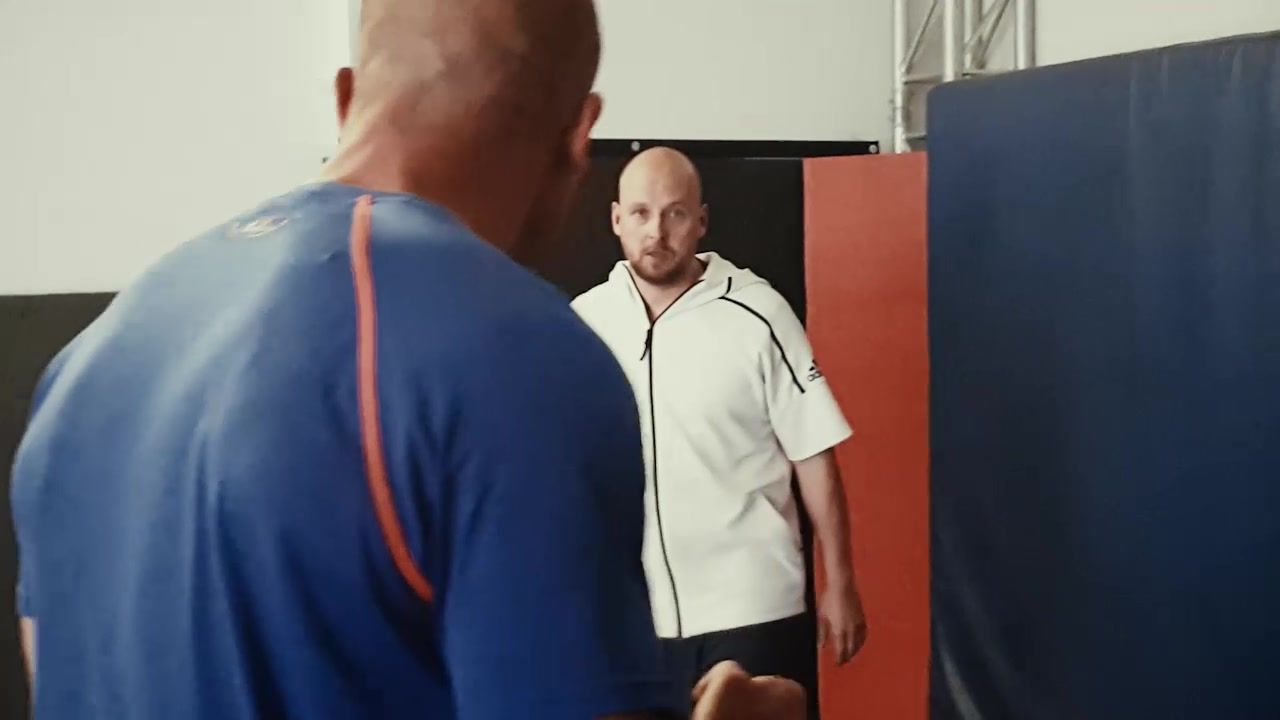
The Berlin rehearsal took place on 2 July 2019. Fischer developed the fight choreography and brought his own camera operator, Ulrik Bruchholz, into the preparation. Together, they filmed the action; Fischer also developed the previs through the edit. The main fight previs was sent to the production on 8 July.
This was a complete filmed and edited proposal for the action. It already contained choices about image size, viewpoint, progression and rhythm. The camera and the cut were part of the development from the beginning.
That is the value of previs for a continuing television production: it gives the production, camera department and performers something concrete to assess. The proposed encounter can be watched as a sequence. Its spatial relationships and dramatic progression are visible before the shooting day.
The surviving files preserve two distinct pieces of that preparation: a main-fight previs of approximately 71 seconds and a separate opening-fight previs of approximately 22 seconds. Both were filmed in a padded rehearsal space. Their purpose was to give the action a visual form that the production could work from.
Main-fight previs
1:11Opening-fight previs
0:22From previs to set to screen
Taking the action onto the set
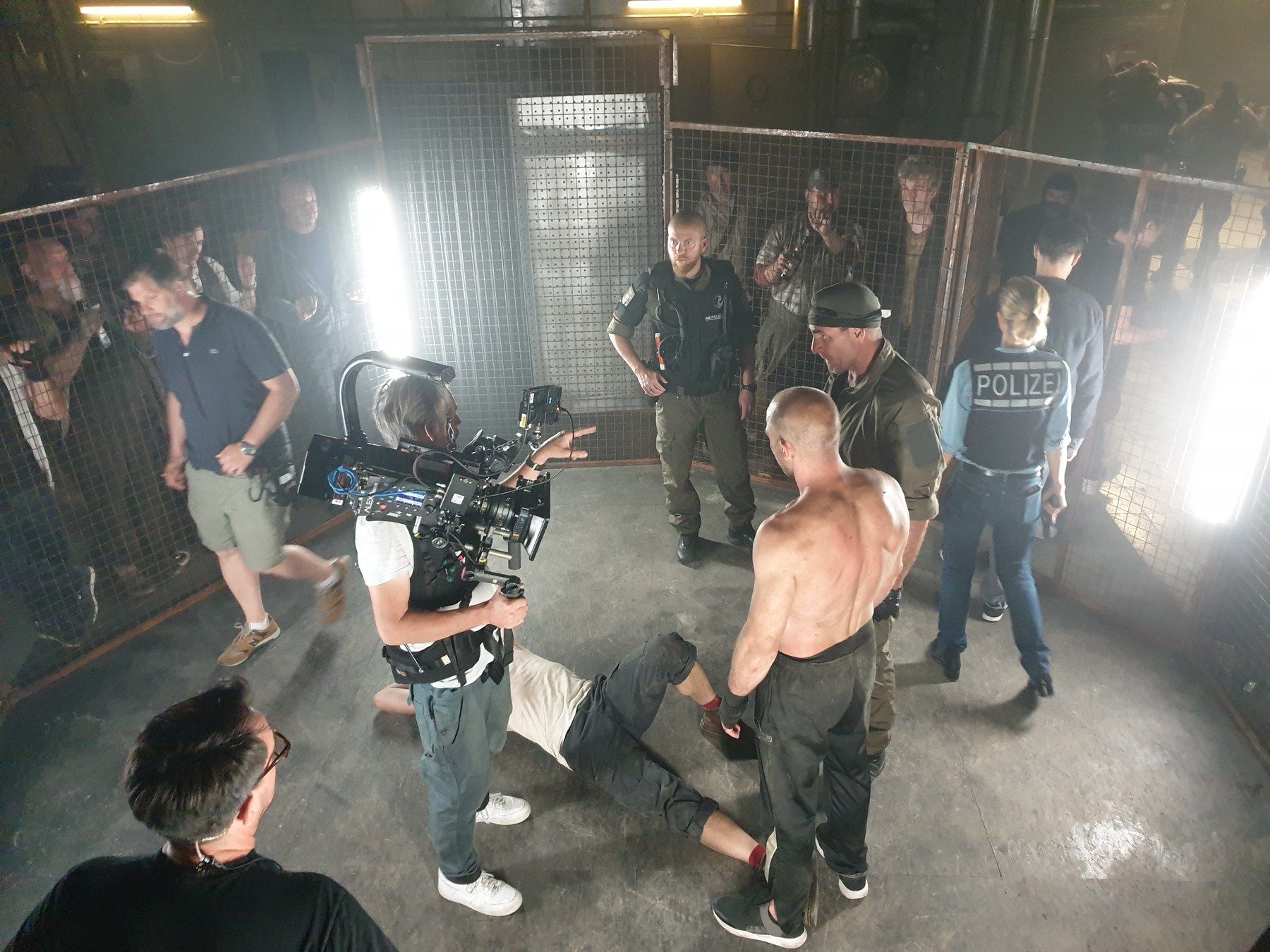
The fight scenes were filmed on 17 July 2019. Fischer directed the action on set, carrying the preparation into the episode’s production and working with the camera and production departments.
The final environment was a fenced, hexagonal ring in an industrial cellar. Compared with the open rehearsal space, it introduced a distinct visual structure: mesh in the foreground, spectators around the perimeter and a confined area for the encounter. The action had to read within that composition.
The behind-the-scenes photographs bring that relationship into view. Performers and camera occupy the same working space; the prepared movement has to become a usable image. Fischer’s responsibility continued through that translation, connecting the action’s design with its performance and direction during the shoot.
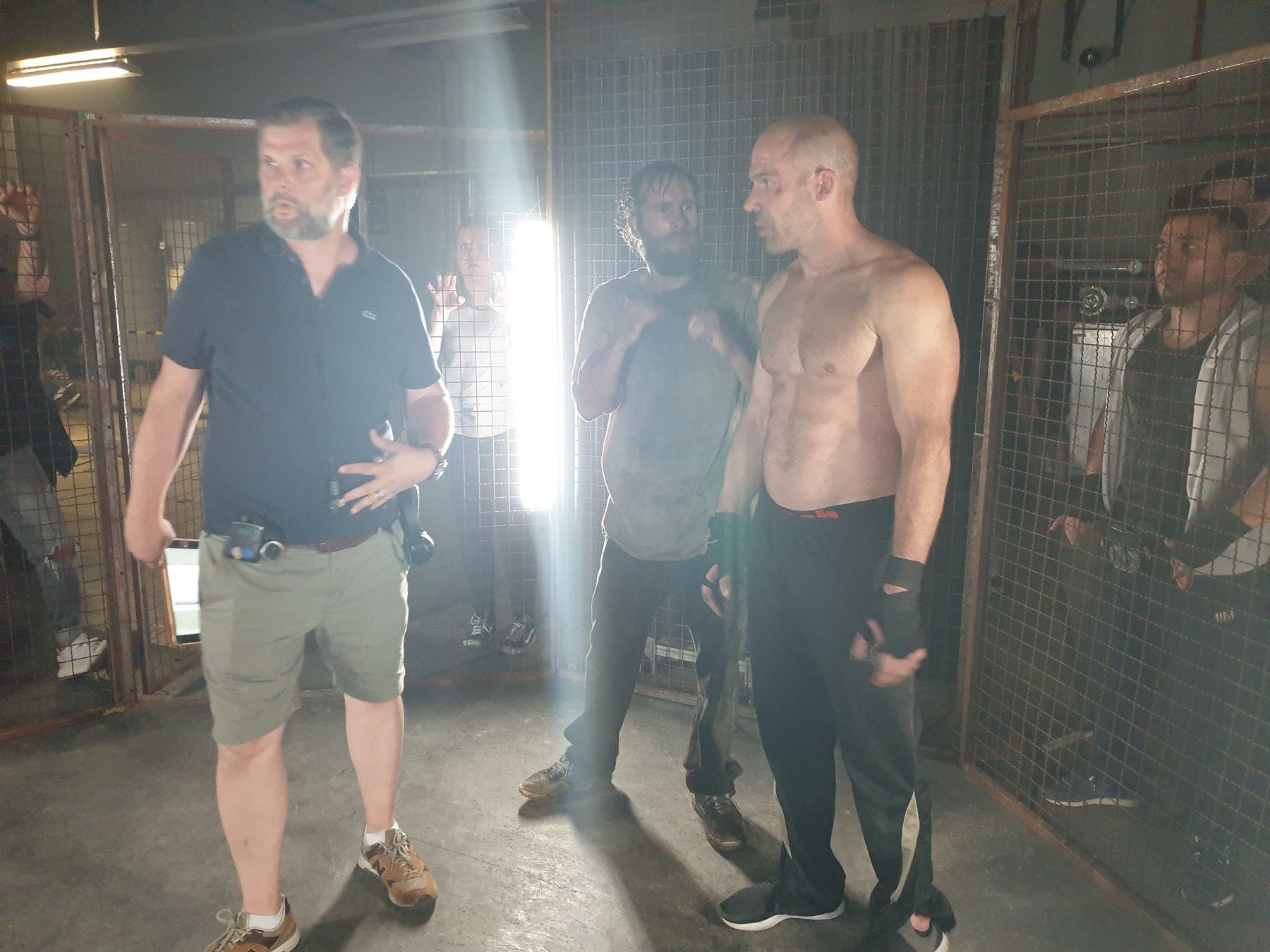
Behind the scenes
0:18What reaches the screen
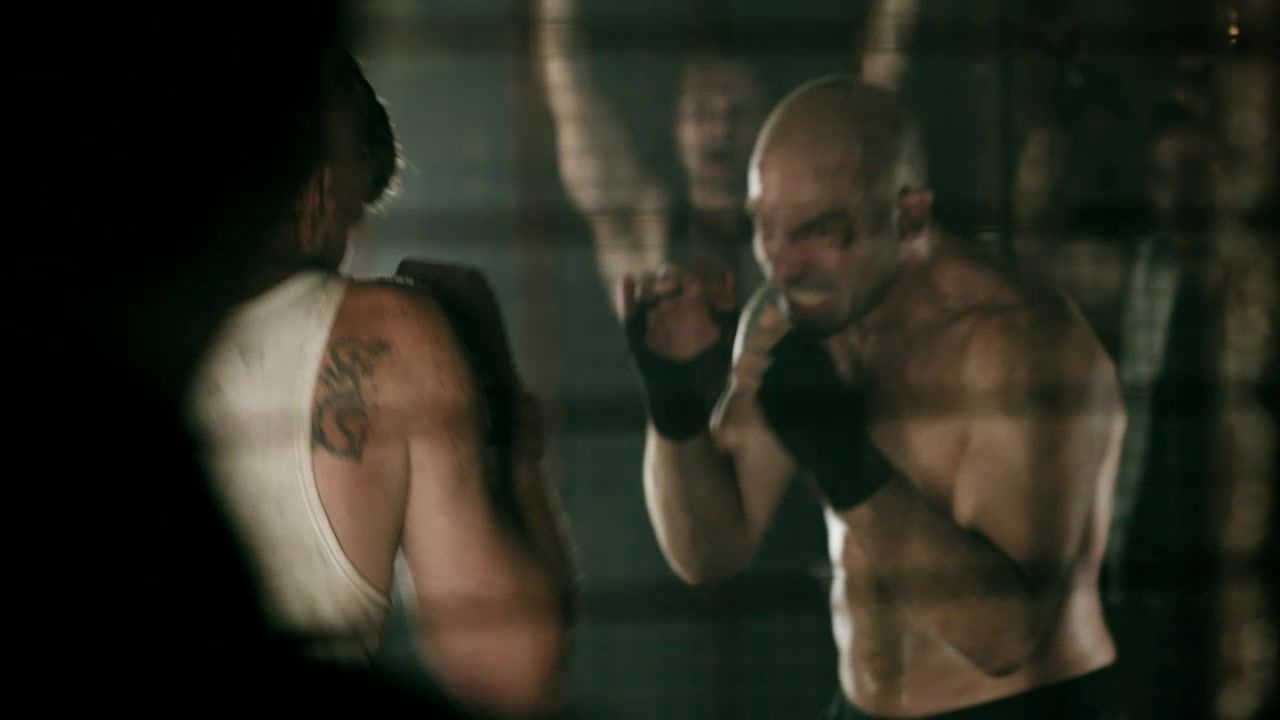
The finished excerpt runs approximately five minutes and twenty seconds. It includes the opening encounter, connecting dialogue and the principal fight. This is action integrated into a dramatic scene: the audience’s attention moves between the people around the ring and the confrontation inside it.
The footage makes the development process visible. The previs establishes the proposed action in a clear rehearsal environment; the finished scene places it inside the visual world of SOKO Stuttgart. The comparison shows how performance, camera position, framing and editing contribute to the encounter the audience experiences.
The result is a concrete example of action developed for an actor, a character and an existing television production. The same creative responsibility connects the team’s preparation to the action on the shooting day.
Finished scene excerpt
5:20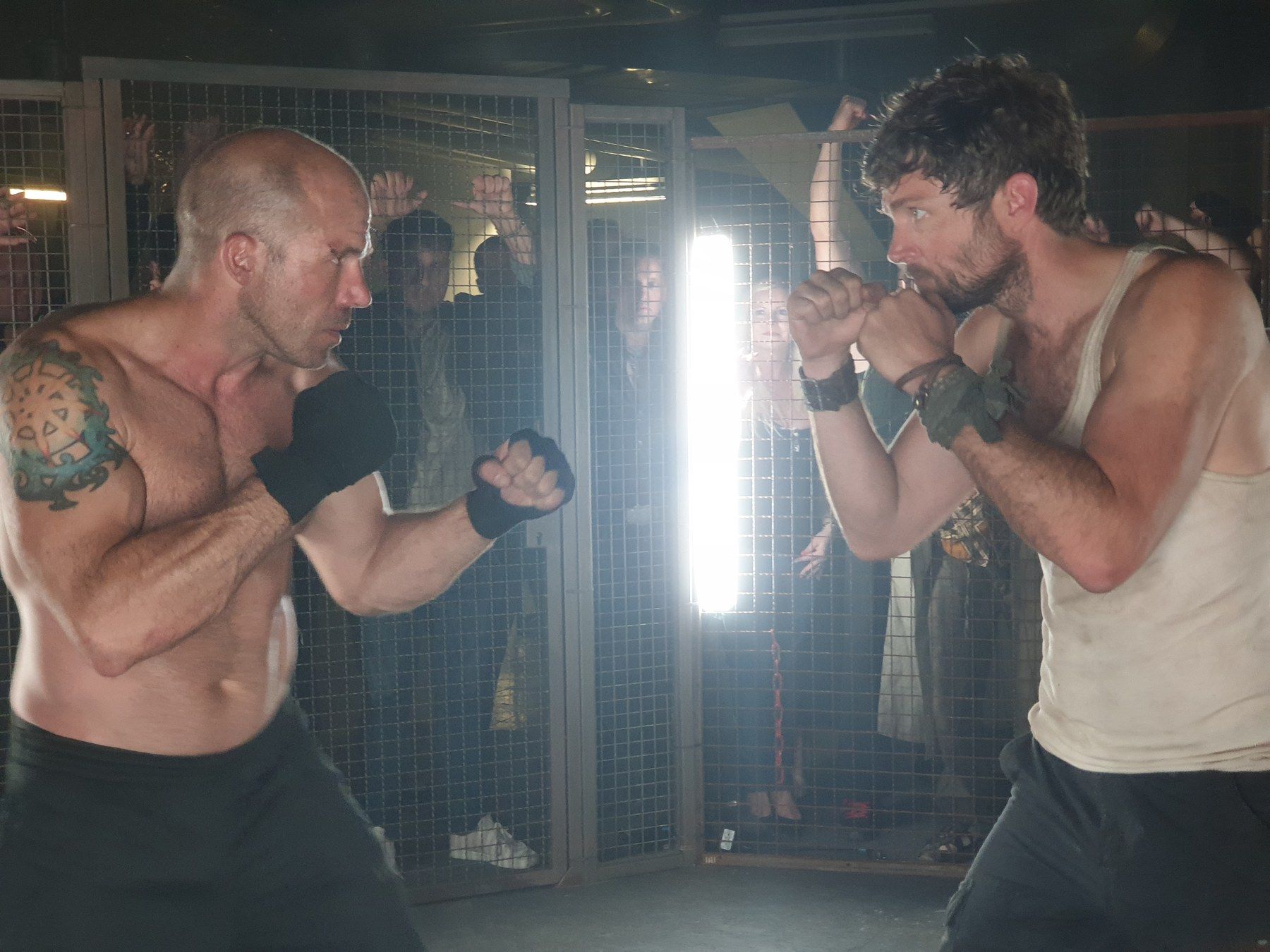
Action direction and stunt coordination
Stunt coordination has a substantial creative scope. The German Stunt Association’s professional descriptions include artistic scene development, movement, performer selection, leadership and filmed previews, alongside technical and safety responsibilities. Its description of action direction centres on the artistic and cinematic realisation of action scenes. The disciplines overlap.
The distinction becomes clear when the responsibility is considered across the whole project. Fischer assembled and led his team, prepared the actor, created the choreography, developed the action with his own camera operator, filmed and edited the previs, and directed the action on set. That is a connected body of creative and directing work.
The responsibility was action direction combined with stunt coordination.
The previs is a particularly tangible part of that responsibility. It shows the action being shaped as cinema before the main shoot: performance is selected and organised through the camera and the edit. On set, Fischer then carried the prepared action into its filmed execution.
| Responsibility | Contribution |
|---|---|
| Team | Selected, booked, paid and directed Wanja Götz and Mathis Landwehr as members of his stunt team. |
| Actor preparation | Arranged and led Peter Ketnath’s boxing preparation through his network of instructors, in a real boxing school and ring. |
| Action design | Developed the choreography for the encounters and their progression as screen action. |
| Visual preparation | Filmed and edited the Berlin previs, working with his own camera operator Ulrik Bruchholz. |
| On-set direction | Directed the action during the shoot, working with the episode’s camera and production departments. |
The German television credit gap
In German television crime production, work of this breadth is often booked as stunt coordination without a separately designated action-direction role. That can leave a significant part of the job invisible: the person responsible for the action may also be developing its visual form and directing its performance on set.
The title attached to a booking can therefore be narrower than the responsibility being commissioned. When a production asks for the action to be conceived, prepared, filmed as previs and directed during the shoot, that directing work needs to be named.
This case makes the distinction concrete. Fischer’s stunt coordination remained essential throughout; his creative responsibility also extended to the design and direction of the action as a screen sequence. The accurate description is Action Direction & Stunt Coordination.
Credits and role descriptions should reflect the scope of the work. Recognising action direction alongside stunt coordination makes the authorship of the sequence visible and gives productions a clearer understanding of what they are commissioning.
One action process. Creative responsibility throughout.
Team, actor, choreography, camera and set direction were connected from the start. “Runde 12” makes that process visible — and gives the action direction behind it a clear name.
All case studiesAction Team & Production
- Action Direction & Stunt Coordination
- Ferdi Fischer / SlamArtist.com
- Choreography, Previs Direction & Edit
- Ferdi Fischer
- Ferdi Fischer / SlamArtist.com Stunt Team
- Wanja Götz · Mathis Landwehr
- Previs Camera
- Ulrik Bruchholz
- Principal Actor
- Peter Ketnath — Joachim Stoll
- Cinematographer
- Stefan Ditner
- Writers
- Regina Dietl · Antoine Dengler
- Production
- Bavaria Fiction
- Broadcaster
- ZDF
- Episode
- SOKO Stuttgart — “Runde 12”
- Episode Director
- Daniel Rübesam