Directing Action Through Sensory Perception
A stylized one-taker combining sensory storytelling, physical comedy and cinematic fight choreography.
THE CREATIVE ASSIGNMENT
How do you direct a fight for a character who cannot see?
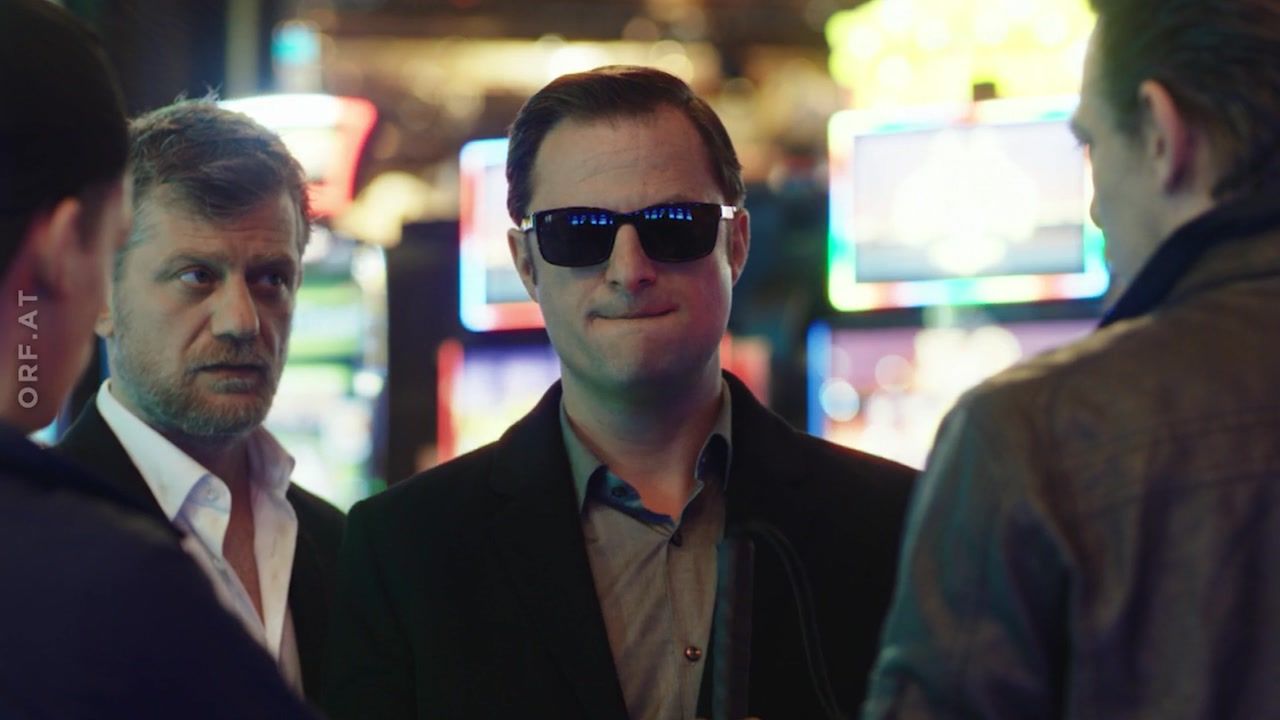
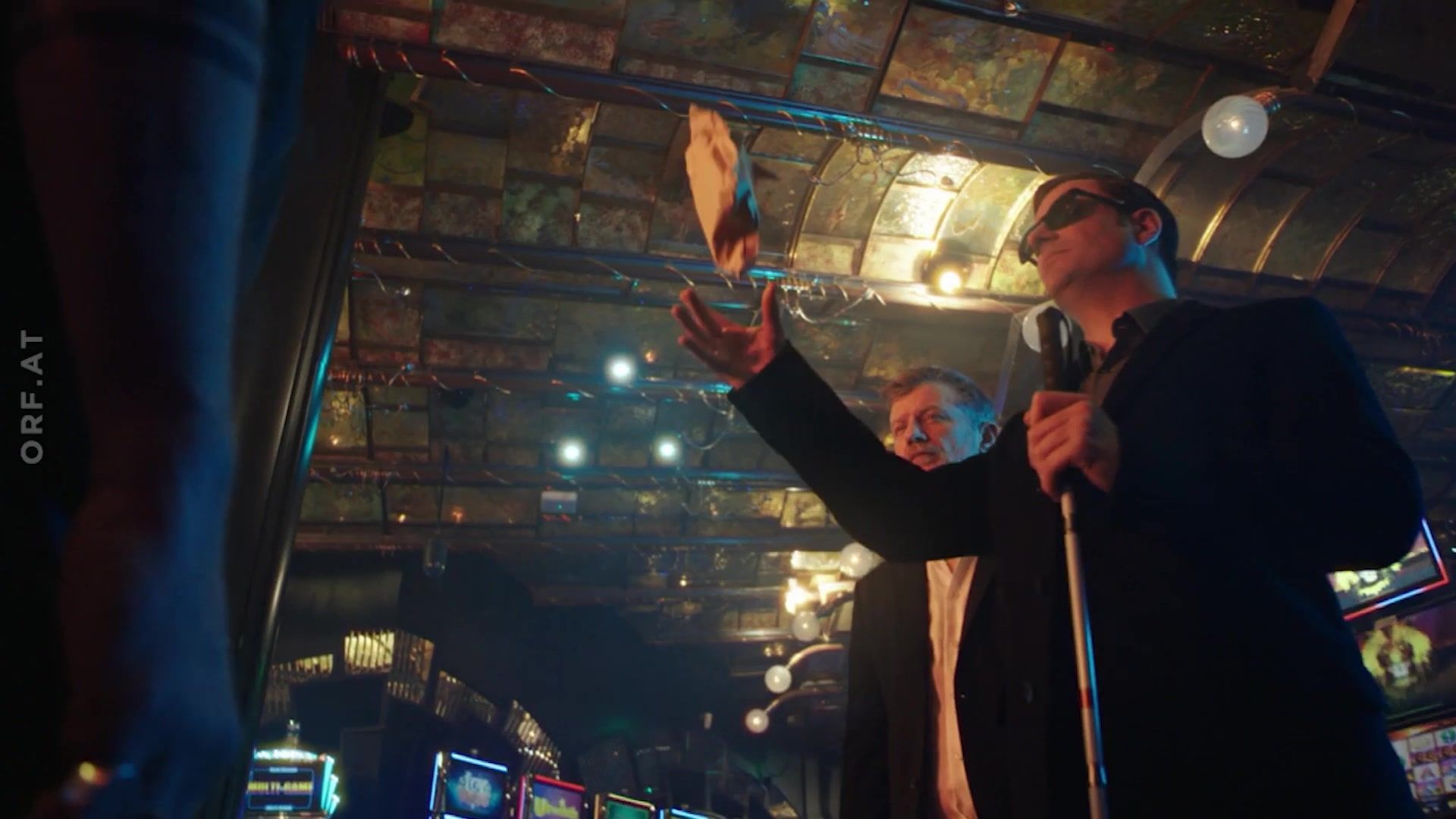
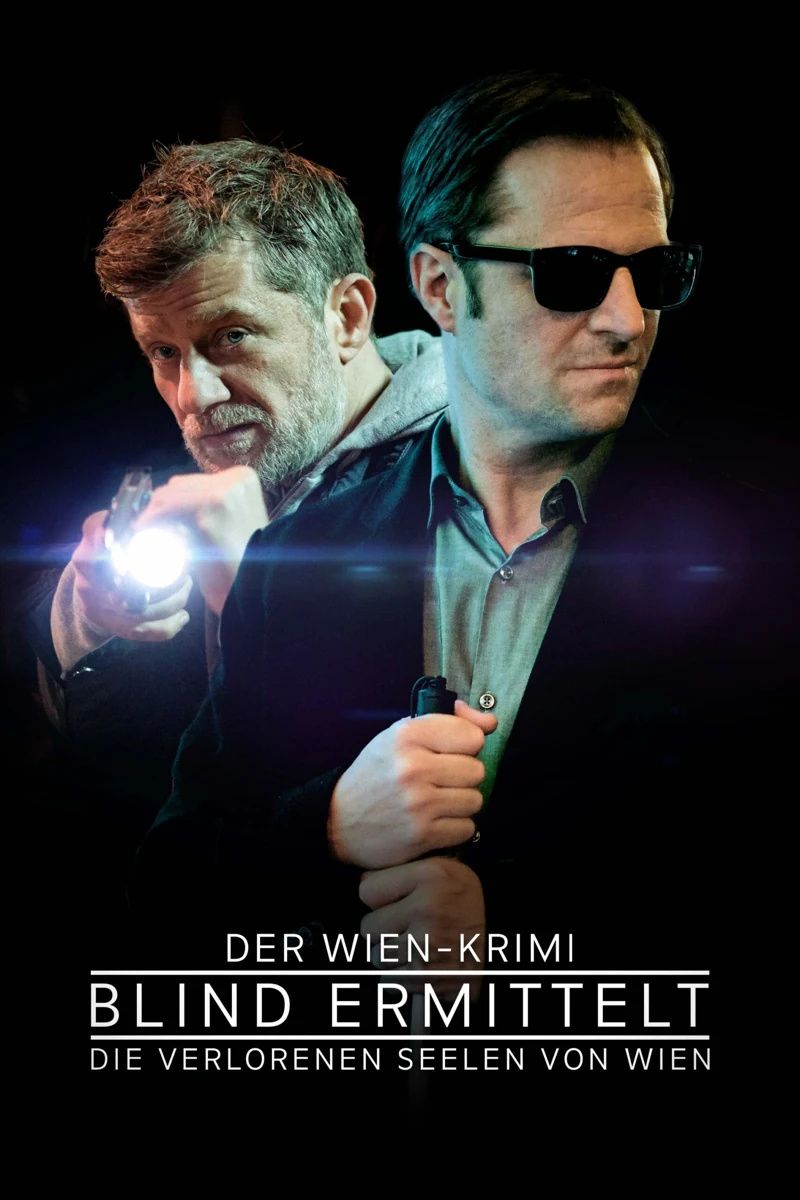
For Blind ermittelt – Blutsbande, director Jano Ben Chaabane and cinematographer Tobias Koppe approached Ferdi Fischer to develop the film's casino fight.
The assignment was not to create a conventionally realistic confrontation. It was to develop an exaggerated, highly stylized action sequence built around the extraordinary perception of its blind protagonist, Alexander Haller, played by Philipp Hochmair.
The fight needed to communicate Haller's overwhelming superiority while deliberately embracing physical comedy, visual exaggeration and an element of slapstick.
The challenge was to combine these qualities within a coherent cinematic language.
Action choreography, camera movement, actor performance and visual timing had to become part of the same directorial concept.
Watch the Casino Fight
CHARACTER-DRIVEN ACTION
The action begins with the character.
Alexander Haller experiences his surroundings through a different sensory perspective. The sequence uses this fictional character's heightened perception as the foundation of its visual language.
Rather than treating his blindness as an obstacle to a conventional fight sequence, the direction makes his unique perception the defining element of the scene.
The contrast between Haller's apparent vulnerability and his extraordinary control creates the dramatic and comedic premise of the confrontation.
VISUALIZING THE INVISIBLE
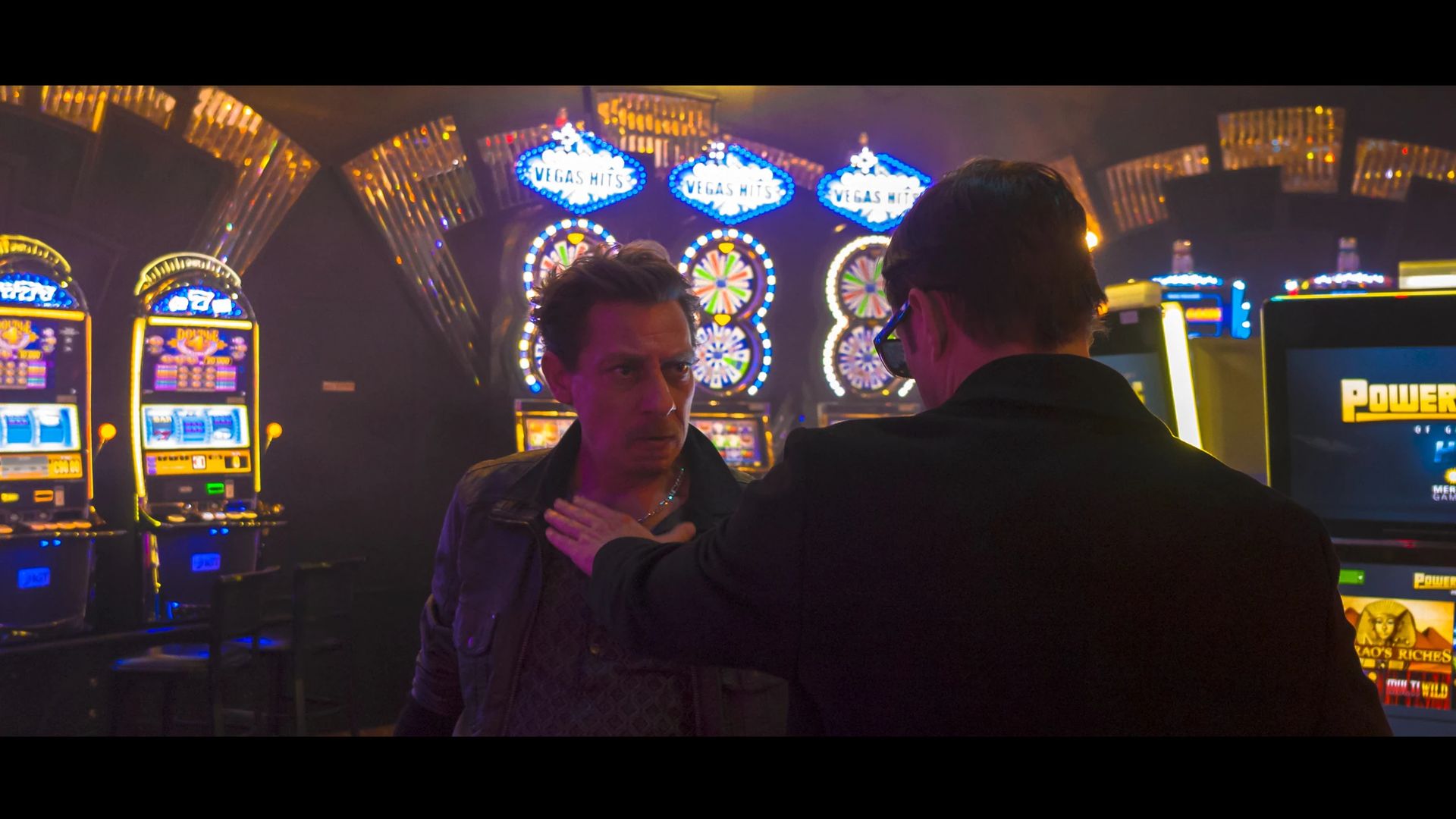
The audience can see the environment. Alexander Haller experiences it differently.
The directorial challenge was to translate this difference into cinematic information.
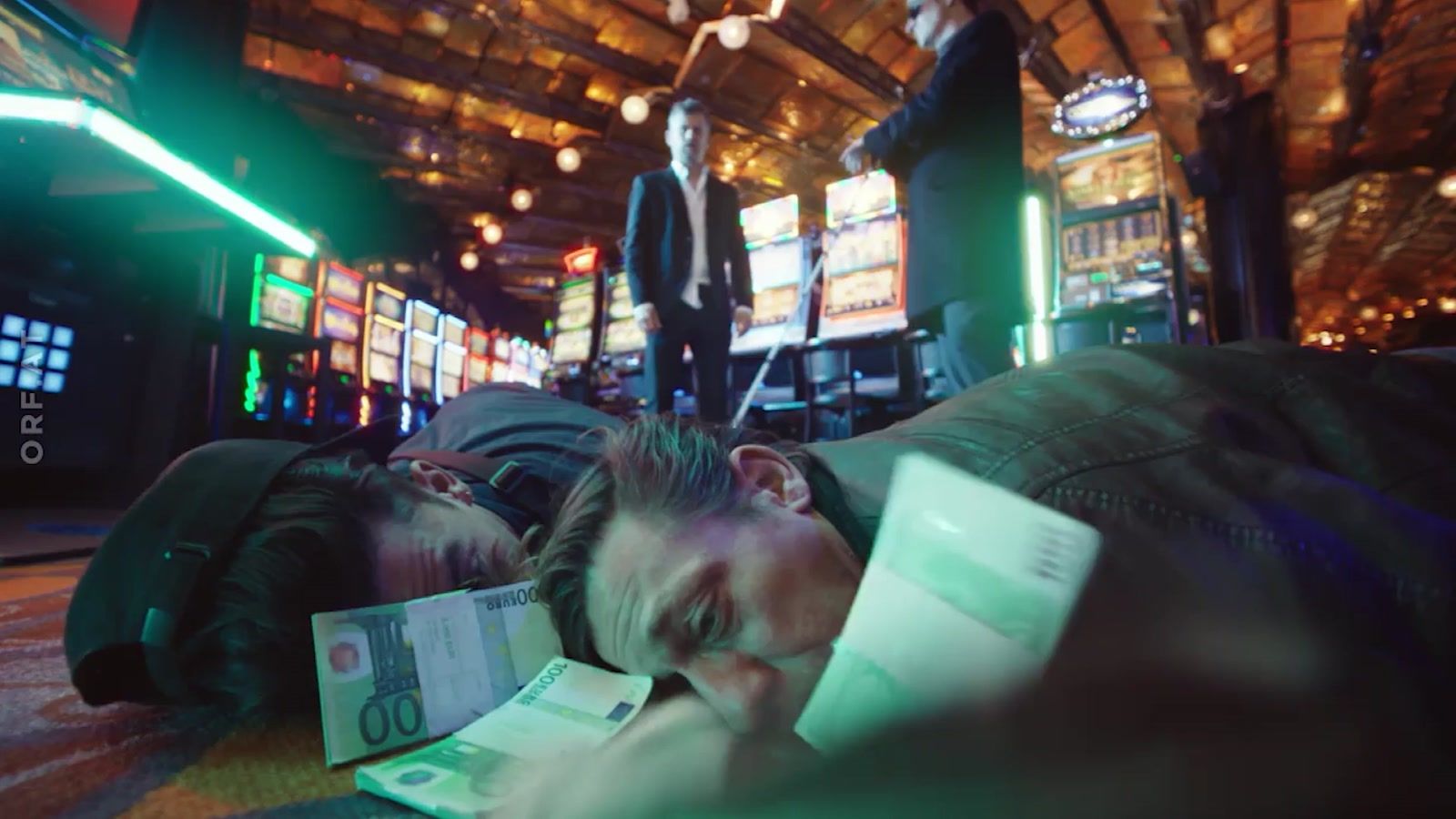
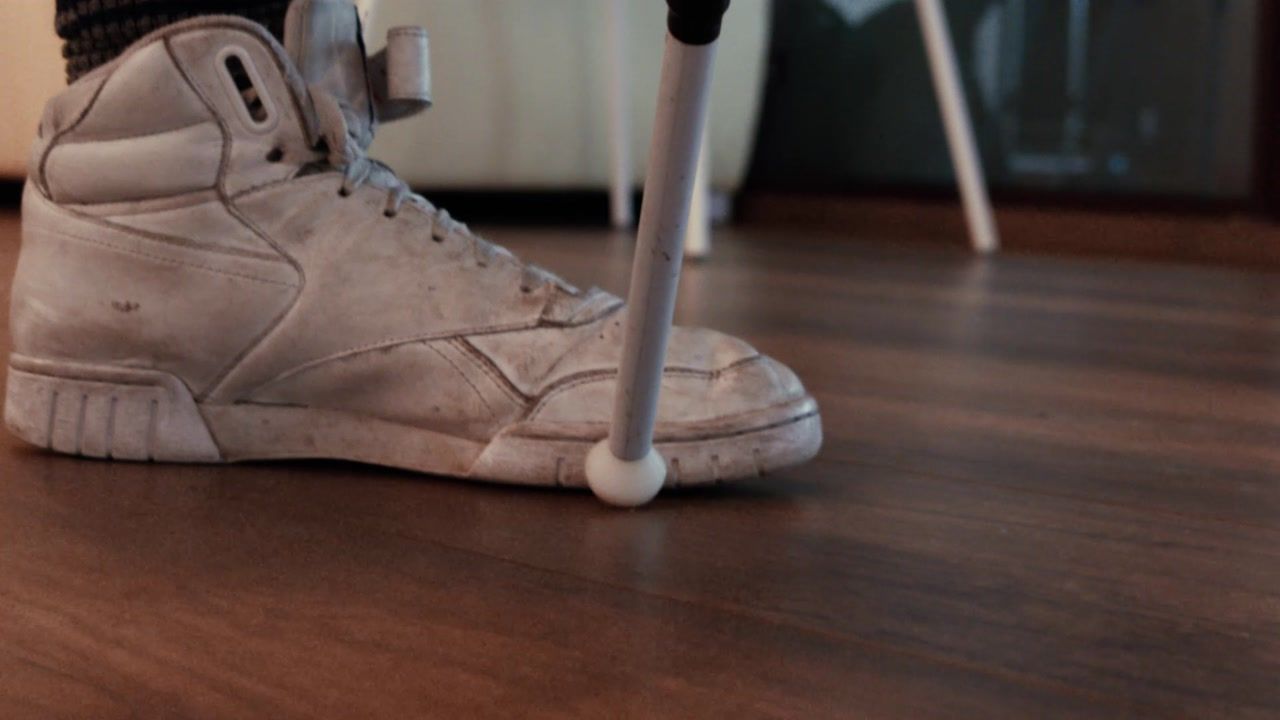
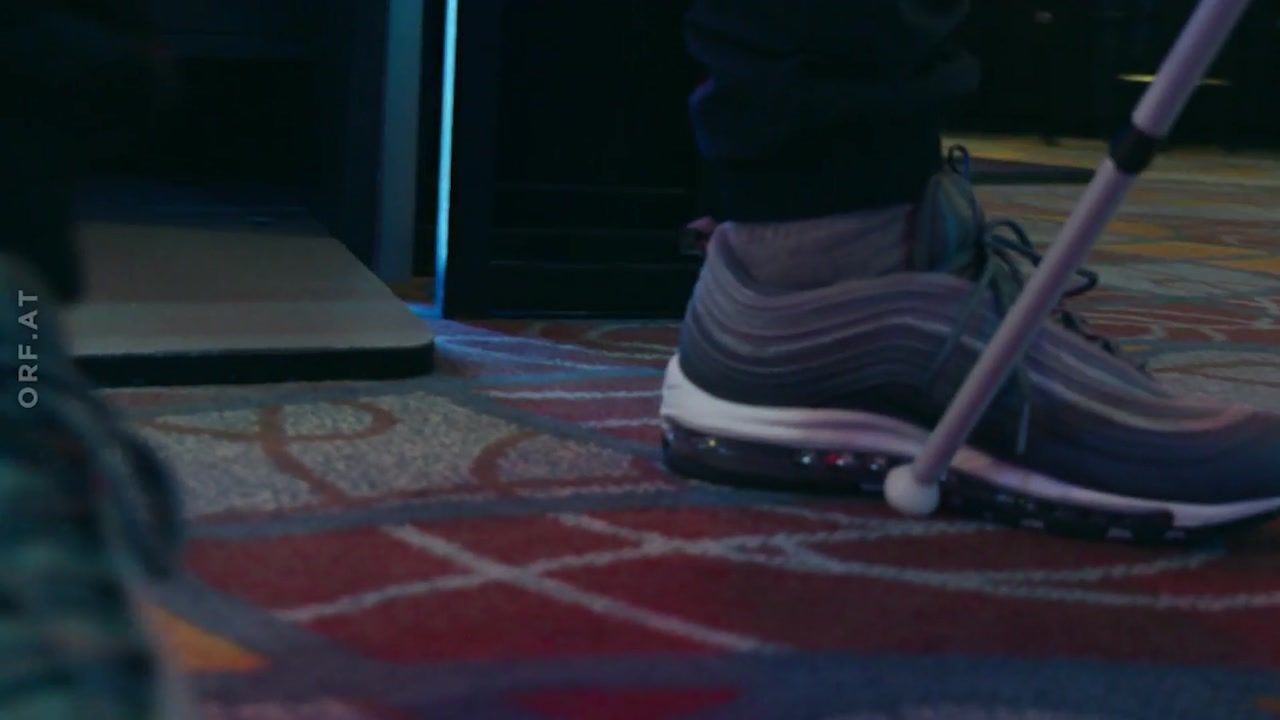
Small, precisely placed close-ups were integrated into the One-Taker approach, allowing the camera to emphasize sensory details and reactions without abandoning the continuous visual flow.
These visual accents help the audience understand the character's extraordinary awareness through the language of cinema.
The camera becomes more than an observer of physical action. It becomes an active part of the storytelling.
ACTION MEETS SLAPSTICK
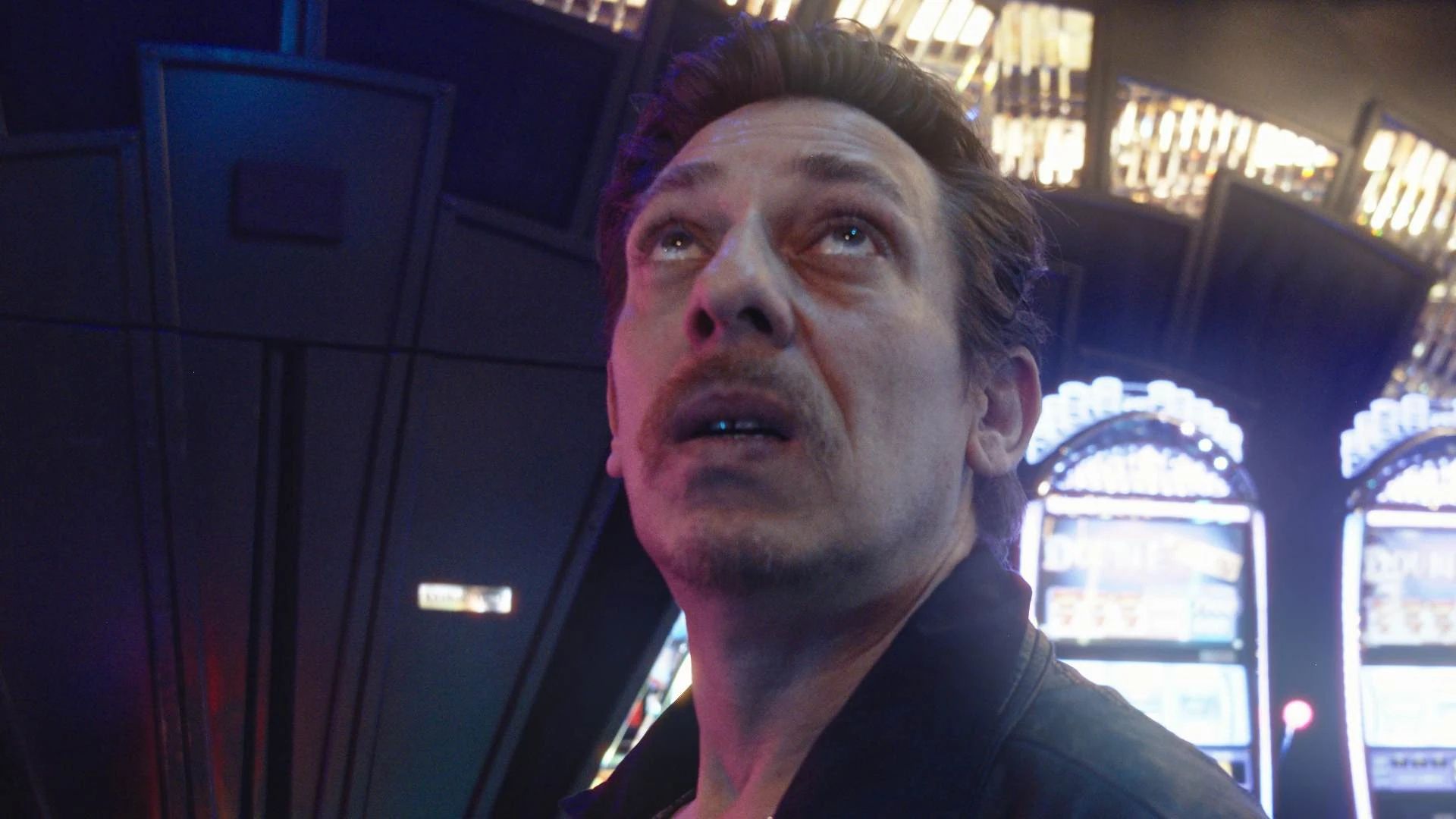
Not every fight needs to be realistic.
The Casino Fight was deliberately designed to be exaggerated, playful and visually expressive.
Its humor emerges from timing, contrast and the remarkable imbalance between the characters.
The action is not intended to take itself entirely seriously.
The challenge was to maintain the visual impact of cinematic action while introducing the lightness and precision associated with physical comedy.
This is a different directorial discipline from staging a brutal or grounded fight.
The tone of the sequence determines its rhythm, performance and camera language.
EDITING WITHIN THE SHOT
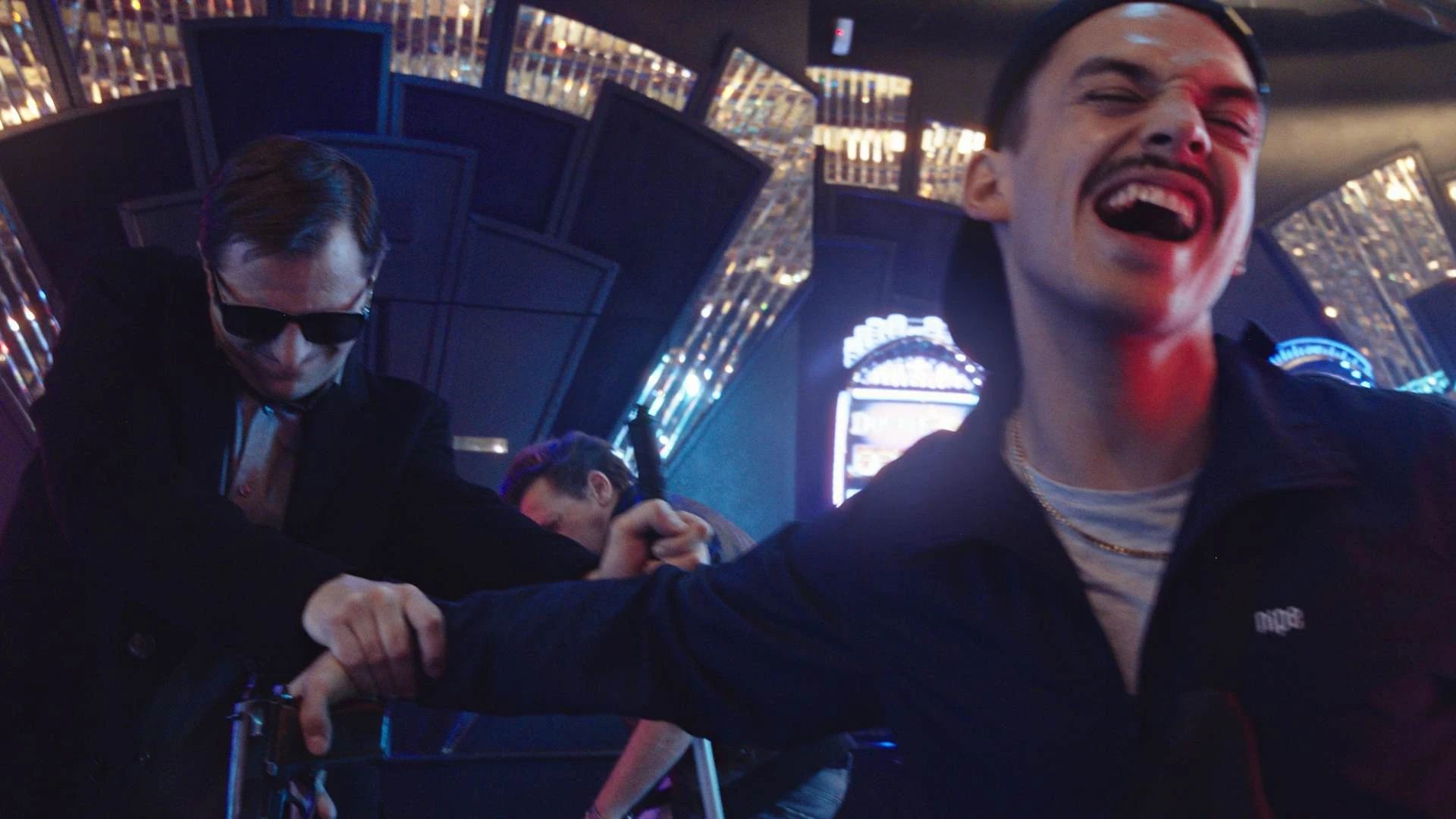
The One-Taker concept was not simply about making a shot last longer.
It was about integrating different visual functions into a continuous camera performance.
Wider compositions establish the action, while smaller close-ups introduce specific visual accents.
The camera movement provides transitions between these different perspectives, combining elements traditionally distributed across separate shots.
The objective was to create a sequence that feels continuous while retaining the expressive qualities of cinematic coverage.
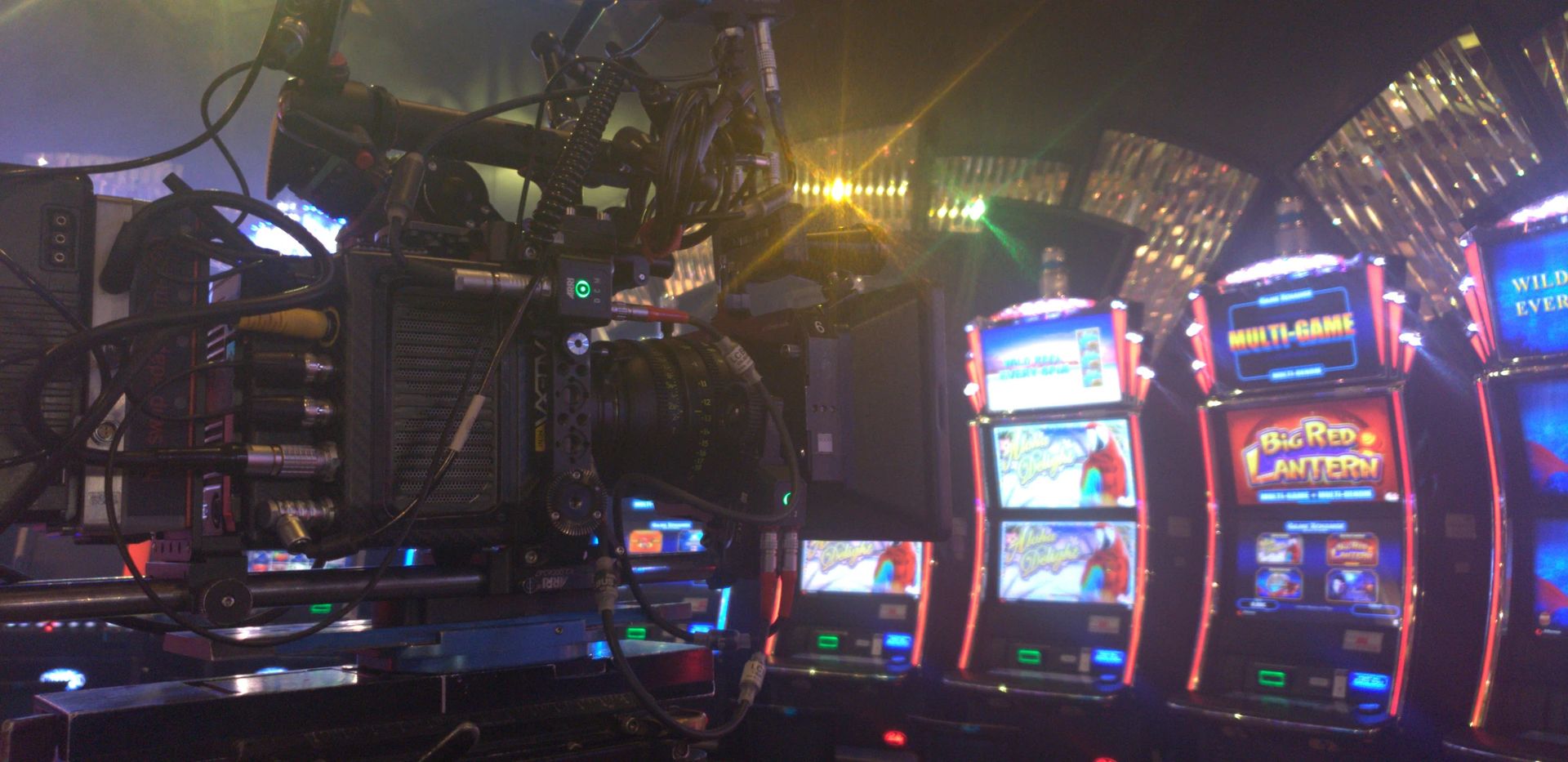
WarpCam® provided the camera platform for this approach.
The technology served the directorial idea, rather than determining it.
FROM PREVIS TO FINAL
The development of a cinematic idea.
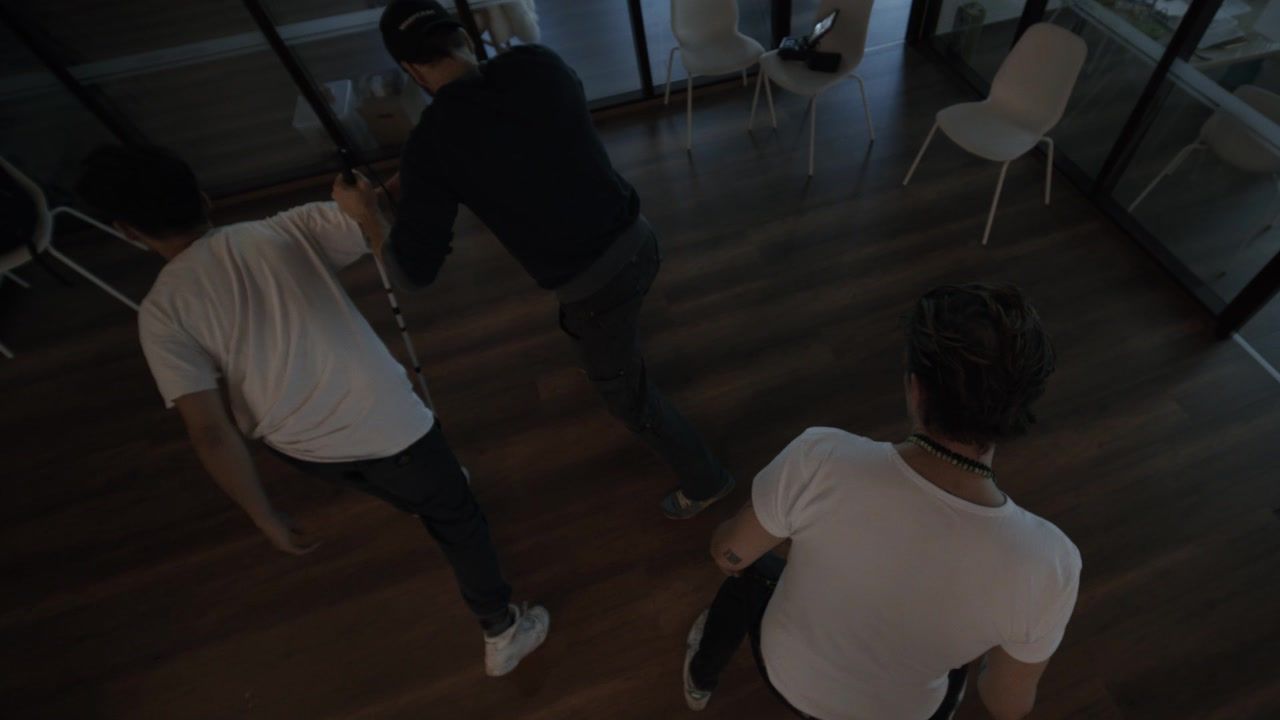
The creative process began before the actual shooting day.
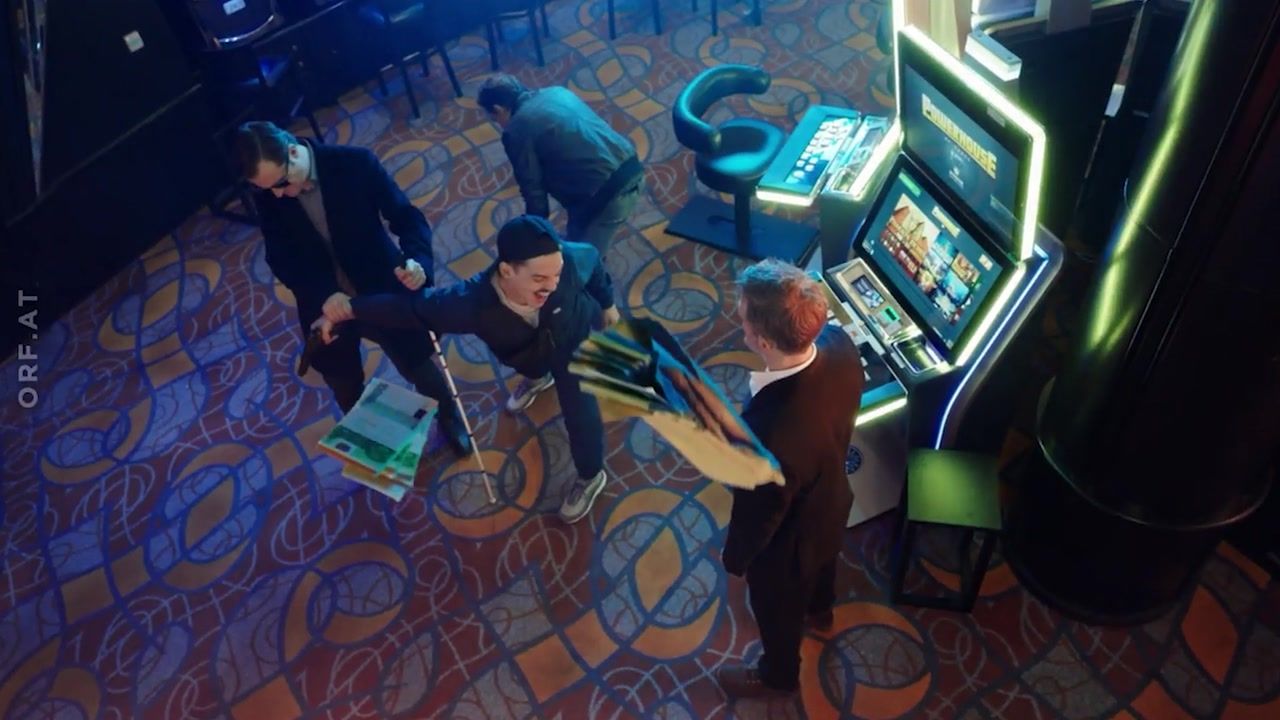
The original Previs was developed to explore the relationship between fight choreography, camera movement, performance and the deliberately stylized tone of the sequence.
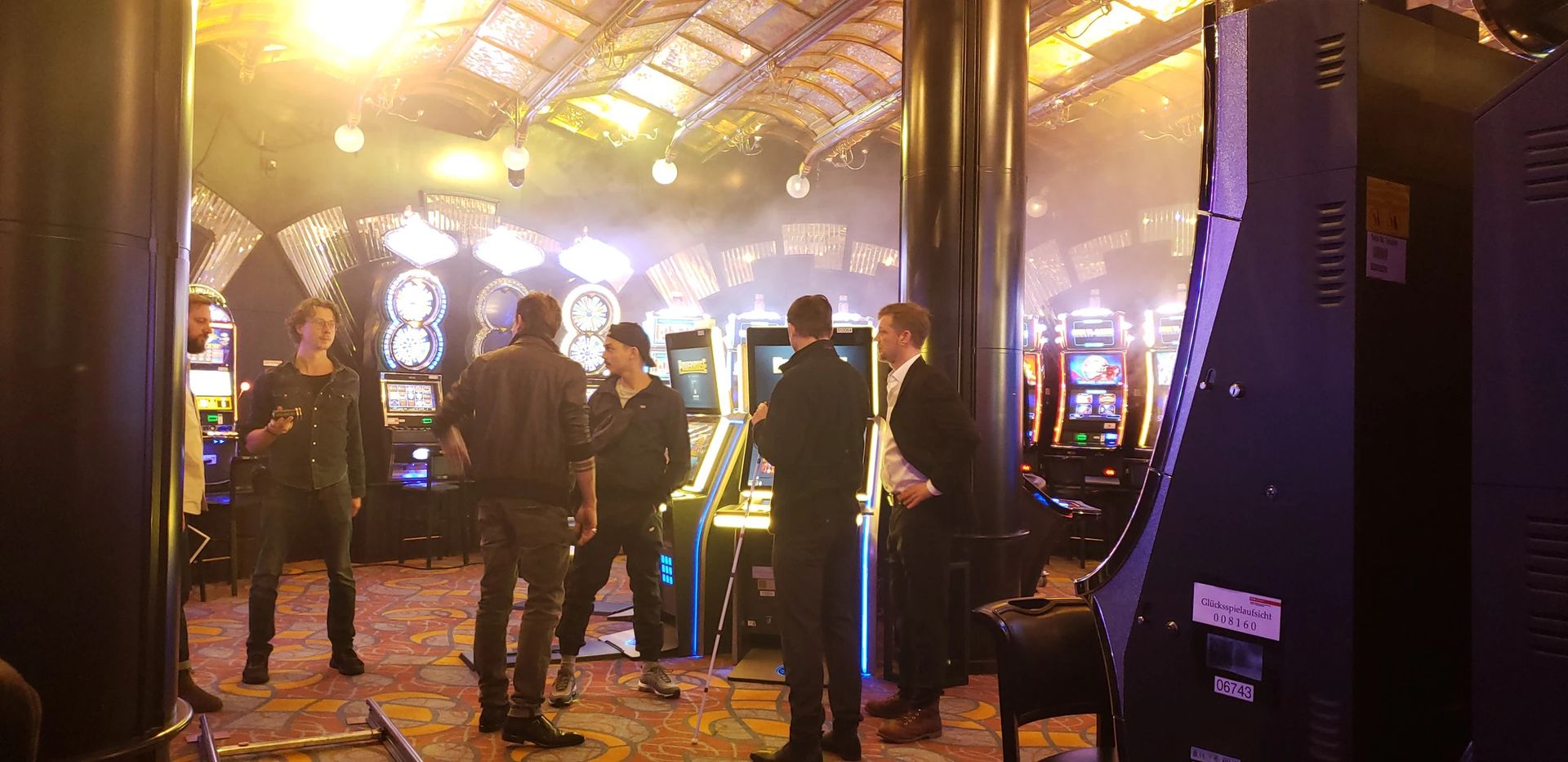
The rehearsals took place on 17 March 2019, followed by the shoot at Casino Baden on 18 March.
Ferdi Fischer led the WarpCam® Action Unit, working with Fight Choreographer Mathis Landwehr and team member Daniel Leavitt.
The original Previs and completed sequence provide an opportunity to examine how the directorial concept translated into the finished material.
Original previsualization
Casino fight · Broadcast sequence with WarpCam® titles
BEYOND THE SHOOT
The creative work extended into the editorial and post-production process.
Alternative versions of the action sequence were developed and reviewed in collaboration with the production and cinematography teams.
Ferdi Fischer was directly involved in the sequence's editorial development, rendering and technical delivery to The Grand Post.
The original production correspondence documents the preparation of multiple versions and a 16-bit EXR delivery workflow.
The project illustrates an approach to Action Direction that connects creative development, rehearsal, cinematography and the editorial requirements of the finished production.
THE DIRECTORIAL PRINCIPLE
Action is not a genre of movement.
It is a language of character, perspective, rhythm and emotion.
The same physical confrontation can become a completely different cinematic experience depending on how it is directed.
The Casino Fight demonstrates the value of designing action around the specific narrative and stylistic needs of a film.
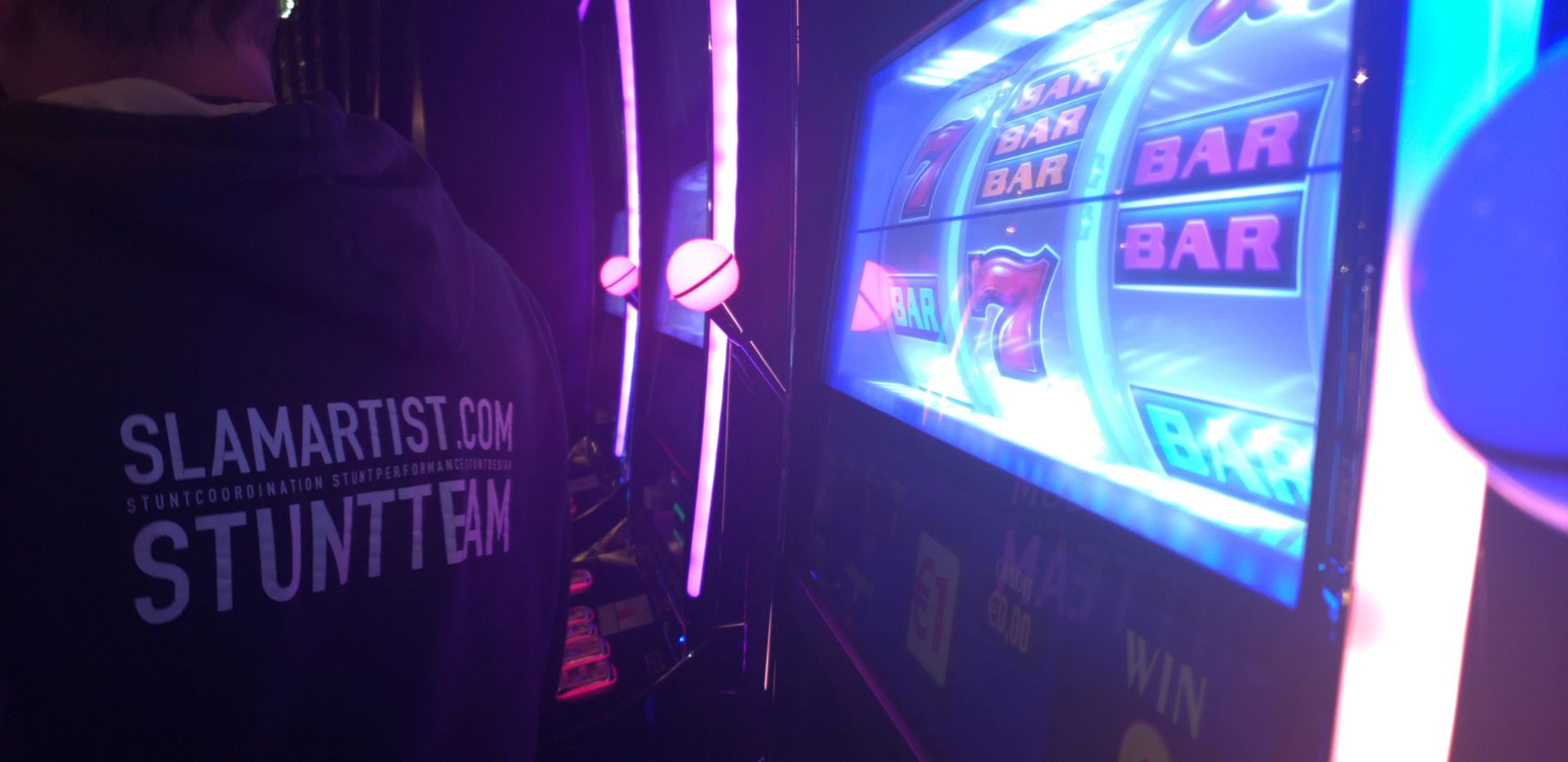
Behind the scenes
CREATIVE COLLABORATION
Directed for the film by Jano Ben Chaabane, with cinematography by Tobias Koppe.
Casino Fight Action Direction by Ferdi Fischer, working with Mathis Landwehr, Daniel Leavitt and the WarpCam® Action Unit.
Featuring Philipp Hochmair, Andreas Guenther, Milton Welsh and Jasper Engelhardt.
Film and broadcast
- Original Austrian title
- Blind ermittelt – Blutsbande
- German broadcast title
- Blind ermittelt – Die verlorenen Seelen von Wien
- Series
- Blind ermittelt / Der Wien-Krimi
- Production
- 2019 · Austria / Germany · Crime thriller for television
- Rehearsal
- 17 March 2019
- Casino shoot
- 18 March 2019 · Casino Baden, Baden bei Wien, Austria
- Austrian premiere
- 2 December 2019 · ORF 1
- German premiere
- 27 February 2020 · Das Erste
PRODUCTION & TEAM CREDITS
Action Direction · The Casino Fight
- Action Director · Casino Fight
- Ferdi Fischer
Ferdi Fischer’s WarpCam® Action Unit | SlamArtist.com
Ferdi Fischer led the WarpCam® Action Unit for the fight at Casino Baden.
- Action Unit Lead & WarpCam® Operator
- Ferdi Fischer
- Previsualization & sequence editing
- Ferdi Fischer
- Fight Choreographer
- Mathis Landwehr
- WarpCam® Action Unit crew
- Daniel Leavitt
Production & Filmmakers
- Director
- Jano Ben Chaabane
- Director of Photography
- Tobias Koppe
- Screenplay
- Ralph Werner
- Additional screenplay
- Jano Ben Chaabane
- Producers
- Thomas Hroch Gerald Podgornig
- Production Manager
- Louis Oellerer
- Production Coordinator
- Bianca Leutgab
- Heads of Production
- Alfred Strobl Kirsten Frehse (ARD Degeto)
- Film Editor
- Felix Rudek
- Music
- Tim Schwerdter
- Production companies
- Mona Film Produktion GmbH Tivoli Film Produktion GmbH
- Post-production collaboration
- The Grand Post
- Post-production · The Grand Post
- Marco Zinz Alexander Fischbacher
- Stunts · episode
- Jörg Hager
Casino Fight Cast
- Alexander Haller
- Philipp Hochmair
- Nikolai Falk
- Andreas Guenther
- Tim
- Milton Welsh
- Uli
- Jasper Engelhardt
Additional Film Cast
- Sophie Haller
- Patricia Aulitzky
- Laura Janda
- Jaschka Lämmert
- Caro
- Julia Franz Richter
- Adrian
- Sabin Tambrea
Commissioning, Broadcast & Funding
- Co-production & commissioning partners
- ARD Degeto ORF
- Broadcasters
- Das Erste ORF 1
- Production support
- Fernsehfonds Austria Filmfonds Wien