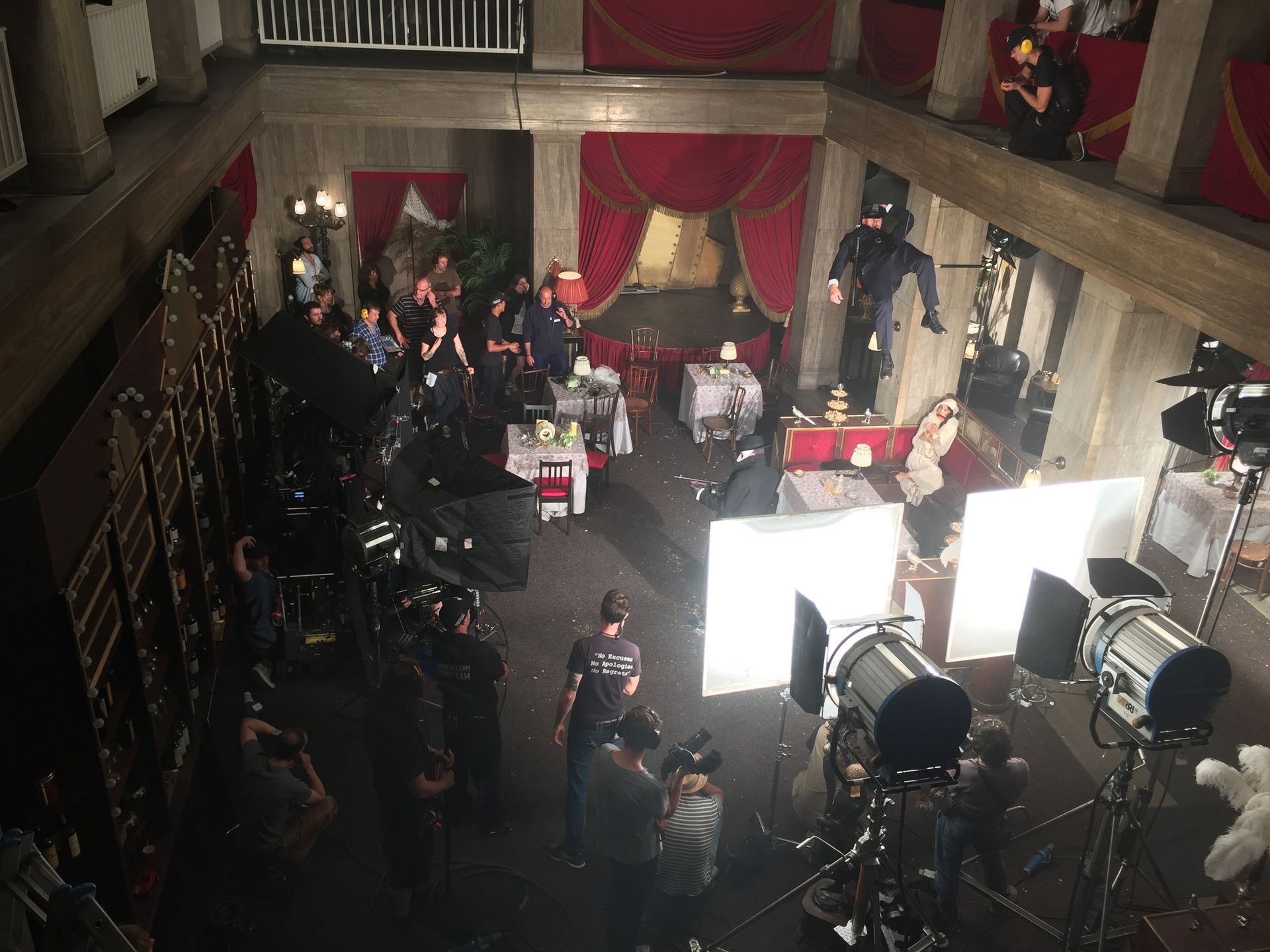
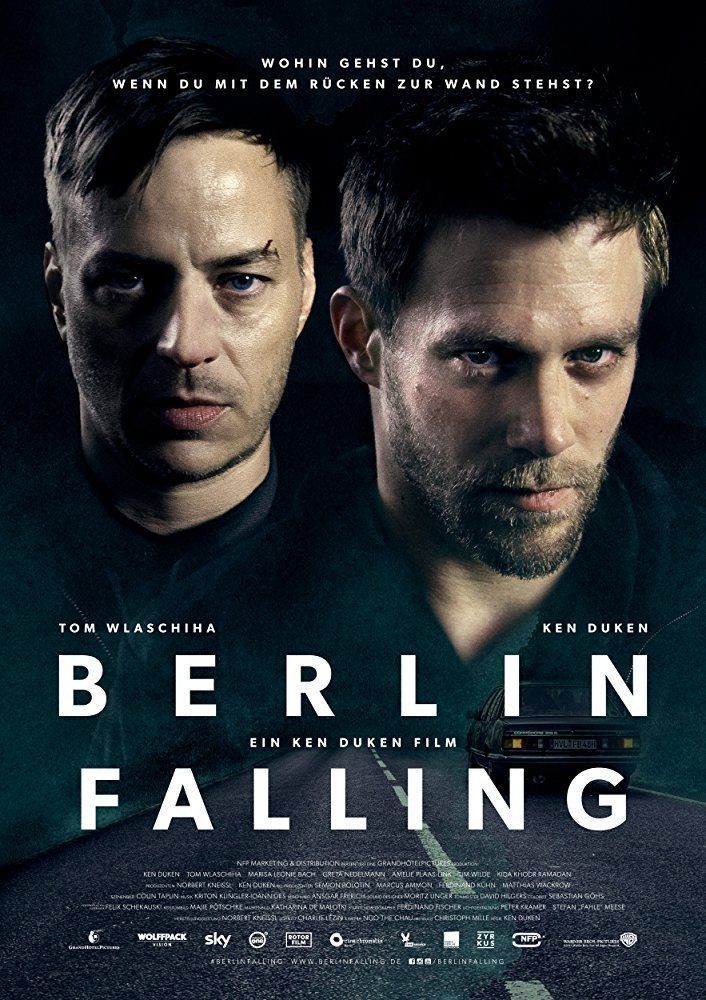
Action Director / Second Unit Director / Stunt Coordinator
- Director
- Ken Duken
- Director of Photography
- Ngo The Chau
- Starring
- Ken Duken, Tom Wlaschiha
- Production
- GrandHôtelPictures
WHEN ACTION CHANGES THE WAY WE EXPERIENCE A STORY
On Ken Duken's feature-film directorial debut, Berlin Falling, I worked as Action Director, Second Unit Director and Stunt Coordinator. My responsibilities also included action previsualization, action camera operation and editing of the film's action sequences.
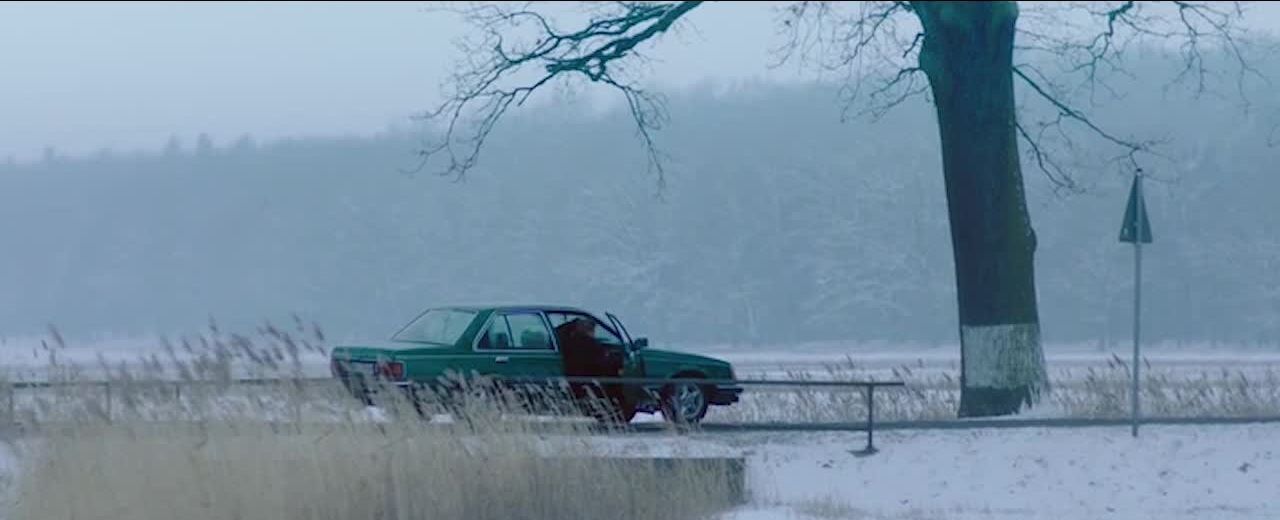
Berlin Falling is essentially a psychological chamber piece, with much of the story unfolding inside a vehicle.
This creates a unique relationship between the characters, their physical environment, the camera and the audience.
Two particular sequences illustrate how I approached action direction not simply as the execution of physical action, but as an integral part of the film's visual and narrative language.
The challenge was not simply to create action. It was to determine how the audience should experience it.
A CREATIVE COLLABORATION WITHOUT EGOS
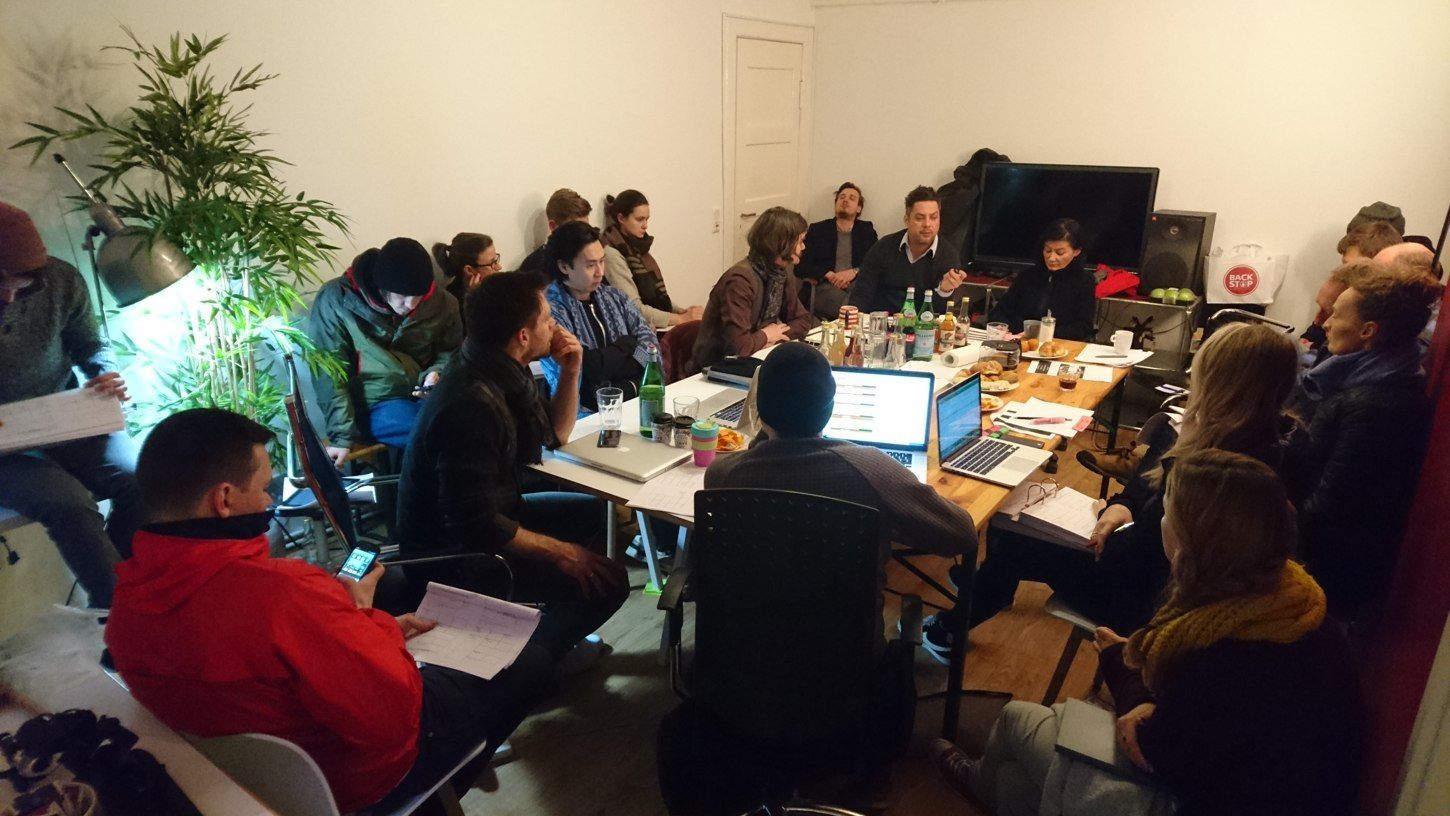
Ken Duken. Ngo The Chau. Ferdi Fischer.
Ken Duken and Director of Photography Ngo The Chau are both very good friends of mine.
The atmosphere throughout this production was exceptionally collaborative, almost like a family. There were no egos getting in the way of creative decisions.
Ideas could be discussed openly, developed together and translated directly into the filmmaking process.
Both of the key creative concepts presented in this case study originated from specific challenges within the film's narrative and production requirements.
I pitched my solutions to Ken and Chau, who immediately embraced them.
This level of creative trust allowed us to develop action sequences in which direction, cinematography, physical performance and storytelling worked together as one.
CROSSING THE THRESHOLD
From Outside Observer to Inside Participant
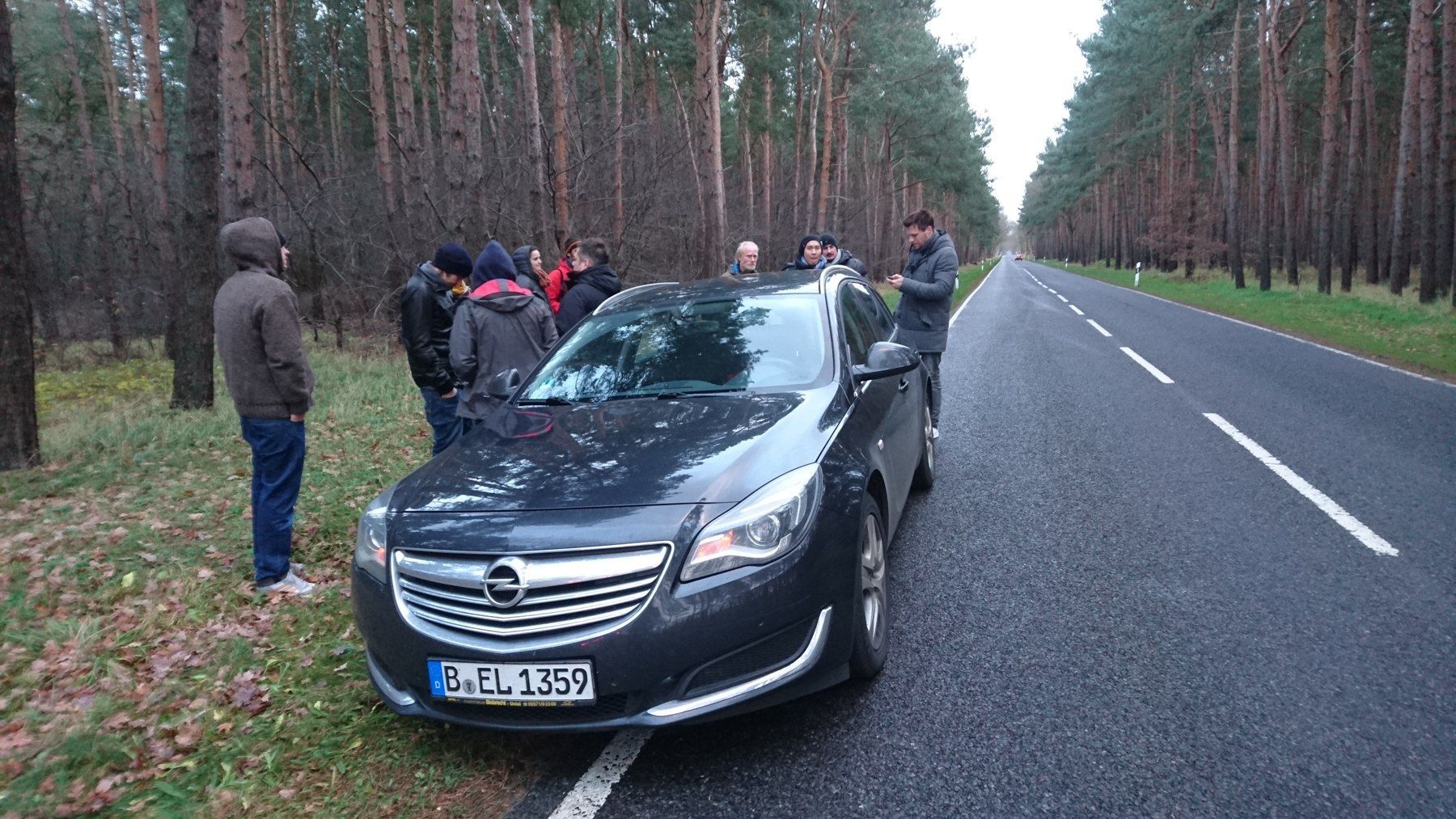
Ken's original directorial concept established a specific visual rule for the film.
During the first part of the story, the camera would remain outside the vehicle. Even the conversations between the two protagonists would be filmed from the exterior.
The audience would observe the characters from a distance.
At a certain point, however, this visual relationship needed to change fundamentally.
We needed a moment in which the audience would be drawn into the vehicle, both narratively and physically.
From the fight onward, the camera would remain much closer to the characters.
My assignment was to translate this directorial concept into a physical and cinematic action sequence.
THE CAMERA BECOMES PART OF THE ACTION
I developed a camera transition that would use the physical movement of the vehicle itself to initiate this change in perspective.
During the vehicle's sudden slide, I physically entered the car through its open rear side window while operating the camera.
The camera moves directly into the driver's space before a rapid whip pan reveals an important narrative detail.
A second whip pan conceals a wipe cut, transitioning the camera into a frontal position inside the vehicle, facing both protagonists.
The physical confrontation begins.
The audience is no longer observing the characters from outside.
The audience is now inside the car with them.
The open rear-right window was digitally restored in post-production, completing the visual illusion.
Ken and Chau immediately embraced the concept.
The action itself became the transition between two fundamentally different ways of experiencing the story.
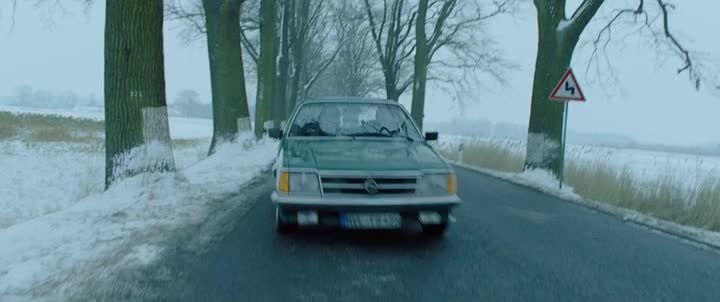
OUTSIDE
The audience observes.
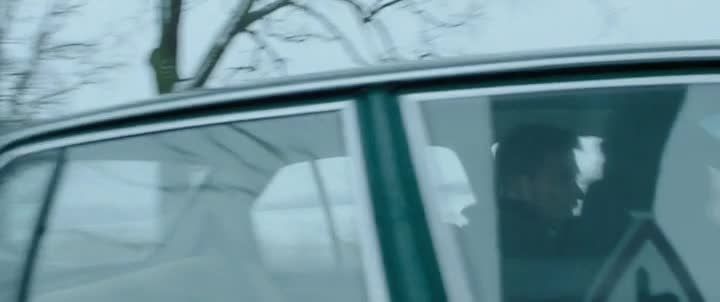
THE TRANSITION
The camera crosses the threshold.
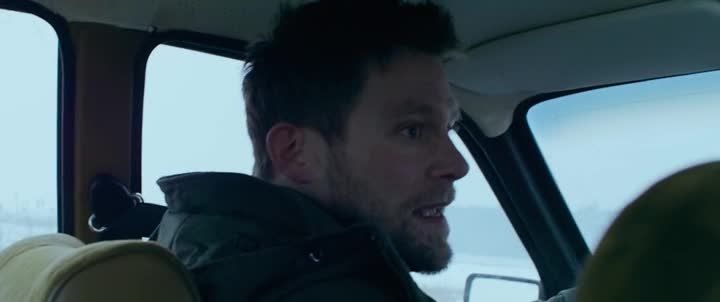
INSIDE
The audience becomes part of the confrontation.
The complete car sequence, previs and workshop edit
The full edits and the 2022 workshop montage reveal a detail withheld in this chapter.
REVEAL THE COMPLETE CAR SEQUENCE AND PREVIS HIDE THE CAR SEQUENCE AND PREVIS
THE CAR FIGHT
Designing Physical Conflict Within a Confined Space
The fight inside the vehicle required a different approach from conventional fight choreography.
The confined environment became an essential part of the action design.
I developed the sequence around a combination of realistic close-quarters fighting, tactical movement, physical struggle and interaction with the objects and surroundings inside the vehicle.
Together with Mathis and Ulrich from my stunt team, I developed, rehearsed and previsualized the sequence before production.
The choreography was designed in conjunction with camera perspectives, physical performance and editorial rhythm.
The result was intended to feel immediate, uncomfortable and physically credible, rather than like a conventional cinematic fight performed inside a car.
The original training and previsualization footage documents the development of this sequence.
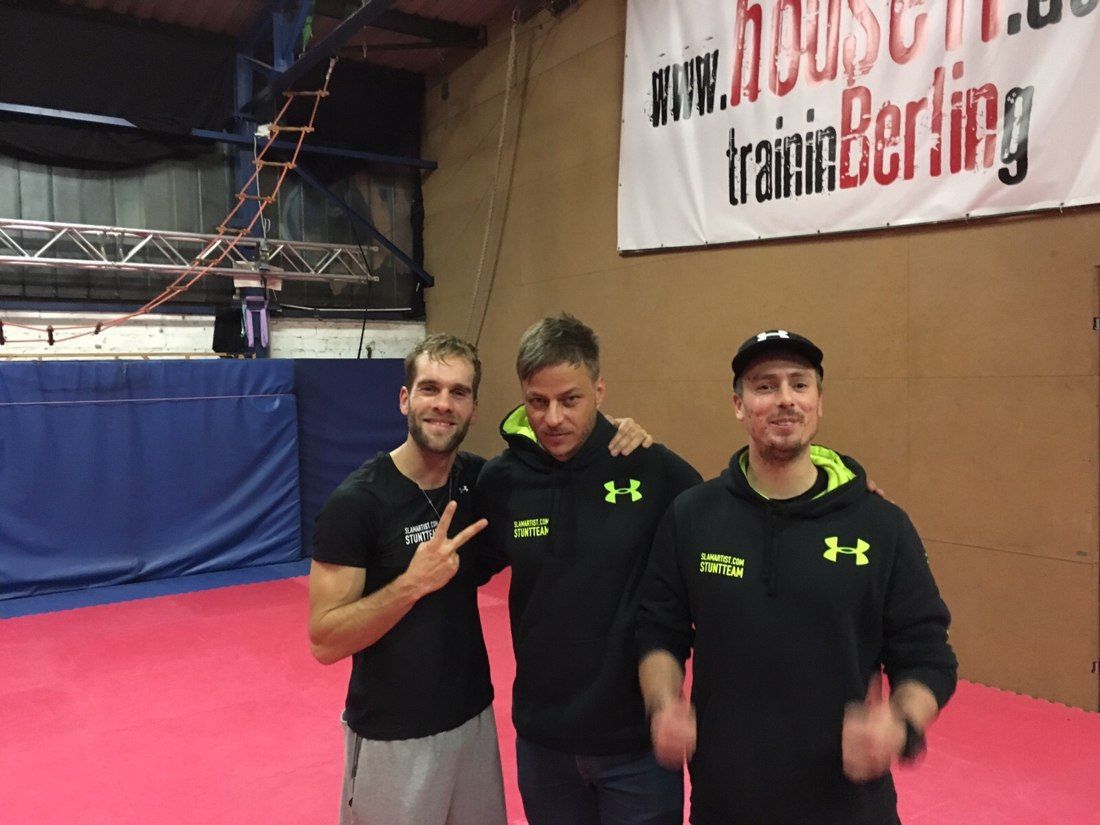
Watch both complete previs cuts and compare the Action Unit edit with the finished film. Contains plot details.
ACTION DIRECTION INCLUDES THE EDIT
Designing the Rhythm Before the Footage Reaches the Film Editor
My work on Berlin Falling also included the editing of the action sequences I directed.
This applied to the car fight, the police confrontation and the other physical action sequences throughout the film.
I prepared dedicated action edits for the film editor, establishing the intended action beats, impact timing, rhythm and speed curves.
The objective was to deliver sequences that could be integrated directly into the film's editorial timeline.
For me, action direction does not end when the camera stops recording.
The physical performance, the camera perspective and the precise moment of a cut are interconnected creative decisions.
Editing is an essential part of realizing the original action-direction concept.
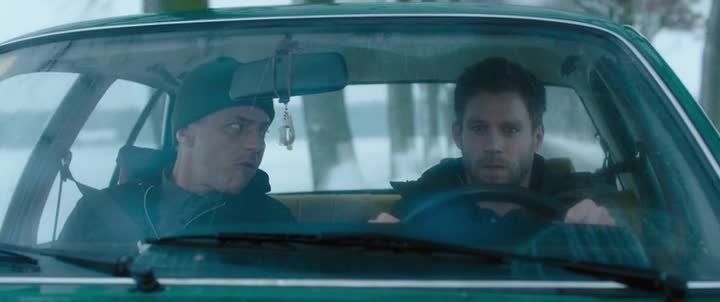
- Fight design
- Previsualization
- Production
- Action edit
- Film editor
ADDITIONAL ACTION DIRECTION
The Police Sequence
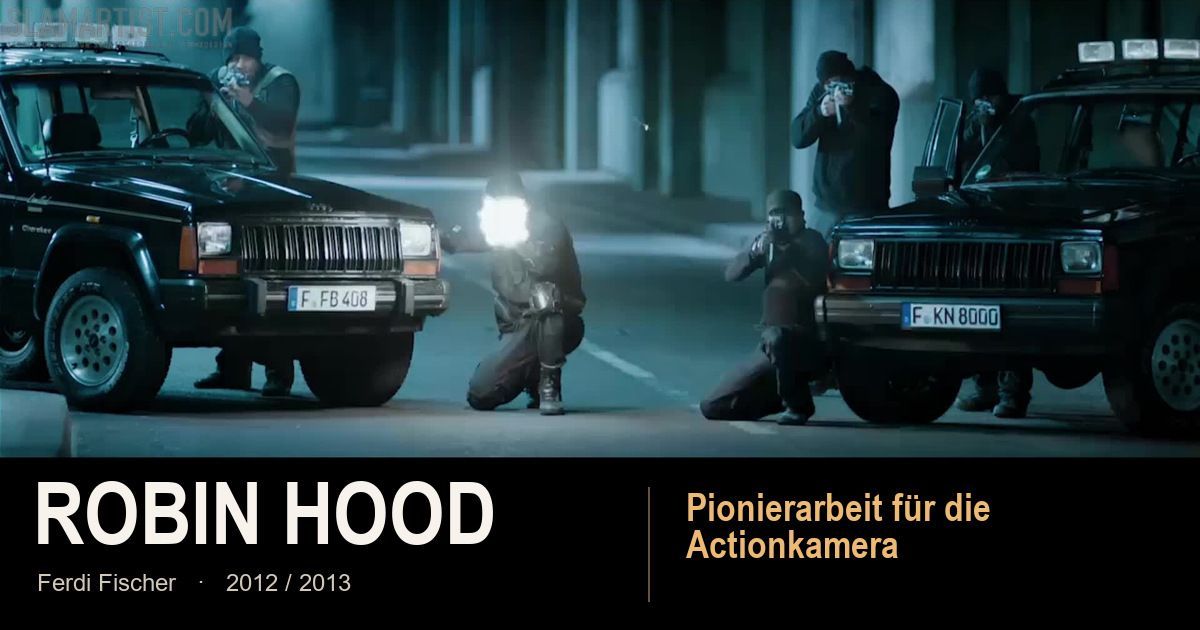
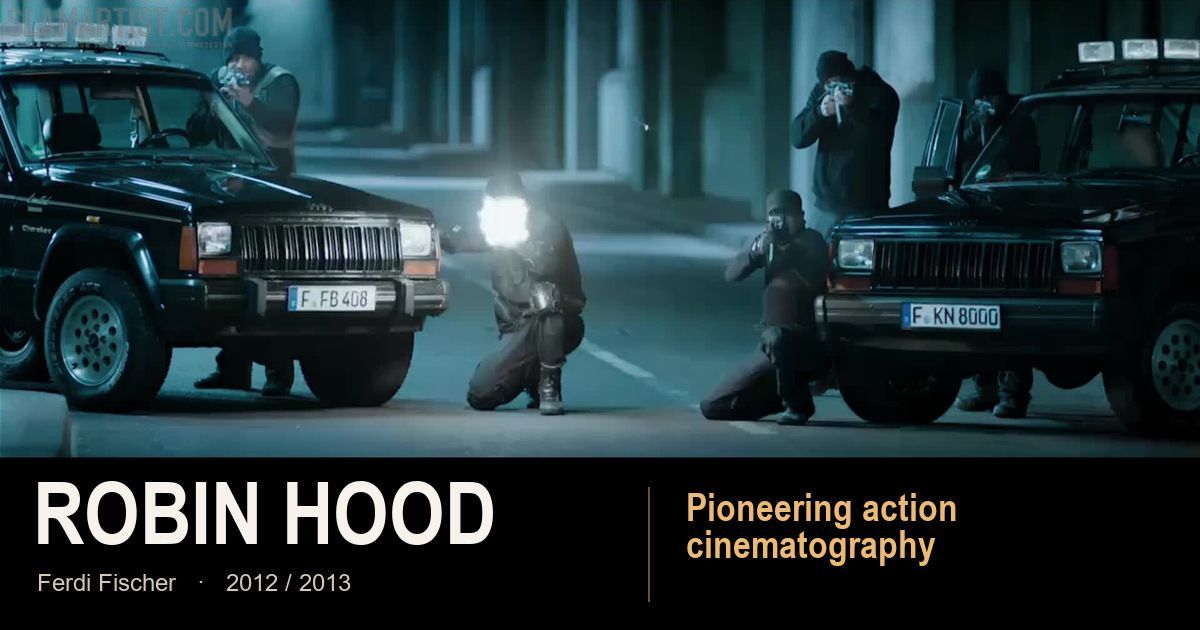
Beyond the central car fight and the final sequence, my responsibilities included the development, choreography and editing of additional action sequences throughout the film, including the confrontation involving several police officers.
The production archive documents dedicated previsualization, rehearsal, production and action editing for these sequences.
Each sequence was developed in relation to the film's physical and psychological intensity.
RETHINKING THE IMPOSSIBLE SHOT
When a Production Constraint Becomes a Creative Opportunity
One of the most significant creative challenges occurred during the development of the film's final sequence at Berlin Central Station.
The security situation in Berlin at the time, combined with the location itself, meant that staging a practical vehicle explosion outside the station was not a realistic production option.
A conventional exterior shot of a digitally generated vehicle explosion was an alternative, but achieving the desired level of realism and emotional impact within the production's budget would have been a challenge.
I proposed a fundamentally different approach.
Instead of concentrating on the spectacle of an exploding vehicle, I wanted to concentrate on what the explosion meant for the characters.
The most important image was not the destruction of the car.
It was the physical and emotional impact on the people inside it.
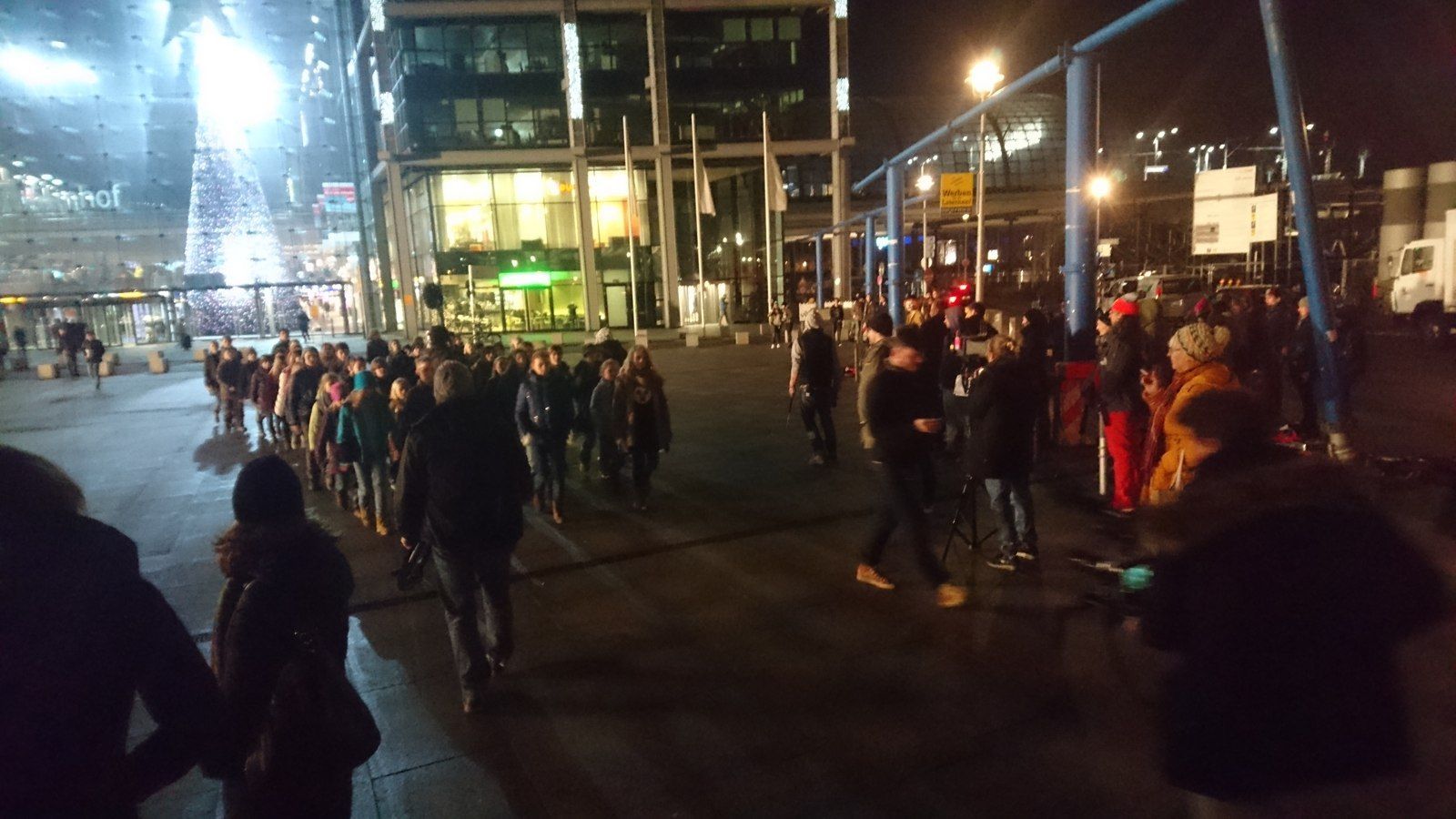
THE FINAL SEQUENCE
This chapter reveals the ending of Berlin Falling. The complete cuts also show a plot detail withheld in the camera chapter.
REVEAL THE FINAL SEQUENCE HIDE SPOILERS
THE EXPLOSION FROM WITHIN
Practical Performance. High-Speed Cinematography. Digital Effects.
Following the final physical confrontation, Ken's character brings the antagonist back into the vehicle.
Faced with the circumstances of the story, he makes the decision to trigger the explosive device in an attempt to save his family.
My concept was to capture this decisive moment in an extremely close, frame-filling composition, showing both protagonists from the front.
Rather than creating an actual explosion, we combined controlled practical stunt performance with high-speed cinematography and digital visual effects.
Using a Phantom Flex4K recording at 1,000 frames per second, we captured the simultaneous physical reaction of both performers.
Manually operated stunt pulls provided the real physical performance underlying the subsequent visual effect.
The subtle reactions of the head, neck, arms and upper body became particularly visible through high-speed cinematography.
The VFX team then integrated the digital fire, the visual pressure-wave effect, the movement of the windows and even subtle details such as the singeing of facial hair.
Their work complemented the practical performance exceptionally well.
Because the physical reaction was already present in the original footage, the digital explosion became an extension of a real performance rather than an entirely synthetic event.
- Phantom Flex4K
- 1,000 fps
- Practical performance
- Digital visual effects
KNOWING WHEN TO CUT AWAY
The moment the audience understands what has happened, the film cuts away from the interior of the vehicle.
We return to the station environment and hear the remaining explosion off-screen.
There is no need to show the complete destruction of the vehicle.
The decisive narrative information and the strongest visual moment have already been delivered.
The sound completes the event.
This was the concept I originally pitched to Ken and Chau, and it was executed as conceived.
It became one of the most successful examples of creative problem-solving during the production.
Image. Reaction. Cut. Sound.
THE ROLE OF AN ACTION DIRECTOR
Beyond the Execution of Stunts
Berlin Falling illustrates why action direction is not limited to choreography, physical performance or stunt execution.
The assignment can require a solution to a narrative problem, a cinematographic challenge, a production limitation or an editorial decision.
Sometimes the most effective action sequence is not the largest or most expensive one.
It is the one that delivers exactly what the story needs.
Whether physically bringing the audience into a moving vehicle or replacing an impossible practical explosion with a combination of performance, high-speed cinematography, visual effects and sound, the objective remains the same:
To turn physical action into cinematic storytelling.
Physical action. Cinematic storytelling.
Official Film Trailer
Production credits
- Director
- Ken Duken
- Director of Photography
- Ngo The Chau
- Starring
- Ken Duken, Tom Wlaschiha
- Production
- GrandHôtelPictures
- Action Director / Second Unit Director
- Ferdi Fischer
- Stunt Coordinator
- Ferdi Fischer
- Action sequence development, fight design, fight choreography, actor training, action previsualization, action camera operation and action sequence editing
- Ferdi Fischer