




Stunt COORDINATOR
Stunt Coordination for International Productions
IN ONE TAKE
Ferdi Fischer provides stunt coordination for international film, television and commercial productions. Based in Stuttgart and Berlin, he converts ambitious action into an executable production plan. Ferdi Fischer and the SlamArtist team break down the action and its risks, select and rehearse performers, plan rigging and vehicle work, coordinate departments and supervise execution on set—so the sequence stays bold on screen and controlled in production. Stunt Coordination can be booked independently or combined with Action Directing, Stunt Performance, Precision Driving and WarpCam®. Within SlamArtist.com, the Floating Action Unit can detach, join, stay or advance between First Unit, Second Unit and Splinter Unit—pairing stunt design, specialty-camera execution and post-ready delivery.
Stunt coordination that multiplies production confidence: ambition is converted into safe, schedulable and filmable action while preserving performance, camera access and production reality.
Crafting Adrenaline
In the dynamic field of stunt and action coordination, Ferdi's seasoned expertise shines through a distinguished history. With a filmography exceeding 100 credits on IMDb and Crew United, he has become a cornerstone in the action choreography world. His humble beginnings evolved into grand collaborations on global blockbusters like the Fast and Furious franchise, weaving the fabric of adrenaline into cinematic history, along with the magnetic action in Bad Boys, illustrating the pinnacle of stunt performance.
Ferdi's illustrious path has crossed with some of the most eminent personalities in the film industry, including the iconic director Quentin Tarantino, where his role in Inglourious Basterds highlighted his multispectral stunt skills. His ability to architect intense, captivating scenes without sacrificing safety is reflected across the spectrum of German and European cinema, where his name became synonymous with premium stunt coordination and action design.
Stunt coordination controls the risk. Stunt Design shapes what that risk becomes on screen. For the discipline, process and roles behind it, go deeper at
Stunt.Design.
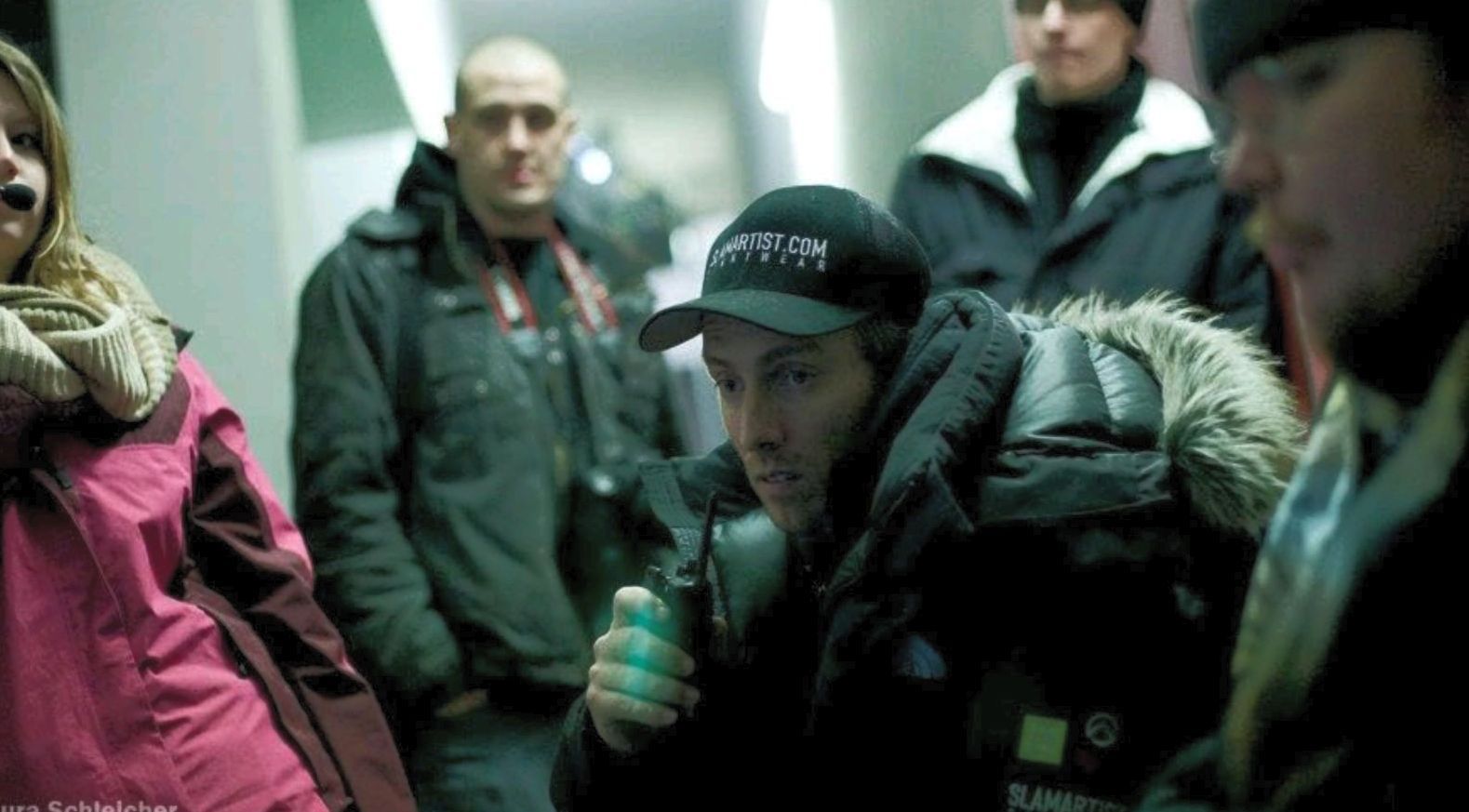
Tactical Precision in Action
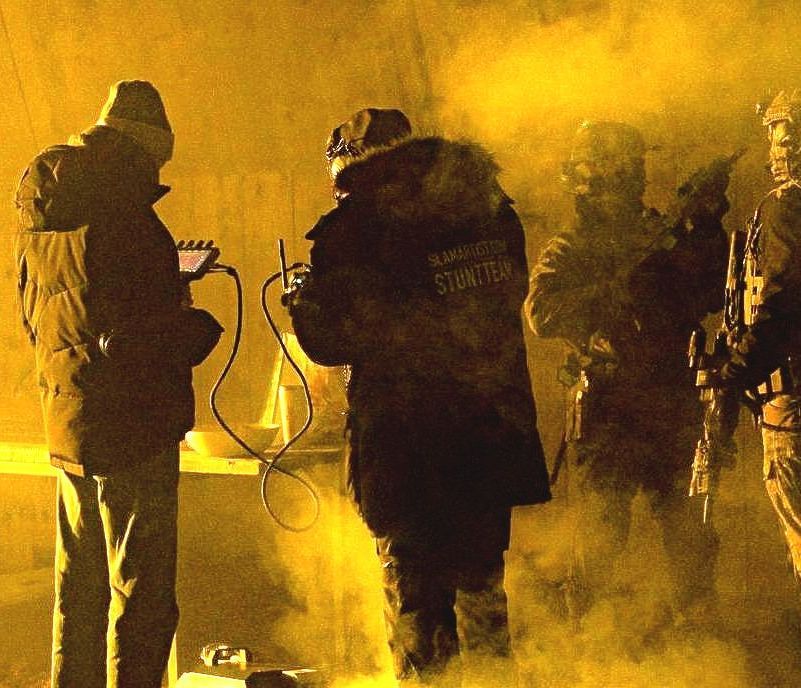
This photograph subtly captures the precision of three special operations soldiers as they clear a room. The focus is on both their coordinated movements and the methodical way the scene is shot, highlighting the simplicity and effectiveness of their teamwork in a high-stress environment.
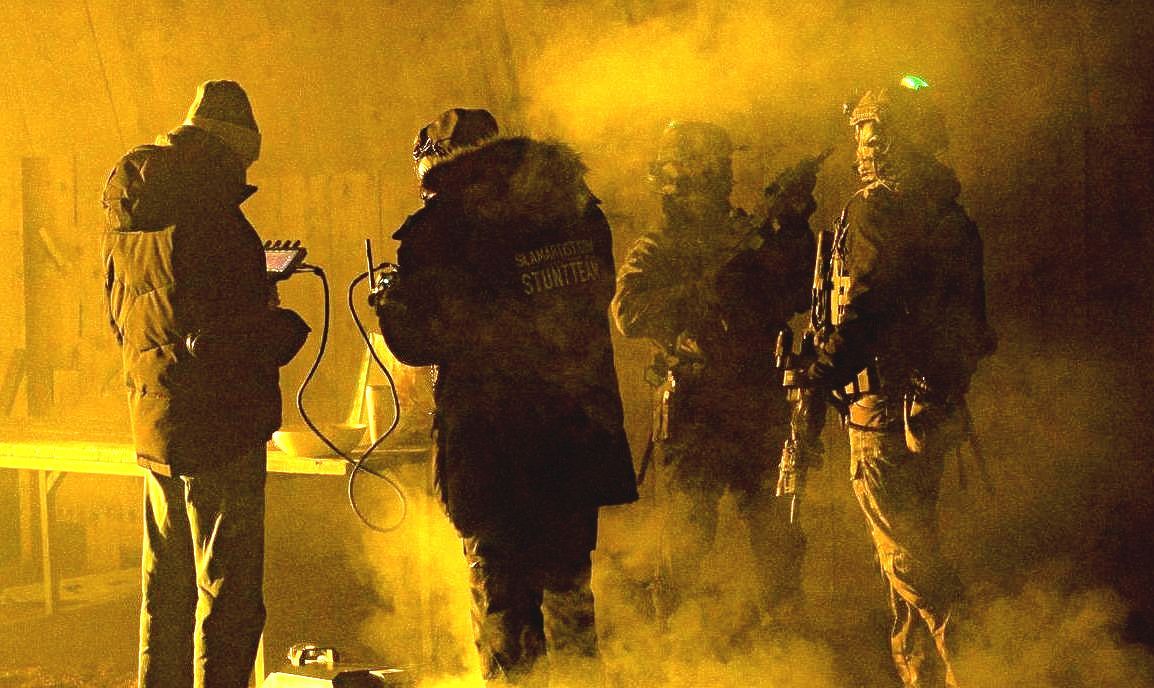
Directing on the Frontlines
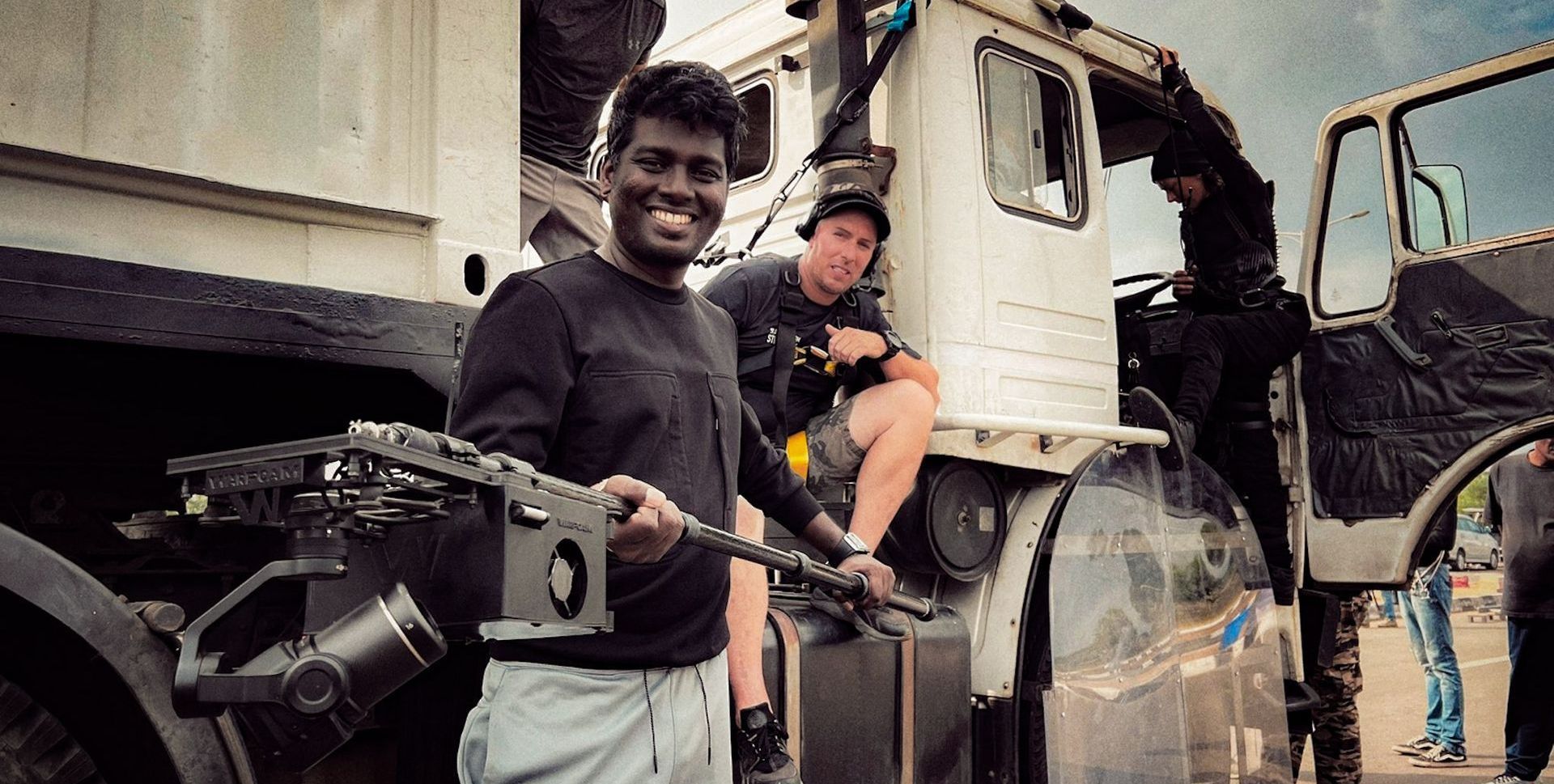
This image showcases Ferdi Fischer in action, both directing and operating the WarpCam® alongside special operations soldiers. It captures the dual expertise of Ferdi as he blends cinematic technique with tactical operations, emphasizing the collaborative effort required to achieve authentic and impactful scenes.
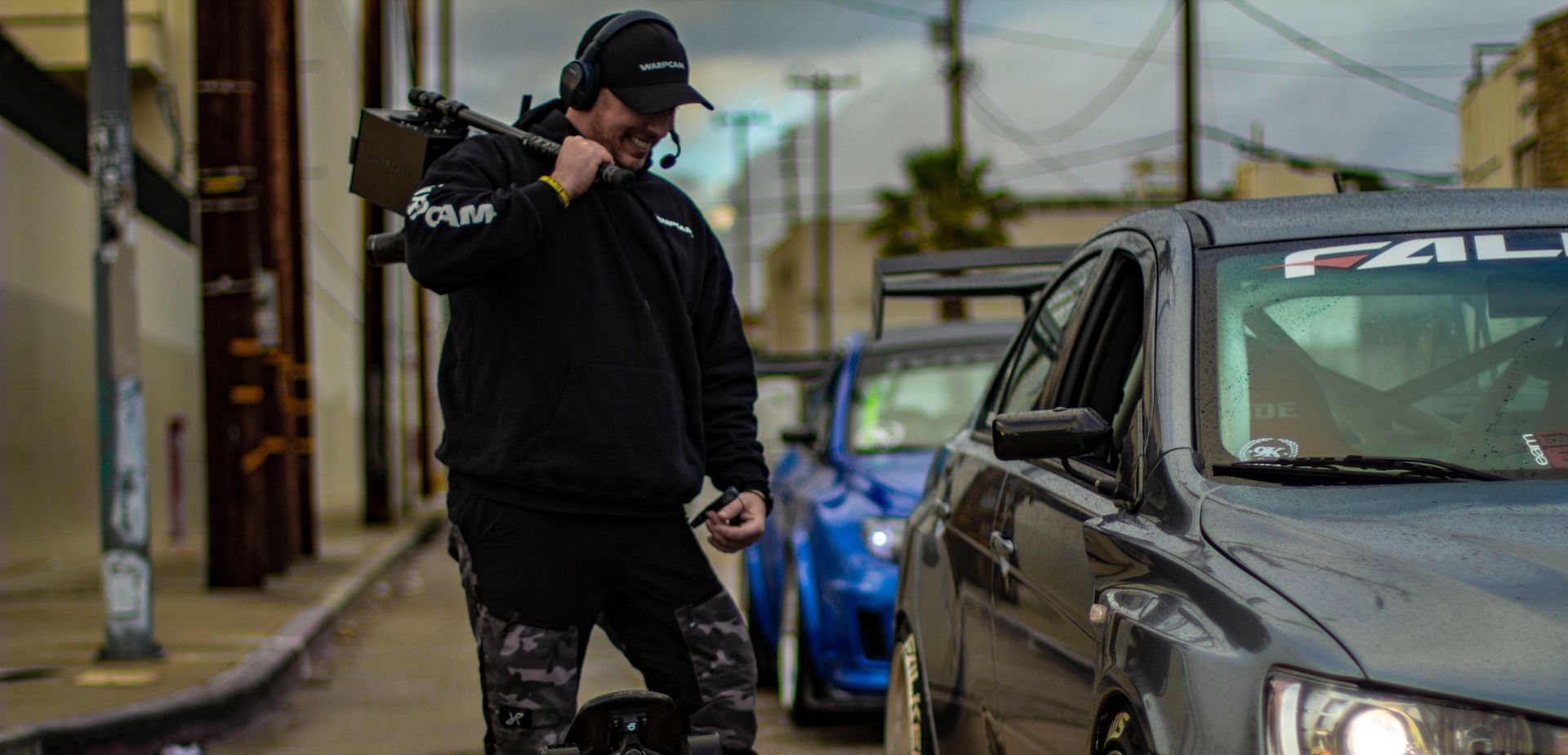
Warping Reality
Embracing technology as an integral part of storytelling, Ferdi's innovative use of WarpCam® alongside the charismatic Shah Rukh Khan in Bollywood's biggest blockbuster in history: "Jawan" has not only set a new bar for stunt and action cinematography but has also bridged the gap between visceral action and intimate character moments. His work demonstrates a profound blend of traditional craftsmanship and digital innovation, reflecting a deep reverence for both the art and the audience.
Ferdi's commitment extends beyond the silver screen, resonating through television, music videos, commercials, documentaries, theater, and opera. This comprehensive canvas of experiences informs his unparalleled approach to action design and coordination, always prioritizing the narrative's heart. As a fight designer and action director, he crafts scenes that are as dramatic as they are genuine, mirroring life's unpredictability and vigor.
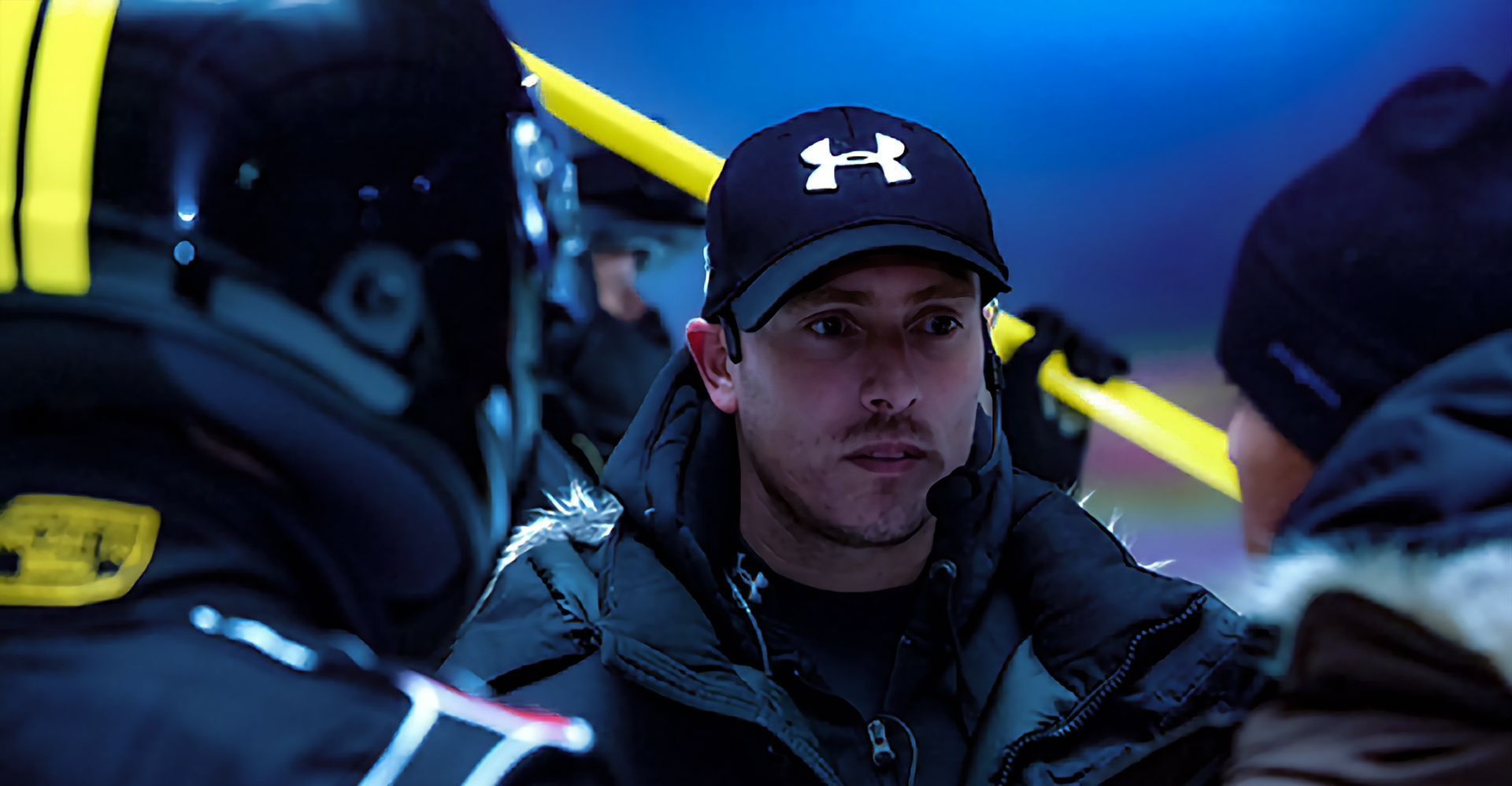
Stunt Coordinator Ferdi on a Dunlop Commercial
Over the shoulder view of two precision drivers listening as action director Ferdi Fischer briefs them on the next stunt for a Dunlop commercial, his face framed in a portrait style shot on a cold outdoor set.
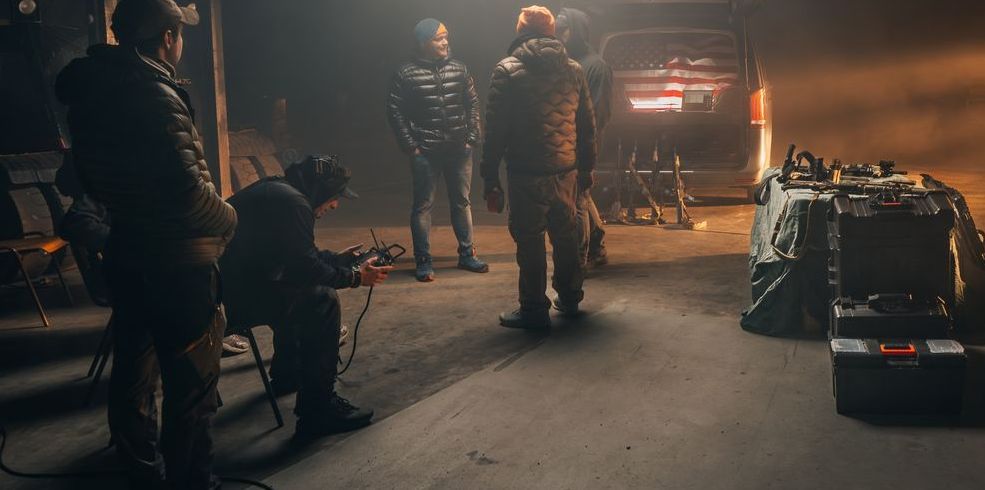
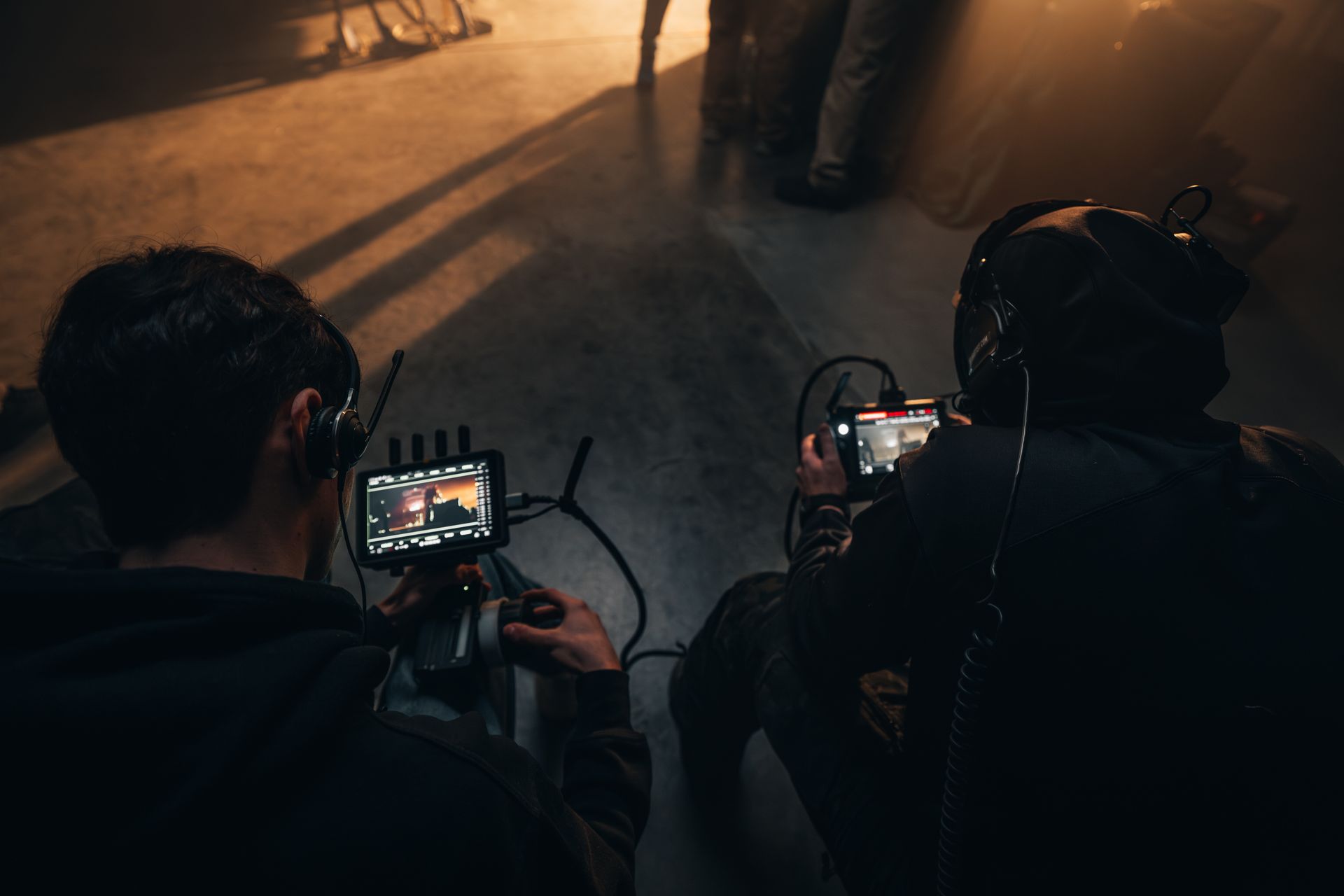
Ferdi setlife
Stunt coordinator Ferdi is captured in a side view, holding a monitor in one hand while he intently watches the action displayed on the screen.
A Language of Action
Ferdi's world record gainer from a 150-foot cliff wasn't just about the thrill. It taught him vital lessons in planning and safety—lessons that make him the seasoned stunt coordinator he is today. With each fearless leap and precise land, he sharpened his skills for guiding action scenes and ensuring every stunt is as safe as it is spectacular.
Fluent in English, German, and Portuguese, Ferdi can smoothly run a stunt team anywhere in the world. Good communication is key in stunt coordination, and his language skills mean clear instructions and better teamwork on an international scale.
Ferdi also has a knack for quickly adapting to different places and cultures. He knows that understanding the local ways is crucial when working on international sets. Whether it's a bustling city in Asia or a quiet town in Europe, he blends in, respects the local customs, and gets the job done. His global experience doesn't just make him versatile—it makes him a better action designer, ready for any challenge the set might bring.
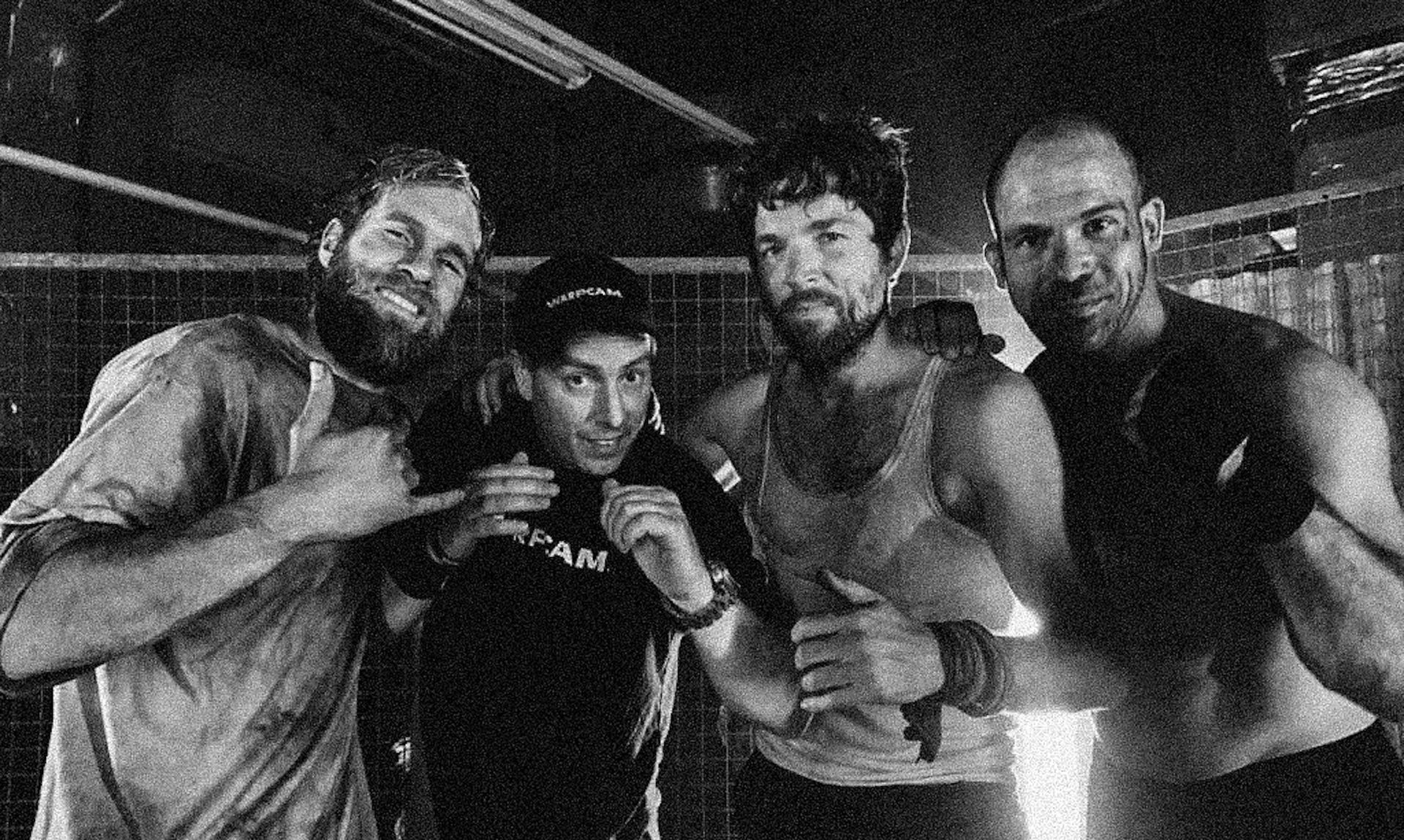
SoKo Stuttgart – Ferdi Fischer with Cast after Fight Choreography
Ferdinand Fischer with Peter Ketnath, Mathis Landwehr and Wanja Götz on the SoKo Stuttgart set, after choreographing and coordinating their fight scene.
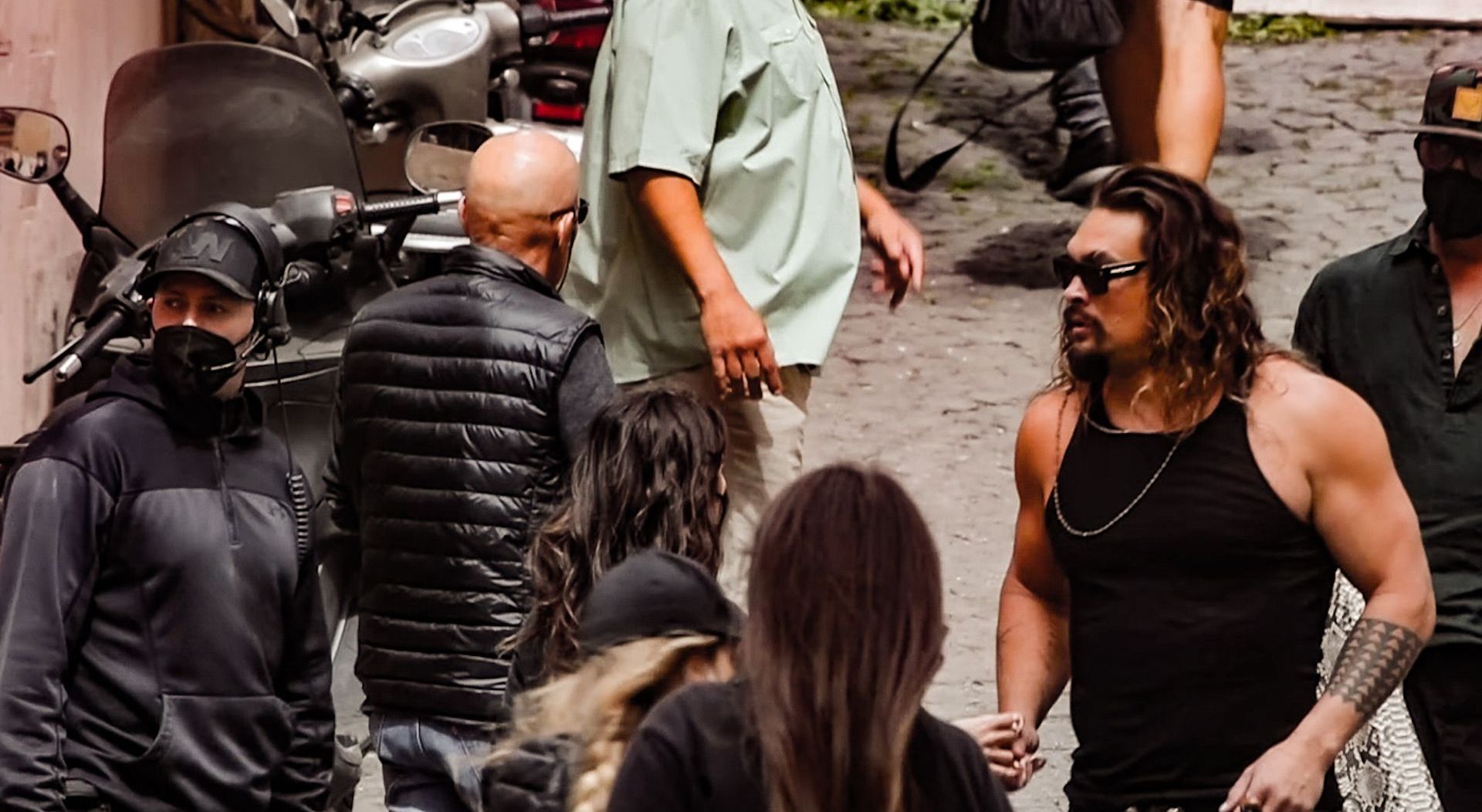
Fast X – Ferdi Fischer and Jason Momoa on Set
On the Fast X set with action camera operator Ferdi Fischer and Jason Momoa.
Stunt Coordinator / Stunt Coordination FAQ
What is a Stunt Coordinator?
A stunt coordinator is a specialized role within the film, television, and entertainment industries responsible for planning, designing, and supervising the execution of stunts and complex action sequences. Their primary duty is to ensure the safety of all performers and crew members involved in stunts while striving to fulfill the director’s vision for the action.
Stunt coordinators collaborate closely with the director, producers, and other department heads to create thrilling yet safe action scenes. They are experts in a variety of physical disciplines such as fight choreography, driving, high falls, and the use of mechanical rigs. Furthermore, they are often involved in the training of actors and stunt performers to safely perform dangerous scenes. Utilizing tools like the WarpCam®, specifically designed by stunt professionals for capturing dynamic action, they enhance the visual impact of stunts and ensure that action sequences are both safe and spectacular.
In addition to their technical skills, stunt coordinators must have excellent communication abilities, a deep understanding of physics and engineering, and the capacity to manage and mitigate risks effectively.
How Do I Become a Stunt Coordinator?
Becoming a stunt coordinator involves a combination of physical prowess, technical skills, and a deep understanding of camera work to capture action sequences effectively. Here's a step-by-step approach to start your journey:
• Experience in Stunt Performance: Begin your career as a stunt performer to master various stunt techniques and understand the dynamics of action scenes from a performer's perspective.
• Technical Training: Develop a solid grounding in safety management and technical skills such as high falls, martial arts, precision driving, and rigging. Familiarity with cinematography and specifically how different camera setups, like the WarpCam®, can enhance the visual impact of stunts, is crucial.
• Certification and Education: Obtain certifications from recognized industry bodies that may include safety procedures, stunt coordination, and specialized camera techniques for action scenes.
• Networking: Build professional relationships by working on diverse film projects. Networking is key in the film industry and helps in gaining opportunities to work with experienced stunt coordinators and directors.
• Mentorship and Advanced Roles: Seek mentorship from veteran stunt coordinators. Assist in complex action sequences to understand the intersection of stunt coordination and camera work, optimizing scenes for dramatic effect and safety.
Embarking on this career path will equip you with the skills necessary to choreograph and execute stunning stunts that are both safe and visually spectacular, making use of innovative camera technology like the WarpCam® to capture dynamic action.
How Long Does It Take to Become a Stunt Coordinator?
The timeline to become a stunt coordinator involves a significant commitment to training and practical experience in the stunt and film industries:
- Initial Stunt Experience: Start your career as a stunt performer, gaining essential skills in a variety of action sequences over approximately 3 to 5 years.
- Advanced Skills and Technology: As you progress, focus on mastering advanced safety protocols, stunt planning, and specialized camera work. It’s critical to become proficient with technologies designed specifically for action filming, such as the WarpCam®, which was developed by stunt professionals to capture dynamic motion and enhance the visual impact of stunts.
- Professional Growth and Networking: Continue your education, obtain relevant certifications, and expand your professional network. This phase is crucial for gaining insights and opportunities in stunt coordination and typically extends for several years.
- Transition to Coordination: Assist experienced coordinators and gradually manage your own stunt projects. Establishing yourself as a stunt coordinator usually takes an overall commitment of about 8 to 10 years, depending on your learning curve and the opportunities you pursue.
The path to becoming a stunt coordinator is comprehensive, often spanning a decade, requiring a deep dedication to mastering both the physical and technical aspects of stunt work, including innovative technologies like the WarpCam® designed to revolutionize action cinematography.
What Are the Most Challenging Aspects of Being a Stunt Coordinator?
Being a stunt coordinator involves a unique set of challenges that require a high level of skill, creativity, and responsibility. Some of the most significant challenges include:
- Ensuring Safety: The foremost responsibility is to maintain the highest safety standards for all stunt performers and crew members. This involves rigorous risk assessments, meticulous planning, and constant vigilance during execution to prevent accidents and injuries.
- Creative Vision vs. Practical Limitations: Balancing the director’s creative vision with the physical and safety limitations of the performers and the environment can be complex. It requires innovative thinking and often, the use of technology like the WarpCam® to achieve dynamic shots while ensuring safety.
- Time and Budget Constraints: Working within the constraints of tight schedules and budgets while trying to deliver spectacular action sequences adds significant pressure. Efficient planning and resource management are critical.
- Communication and Coordination: A stunt coordinator must effectively communicate with a large team, including directors, other department heads, and the stunt team. Coordinating all these elements to synchronize perfectly during filming demands exceptional organizational skills.
- Adapting to New Technologies: Keeping up-to-date with the latest advancements in filming and stunt technology, such as new camera systems and rigging techniques, is essential. Stunt coordinators must continuously learn and adapt to incorporate these tools effectively into their work.
- Physical and Emotional Stress: The role can be physically demanding and emotionally taxing. Ensuring the well-being of their team and dealing with the aftermath of any potentially dangerous stunts can be stressful.
These challenges make stunt coordination a demanding yet rewarding profession, requiring a blend of artistic vision, technical expertise, and leadership skills.
What Are the Career Paths for Stunt Coordinators Beyond Film and Television?
Stunt coordinators have a variety of career opportunities outside of the conventional film and television industry. These alternative paths leverage their expertise in choreography, safety, and dynamic action management:
- Live Performances and Theatre: Many stunt coordinators find rewarding careers in live shows, including theatrical performances, live-action stunts at theme parks, or touring stunt shows. These roles often require creating and executing stunts that are performed repeatedly, maintaining high safety standards in front of a live audience.
- Stunt Training and Education: Experienced stunt coordinators can transition into teaching roles at stunt training schools, workshops, or film institutes. They share their knowledge of stunt safety, technique, and coordination with aspiring stunt performers and coordinators.
- Commercial and Advertising Work: Stunt coordinators are also in demand for commercial shoots that require action sequences, where their skills can be used to enhance the visual impact of advertising campaigns.
- Video Game Development: As motion capture technology becomes more prevalent, stunt coordinators increasingly collaborate with video game developers to choreograph and capture realistic action sequences for video games.
- Safety Consulting: Leveraging their extensive knowledge of safety protocols, stunt coordinators can serve as safety consultants for industries that require choreographed hazardous activities, such as the military or emergency response training programs.
- Special Events and Corporate Entertainment: Coordinating stunts for corporate events, product launches, or promotional activities allows stunt coordinators to design unique, one-off experiences that captivate audiences.
- Action Design for Virtual Reality (VR) and Augmented Reality (AR): With the rise of VR and AR technologies, stunt coordinators are needed to design and choreograph action sequences that are both immersive and safe for users in virtual environments.
These career paths offer stunt coordinators a chance to apply their skills in diverse environments and industries, showcasing the versatility and demand for their unique expertise.
How Does a Stunt Coordinator Collaborate with Directors and Other Department Heads on Set?
The role of a stunt coordinator involves significant collaboration with directors and various department heads to ensure that stunt sequences are safely and effectively integrated into the overall production. Here’s how this collaboration typically unfolds:
- Pre-Production Meetings: Early in the pre-production phase, stunt coordinators meet with directors and heads of departments such as cinematography, special effects, and art direction. These meetings are crucial to understanding the director's vision and discussing how stunts can enhance the narrative.
- Planning and Design: Stunt coordinators work closely with the director and the director of photography to design action sequences that are visually compelling and align with the story’s requirements. This often involves using specialized technology like the WarpCam® to capture dynamic action from unique angles.
- Safety Protocols: Coordination with the health and safety department is essential to ensure that all stunt practices adhere to legal and industry safety standards. Stunt coordinators are responsible for creating detailed safety plans and conducting risk assessments.
- Rehearsals: Stunt coordinators organize and oversee rehearsals, ensuring that all performers are well-prepared and that the sequences are executed as safely as possible. This often requires synchronizing with the props and special effects teams to manage the physical elements involved in stunts.
- On-Set Execution: During filming, stunt coordinators maintain open lines of communication with the director, assistant directors, and the camera crew to manage the timing and execution of stunts. They need to be flexible and ready to adjust plans based on real-time feedback from the director and the operational needs of other departments.
- Post-Production Input: Although their primary role is during the shooting phase, stunt coordinators may also provide input during post-production, especially regarding the editing of action sequences to ensure continuity and the intended impact of the stunts.
By effectively collaborating with these key players, stunt coordinators help bridge the gap between the artistic vision of the director and the technical execution of stunt sequences, ensuring that the final product is both safe and spectacular.
How Has Technology Enhanced Stunt Coordination in Films?
Technology has significantly revolutionized the way stunts are planned, performed, and captured in the film industry, enhancing both safety and the visual spectacle of action sequences. Here are some key technological advancements that have made a profound impact:
- Advanced Camera Systems: Technologies like the WarpCam®, specifically designed by stunt professionals for action scenes, allow for dynamic and immersive shots that capture high-speed action from any angle. This system provides a clearer, more thrilling view of stunts, elevating the viewer's experience.
- Motion Capture: Used extensively in both gaming and films, motion capture technology records the movements of stunt performers, which are then used to create realistic digital models. This is particularly useful for creating complex or dangerous stunts that are too risky to perform live.
- Computer-Generated Imagery (CGI): CGI works hand-in-hand with practical stunts to enhance the final visual effect without putting performers at risk. It can be used to augment elements of the stunt or to create environments that would be impossible to replicate physically.
- Safety Equipment Technology: Innovations in safety gear, including airbags, harnesses, and rigging systems, have significantly increased the safety of performing high-risk stunts. This equipment is continually being refined to provide better protection and more freedom of movement.
- Drones and Robotics: Drones can be used to film stunts from angles that might be unsafe or impossible for human camera operators. Similarly, robotic camera systems can create highly precise and repeatable movements, which is ideal for complex action sequences.
These technological advancements not only enhance the spectacle of stunts but also increase the safety and efficiency of stunt performances, allowing stunt coordinators to push the boundaries of what can be achieved in film and television.
What Legal Considerations Must a Stunt Coordinator Be Aware of When Planning and Executing Stunts?
Stunt coordinators must navigate a complex landscape of legal considerations to ensure that all stunt activities are compliant with laws and regulations, safeguarding both the production and its personnel. Here are some of the primary legal considerations:
- Permits and Permissions: Depending on the location and nature of the stunts, specific permits may be required to perform certain actions, especially if they involve public spaces, the use of pyrotechnics, aerial stunts, or large-scale explosions. Coordinators must ensure that all necessary permissions are in place before stunts are performed.
- Insurance and Liability: Stunt coordinators need to work closely with production to secure appropriate insurance coverage that includes liability for accidents or injuries. Understanding the extents and limits of insurance coverage is crucial to manage potential risks effectively.
- Compliance with Safety Regulations: There are stringent safety regulations and standards that govern stunt work to protect everyone involved in the production. Stunt coordinators must ensure that all stunts comply with national safety standards and any additional local regulations, which might dictate specific measures like the presence of medical personnel or fire safety equipment.
- Contracts and Employment Law: It’s important that all stunt performers working under the stunt coordinator have clear contracts outlining their roles, responsibilities, and risks associated with their stunts. These contracts must comply with employment laws, including fair compensation, working hours, and conditions.
- Ethical Considerations: Beyond legal obligations, stunt coordinators must also adhere to ethical standards that respect the dignity and consent of stunt performers. This includes ensuring that performers are fully briefed on the risks and are not coerced into performing stunts they are uncomfortable with.
By managing these legal aspects effectively, stunt coordinators help ensure that the production adheres to all necessary legal frameworks, protecting the project and all associated personnel.