




FIGHT DESIGN
CHARACTER. CHOREOGRAPHY. CAMERA. ONE DESIGN.
IN ONE TAKE
Fight Design at SlamArtist connects character, choreography, performance, environment and camera in one system. Ferdi Fischer develops every beat for clarity, cinematic impact and repeatable execution—from script breakdown and rehearsal to camera planning and the final take. Where it serves the sequence, WarpCam® becomes part of that design.
EVERY FIGHT HAS A REASON
Convincing screen combat begins with character, not technique. Who attacks, who hesitates, who adapts—and what changes because of the confrontation? Ferdi translates those dramatic questions into movement, rhythm, distance and impact. The result is Fight Design that belongs to the scene instead of sitting on top of it.
As Fight Choreograf and Fight Coordinator, Ferdi builds a distinct physical language for every performer and story world—from raw, improvised violence to disciplined martial arts, weapons work and multi-character combat. Style, tempo and intensity are shaped around the actors’ abilities, the location and the emotional arc.
Stunt Design is integrated from the first concept. Falls, reactions, breakaways, props, rigging and protective measures are planned together, so the choreography remains bold on camera and controlled in production.
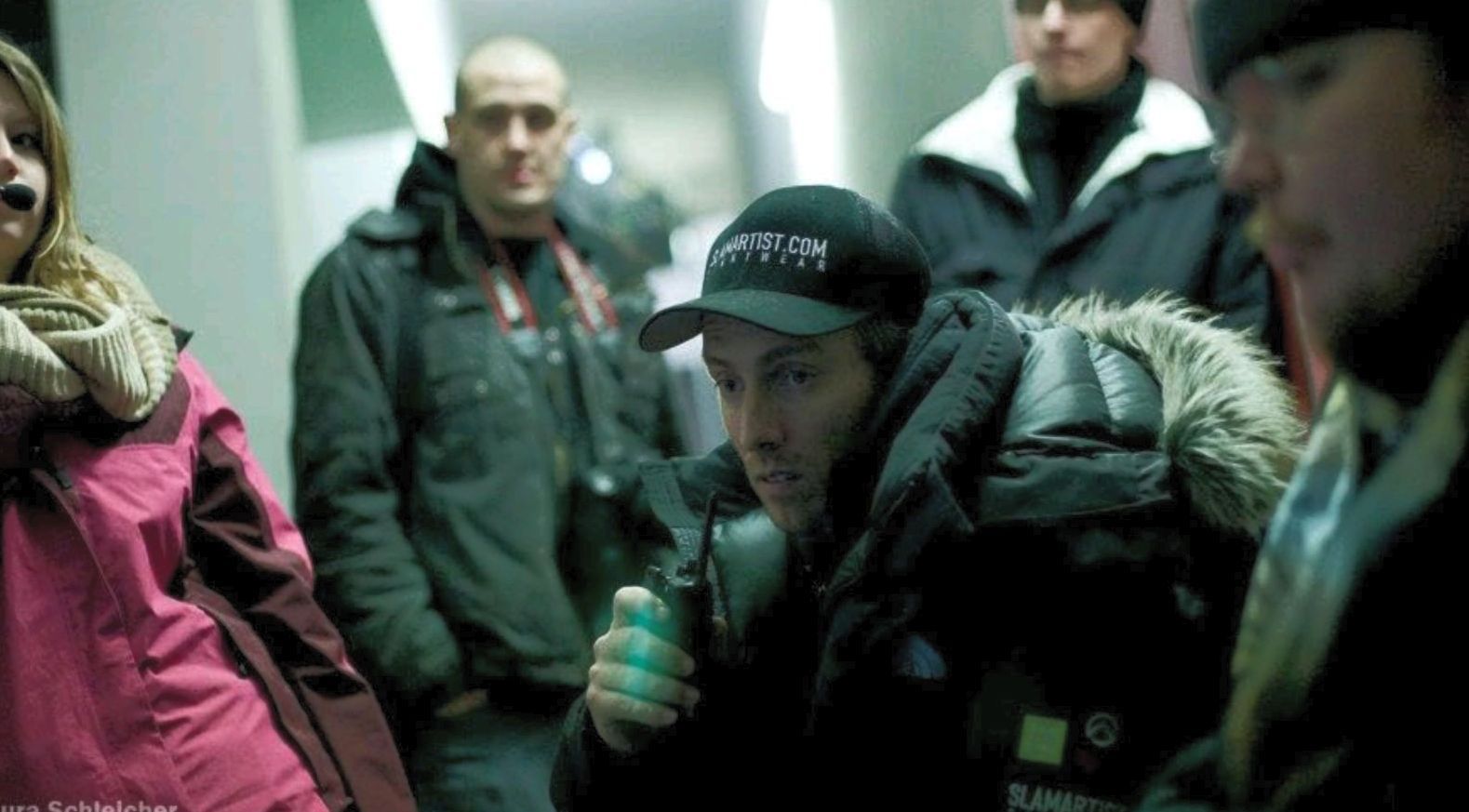
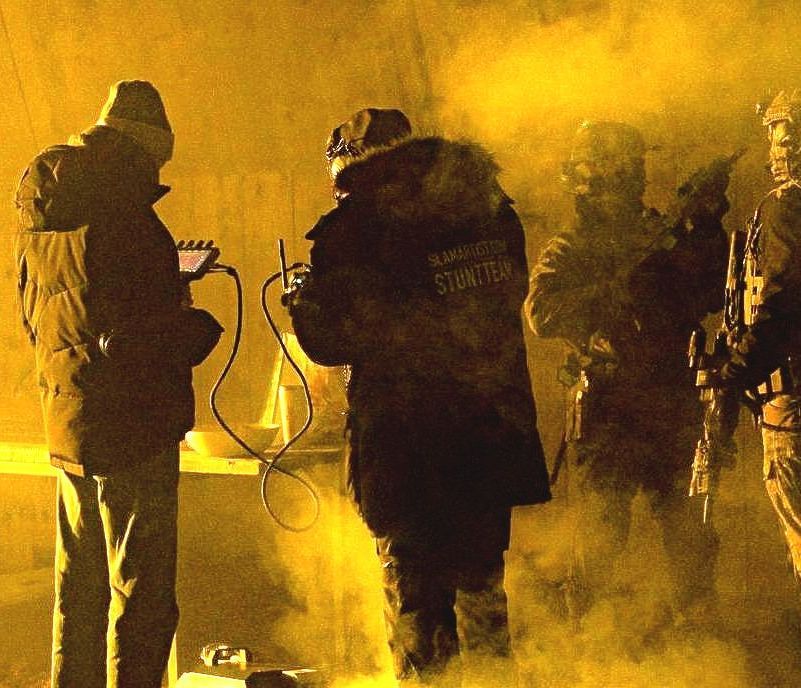
Tactical Precision in Action
This photograph subtly captures the precision of three special operations soldiers as they clear a room. The focus is on both their coordinated movements and the methodical way the scene is shot, highlighting the simplicity and effectiveness of their teamwork in a high-stress environment.
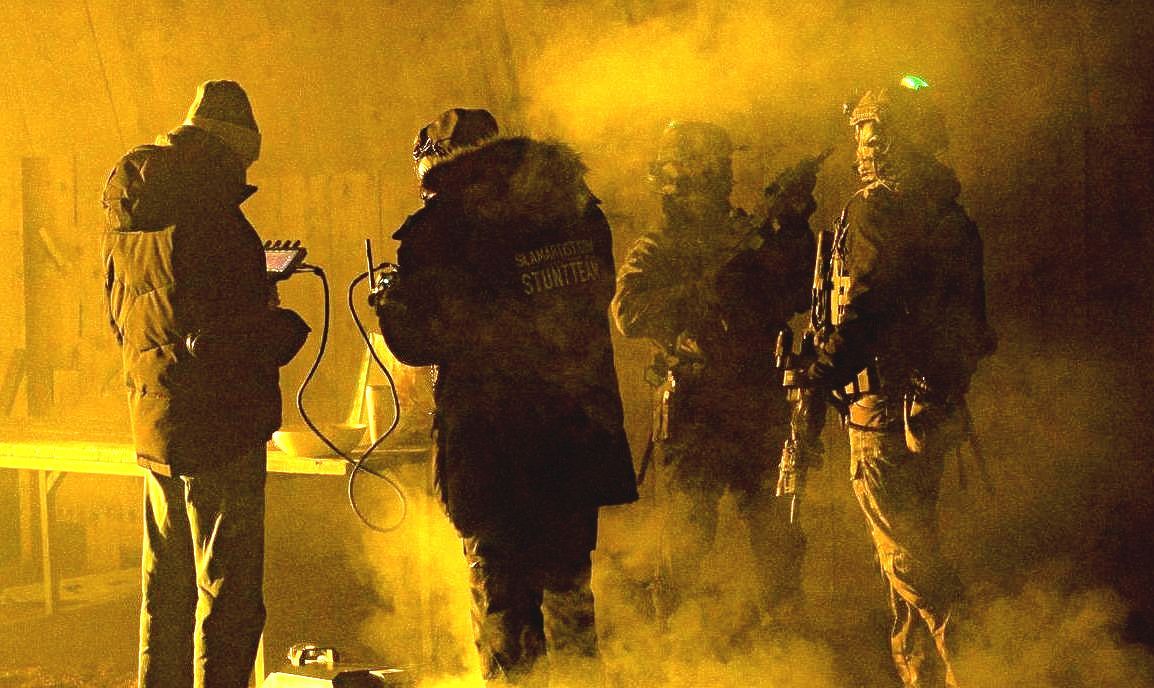
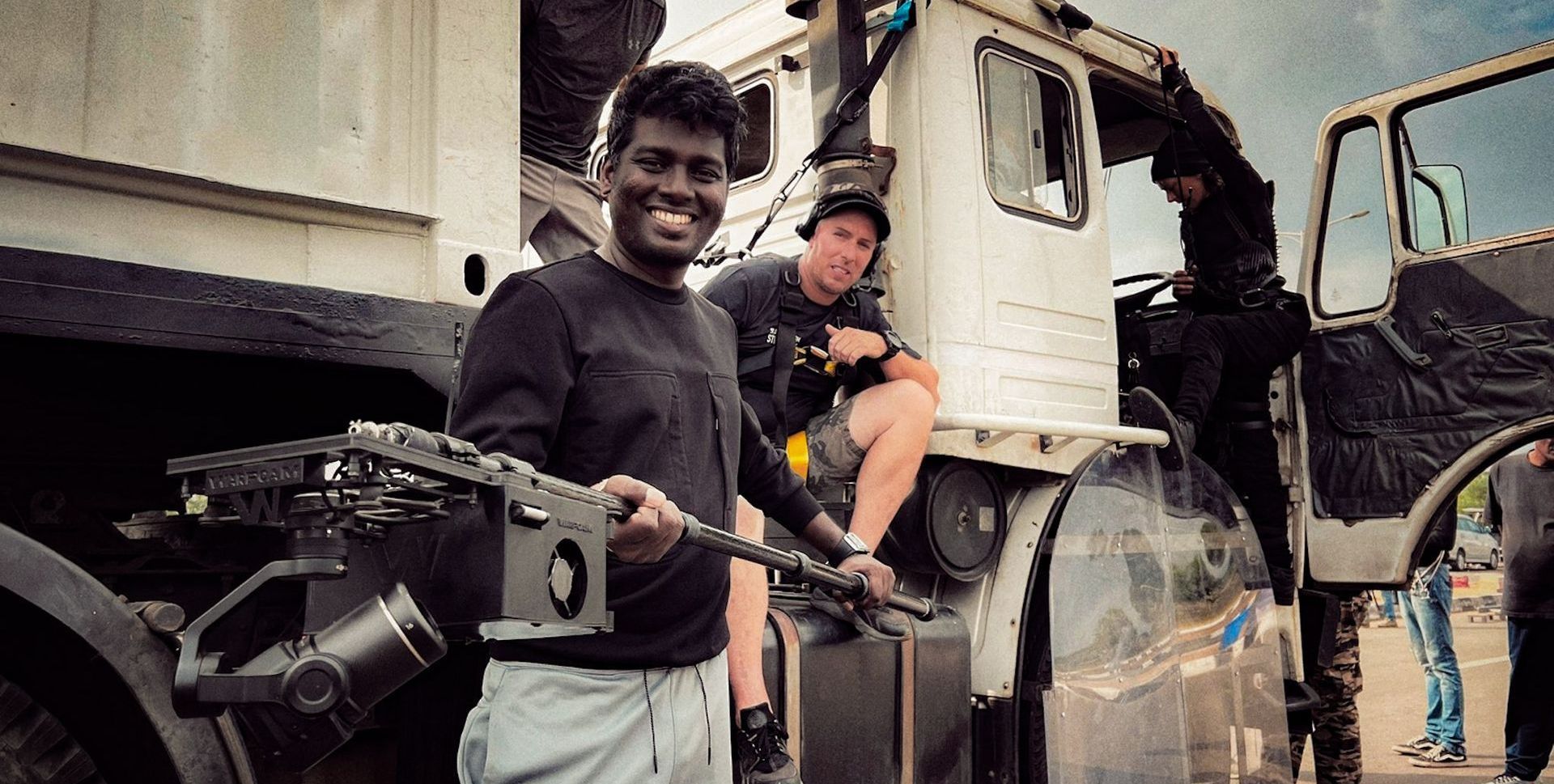
Directing on the Frontlines
This image showcases Ferdi Fischer in action, both directing and operating the WarpCam® alongside special operations soldiers. It captures the dual expertise of Ferdi as he blends cinematic technique with tactical operations, emphasizing the collaborative effort required to achieve authentic and impactful scenes.
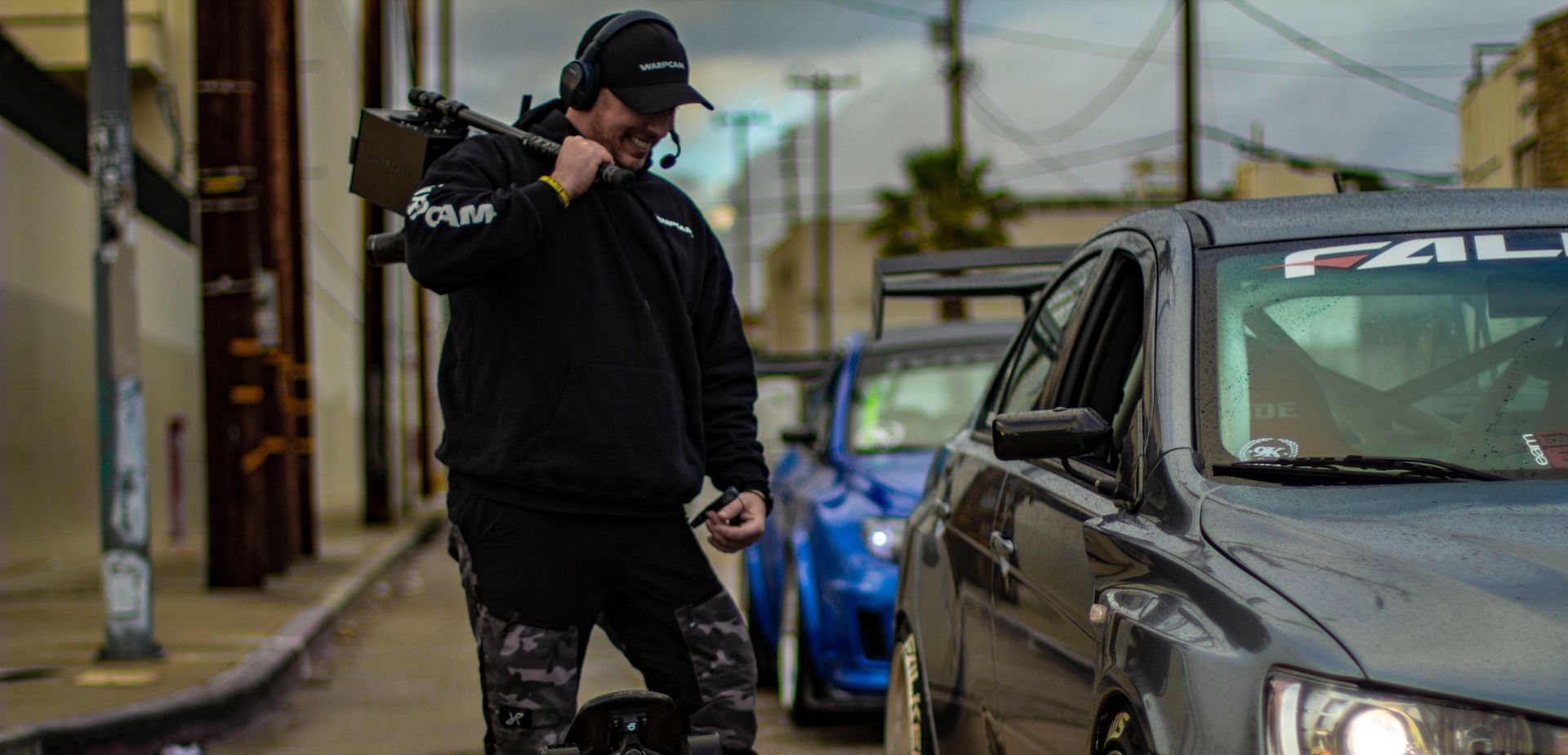
CHOREOGRAPH THE CAMERA
At SlamArtist, the lens is part of the choreography. Ferdi develops performance, focal length, camera distance, axis and timing together, so staged contact reads with force and the audience never loses the geography of the fight.
Previs the camera, not only the fight. Video rehearsals can test camera paths, working distance, lens choices and transitions before the shooting day. Performers, operators, direction and editorial gain one shared visual plan, while clearance and continuity questions surface early.
WarpCam® can be treated as part of the choreography, allowing camera movement and performer movement to be designed together. The result is coverage with a point of view: establish the space, follow cause and effect, then move inside the action when the story demands it.
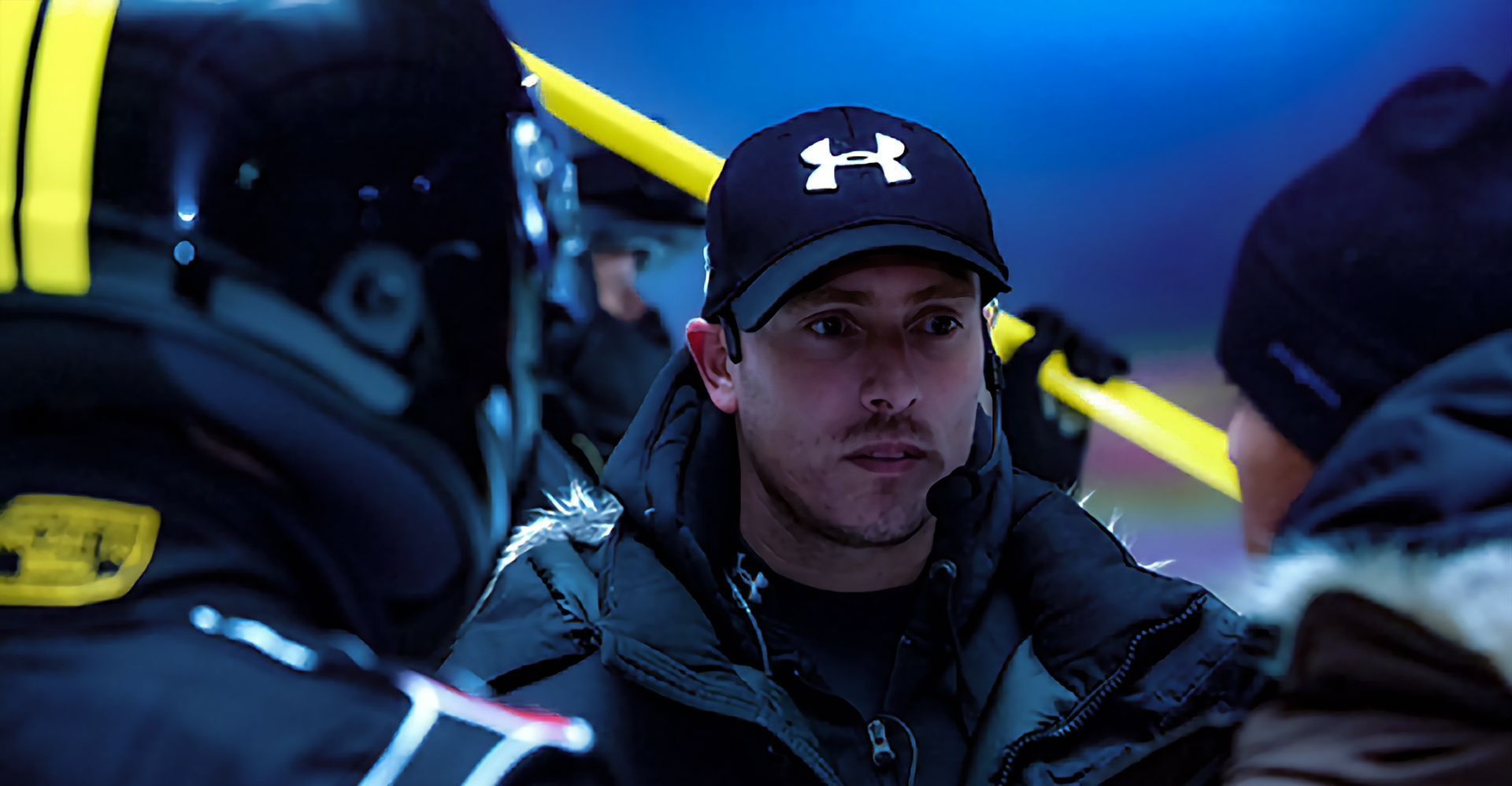
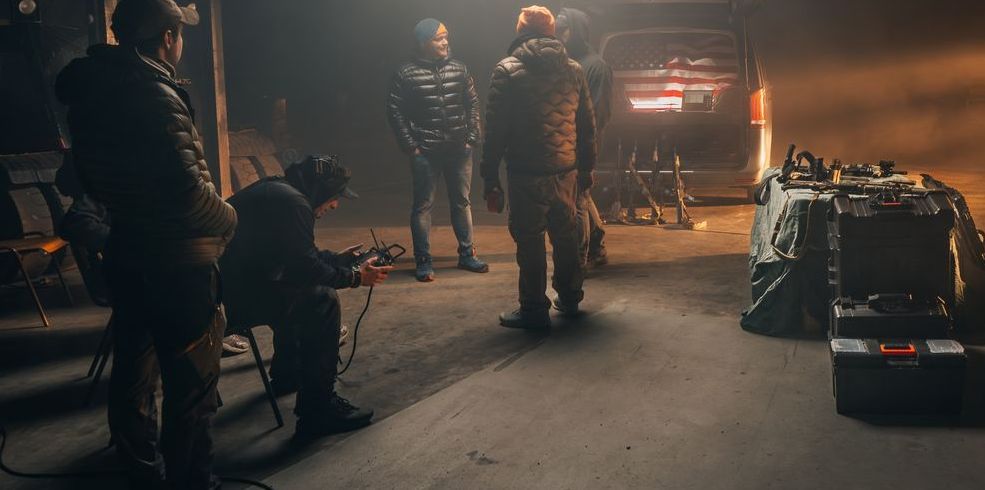
Stunt Coordinator Ferdi on a Dunlop Commercial
Over the shoulder view of two precision drivers listening as action director Ferdi Fischer briefs them on the next stunt for a Dunlop commercial, his face framed in a portrait style shot on a cold outdoor set.
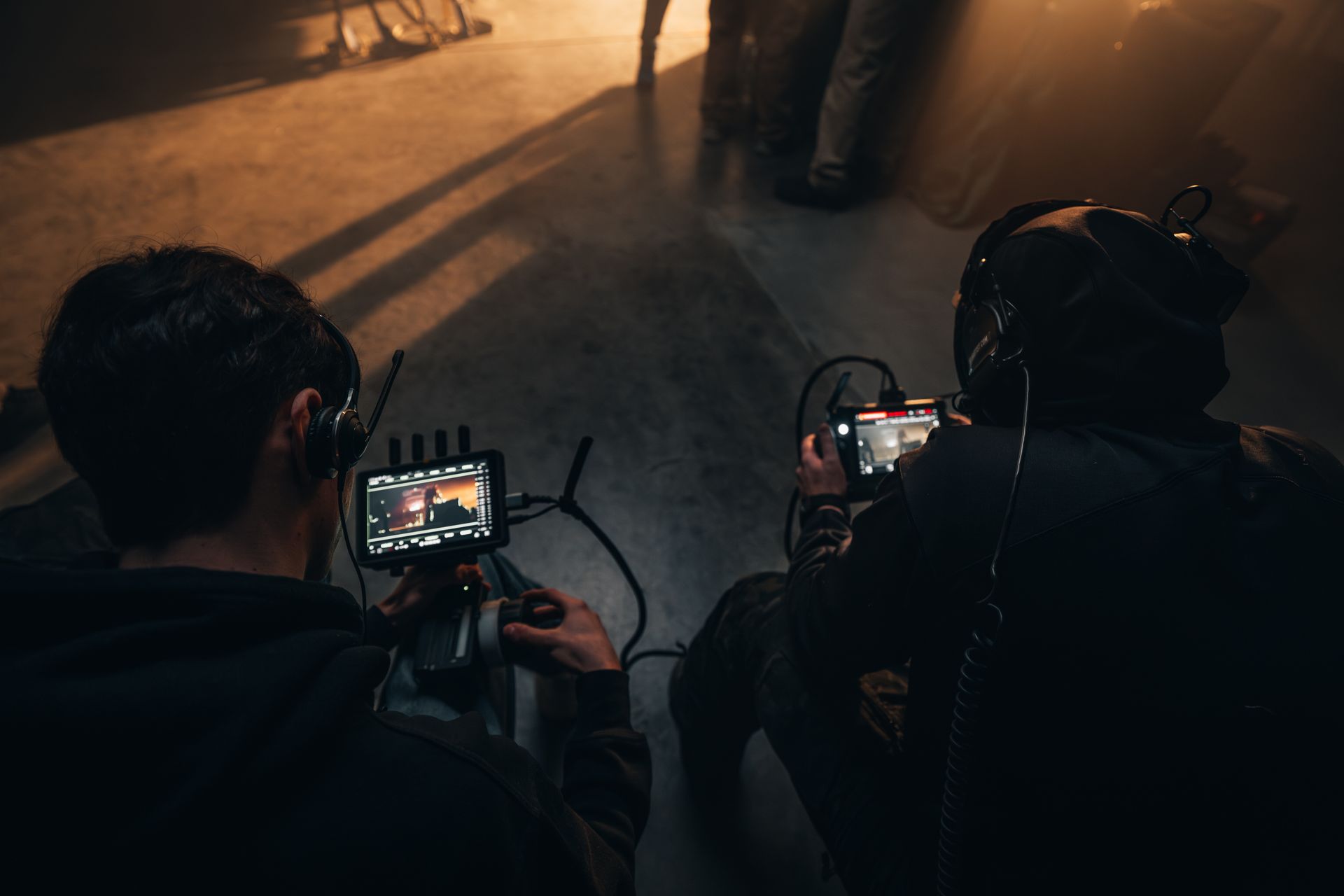
Ferdi setlife
Stunt coordinator Ferdi is captured in a side view, holding a monitor in one hand while he intently watches the action displayed on the screen.
FROM STUNT DESIGN TO CONTROLLED EXECUTION
Fight Design is a specialised layer within the wider Stunt Design of a production. As Fight Coordinator, Ferdi Fischer translates creative intent into rehearsed, repeatable action—aligning cast preparation, stunt performers, timing, agreed safety parameters and the realities of the set.
Rehearsal and stuntvis build the sequence in clear beats before the pressure of the shooting day. Camera, props, costume, art department, visual and practical effects, locations and production can work from one shared visual blueprint while changes remain controllable.
This integrated SlamArtist approach keeps story, performer, Stunt Design and camera design connected from first breakdown to final take. The result is action that stays readable, specific and production-ready—without separating creative impact from responsible execution.
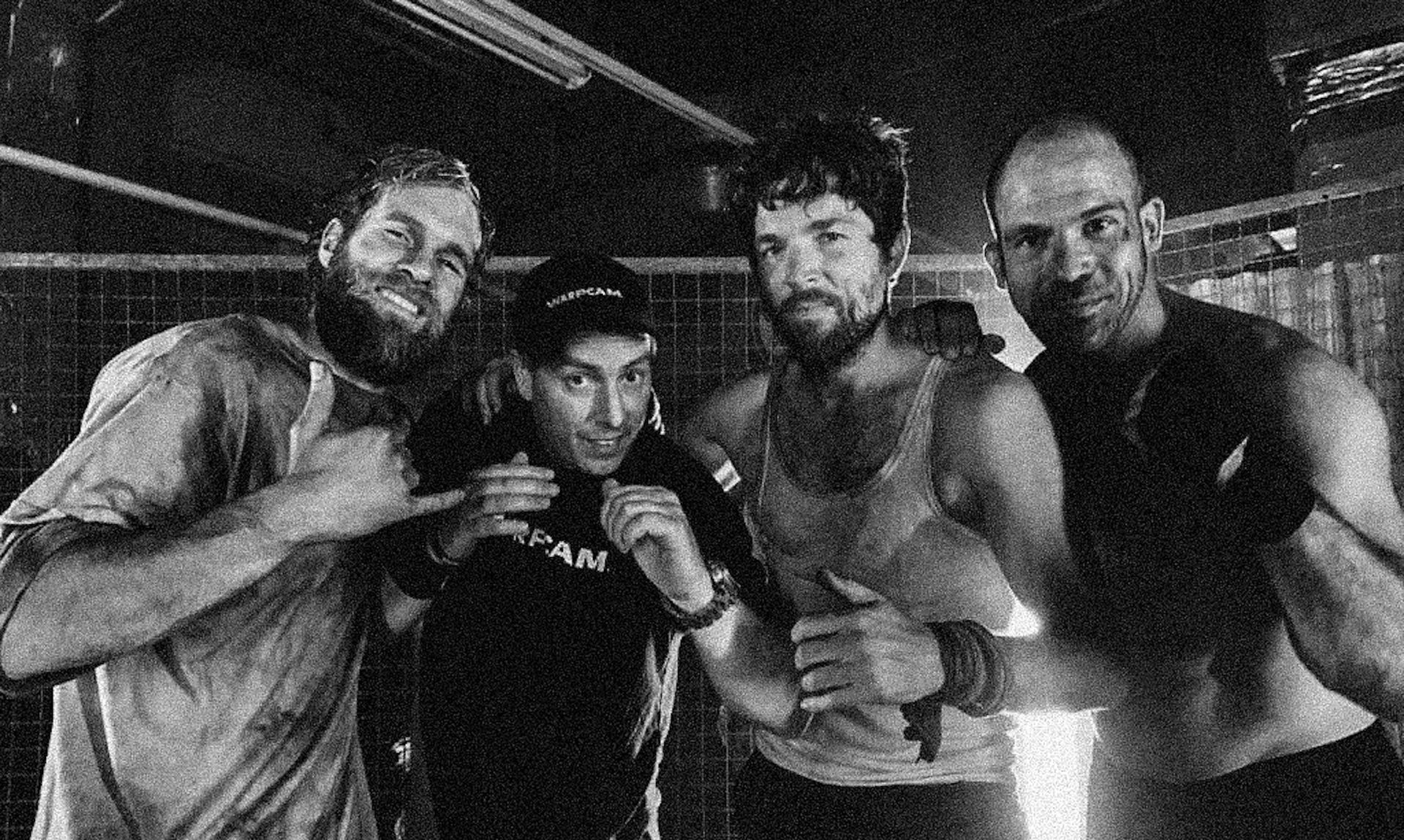
SoKo Stuttgart – Ferdi Fischer with Cast after Fight Choreography
Ferdinand Fischer with Peter Ketnath, Mathis Landwehr and Wanja Götz on the SoKo Stuttgart set, after choreographing and coordinating their fight scene.
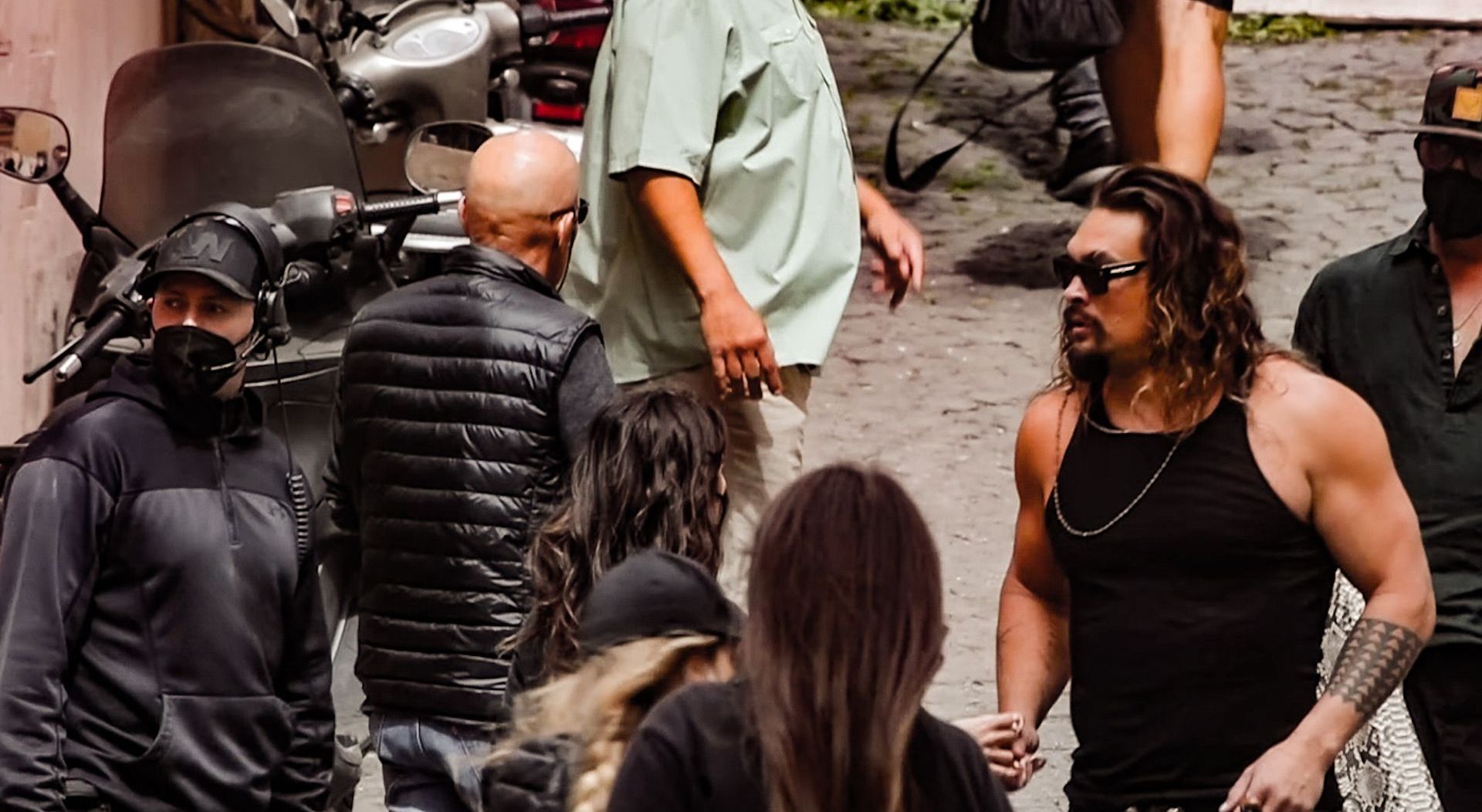
Fast X – Ferdi Fischer and Jason Momoa on Set
On the Fast X set with action camera operator Ferdi Fischer and Jason Momoa.
FIGHT DESIGN / FIGHT COORDINATION FAQ
What is Fight Design?
Fight Design is the process of turning physical conflict into story-driven action for the screen. It combines script and character analysis, choreography, performance, Stunt Design, camera planning, rehearsal and controlled execution.
The goal is not simply to create more movement or harder hits. Every beat should reveal intention, change the balance between characters and remain visually clear from the chosen camera positions.
A complete Fight Design plan gives cast, stunt team, director and all affected departments one shared roadmap for rehearsal and filming.
How does Fight Design differ from Stunt Design?
Fight Design focuses on the narrative, physical and cinematic language of combat: why characters fight, how they move, how power shifts and how the action is captured. Stunt Design covers the wider architecture of physical action, which may also include falls, rigs, vehicles, fire or other specialist work.
The exact division of responsibilities depends on the production. At SlamArtist, both areas are developed in close coordination so fight choreography, performer preparation, camera design and broader stunt requirements support one creative plan.
What do Fight Coordinator, Fight Koordinator and Fight Choreograf mean?
Fight Coordinator is the common English title. German productions may also use Fight Koordinator, Fight Choreograf or Kampfchoreograf. Credits and responsibilities vary between productions.
At SlamArtist, the role connects narrative intention, choreography, performer preparation and camera-aware execution within the wider Stunt Design. When the work is credited specifically as Fight Choreographer, the emphasis is usually on movement design; Fight Coordinator typically carries the broader production and supervision responsibilities.
When should a Fight Coordinator join the production?
As early as possible—ideally while the script, location and visual concept can still influence each other. Early involvement allows movement, environment, performer preparation, camera, stuntvis and visual-effects requirements to be developed as one design instead of being added separately on the shooting day.
It also gives production a clearer view of rehearsal time, specialist personnel, props, protection and coverage needs before schedule and budget are locked.
Do you work with actors and stunt performers?
Yes. The choreography is shaped around character, physical ability, training time and the needs of the edit. Rehearsals break the sequence into clear, repeatable beats and establish how actors, doubles, camera and supporting departments work together.
A professional assessment determines which beats belong with the actor and which are better performed by a stunt double. The aim is to protect performance quality, continuity and the people involved while keeping the character present in the action.
How are fight scenes rehearsed?
Rehearsals begin slowly and in clearly defined sections. Performers learn intention, footwork, distance, eyelines, reactions and safety cues before the beats are connected into a repeatable sequence. Speed is added only when control and communication are established.
Video rehearsals or previs can then test angles, lenses, camera movement and editing options. The Fight Coordinator uses those results to refine choreography, plan coverage and give every department a reliable map for the shooting day.
How do camera and editing shape Fight Design?
Screen combat is designed for a specific point of view. Camera height, lens choice, distance, movement direction and eyelines determine whether a strike reads, whether geography remains clear and how much force the audience feels.
The Fight Choreograf therefore develops movement together with camera and intended edit rhythm. Good Fight Design creates strong options for coverage without losing continuity, character or the illusion of impact.
How can WarpCam® become part of the fight?
WarpCam® can be designed into the sequence from the start. Instead of treating camera coverage as a separate layer, performer paths, camera paths, working distance and lens choices can be explored together during rehearsal and stuntvis.
Where it serves the story, this brings the lens closer to movement while preserving screen geography, performance and cause-and-effect. The system is selected and configured only when it adds real value to the sequence.