




STUNT PERFORMANCE
Stunt Performance for International Productions
IN ONE TAKE
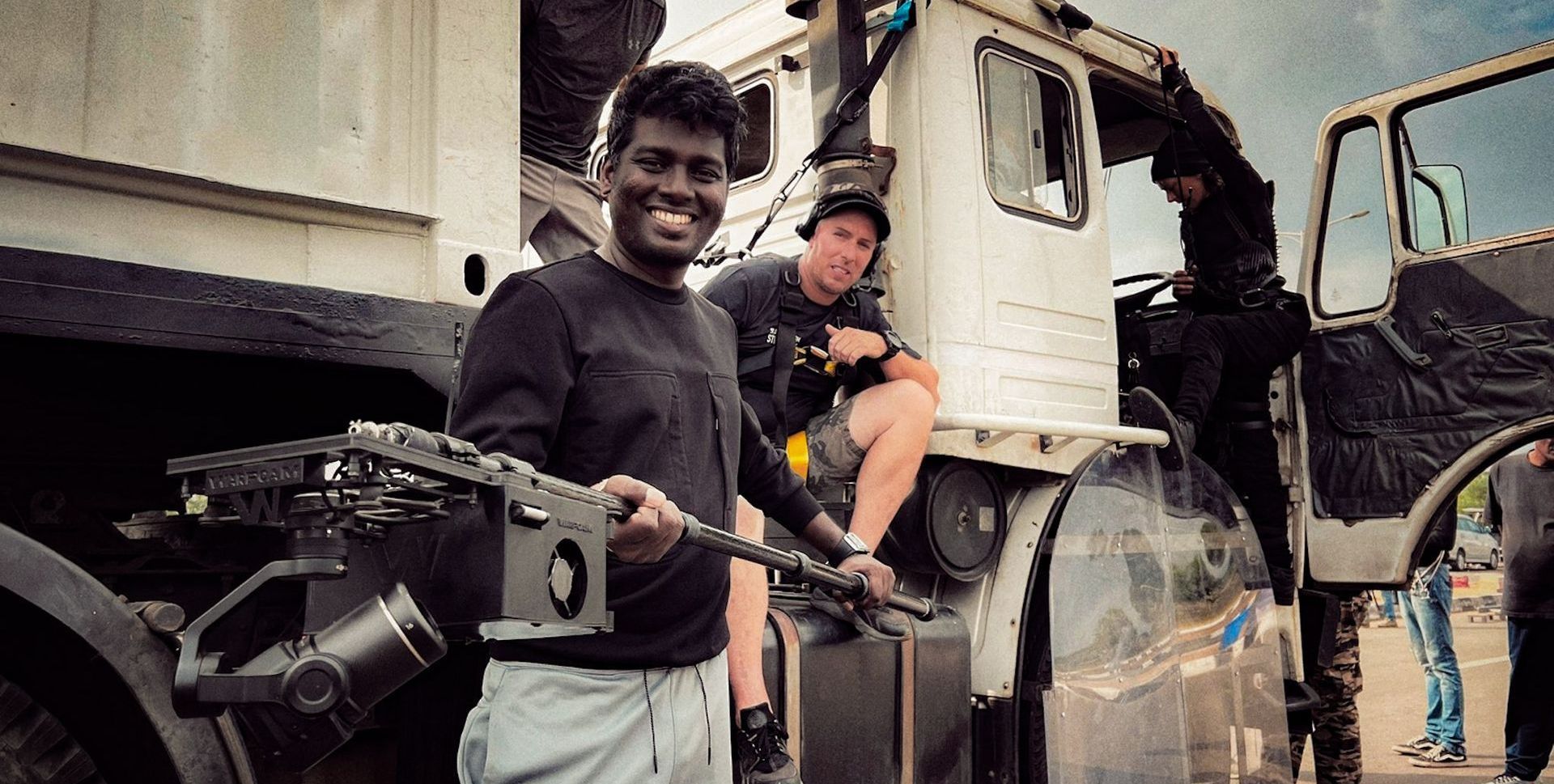
Book Ferdi Fischer as a stunt performer for your production. His work on Fast X, The Gray Man and Jawan includes Stunt Performance and WarpCam®. On The Gray Man, he also worked as Action Director. Stunt Performance can be booked independently. Stunt Performance at SlamArtist is physical storytelling under real production conditions. Ferdi Fischer connects character, movement, timing and camera awareness from rehearsal to final take. Whether the credit reads Stunt Performer, Stuntman, Stuntwoman or—in French—cascadeur or cascadeuse, the standard is the same: arrive prepared, understand the Stunt Design, support the team and perform within clearly understood capabilities.
PERFORM THE CHARACTER, NOT THE TRICK
A fall, hit or reaction is never only a physical event. It carries fear, fatigue, intention, status and consequence. A strong Stunt Performer asks what the character wants, what changes in the beat and what must remain readable when the moment is cut into the scene.
That means studying more than the stunt itself. Movement quality must fit the actor, costume, environment, story world and continuity before and after impact. When doubling, posture, tempo and behavioural detail help keep the character—not the technique—at the centre of the performance.
Camera awareness completes the work. Eyelines, marks, screen direction, lens distance and repeatable timing are part of the craft, giving direction and editorial coherent action across angles without making the performance feel mechanical.
Tactical Precision in Action
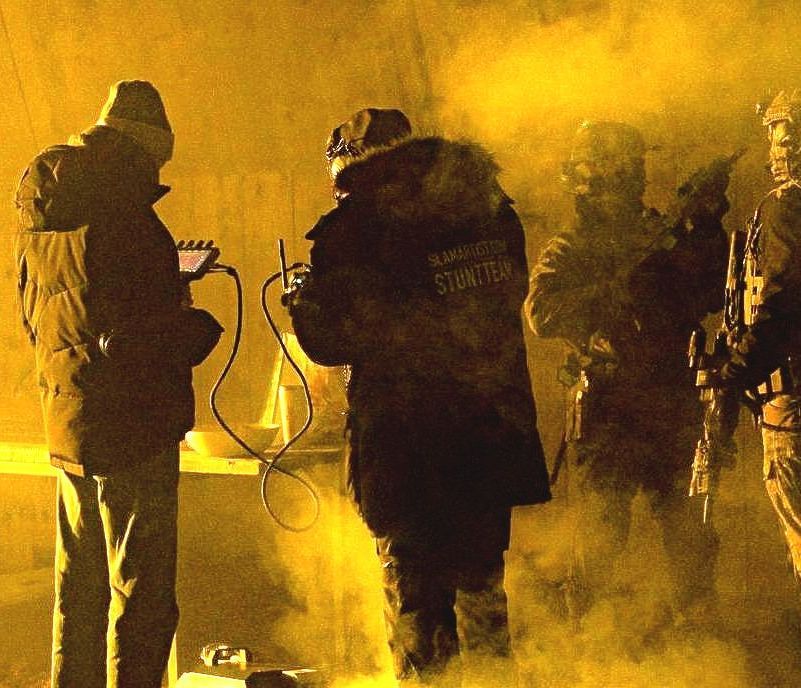
This photograph subtly captures the precision of three special operations soldiers as they clear a room. The focus is on both their coordinated movements and the methodical way the scene is shot, highlighting the simplicity and effectiveness of their teamwork in a high-stress environment.
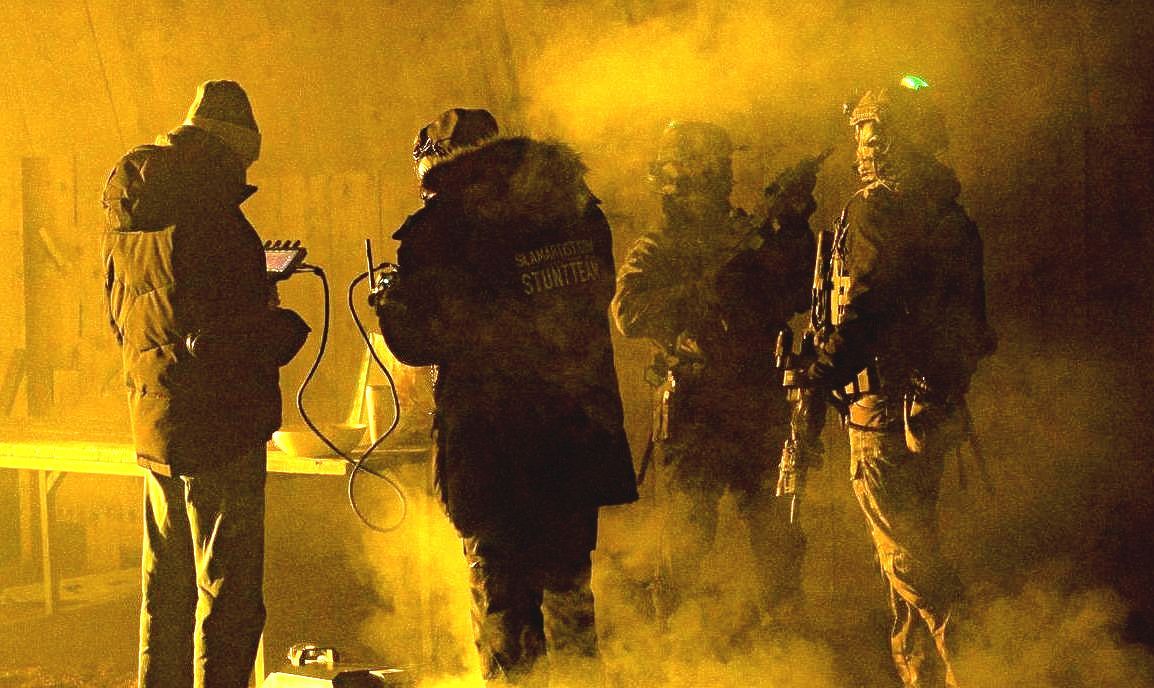
Directing on the Frontlines
This image showcases Ferdi Fischer in action, both directing and operating the WarpCam® alongside special operations soldiers. It captures the dual expertise of Ferdi as he blends cinematic technique with tactical operations, emphasizing the collaborative effort required to achieve authentic and impactful scenes.
KNOW THE MOVE. KNOW YOUR LIMITS.
Professionalism begins with honest self-assessment. High falls, fights and body stunts demand different skills, conditioning and experience. A Stunt Performer needs to know their strengths, weaknesses and current readiness—where preparation is needed and when the right answer is to recommend another specialist.
That judgement is not hesitation; it is part of the craft. Conditions can change, and a performer must communicate concerns, report relevant changes and reassess the plan with the responsible Stunt Coordinator before action. Nothing is improved by concealing fatigue, uncertainty or a missing skill.
Through rehearsal, agreed cues, progressive pacing and clear communication, Stunt Design becomes something the team can perform consistently. The aim is not bravado. It is a committed performance built on preparation, consent and control.
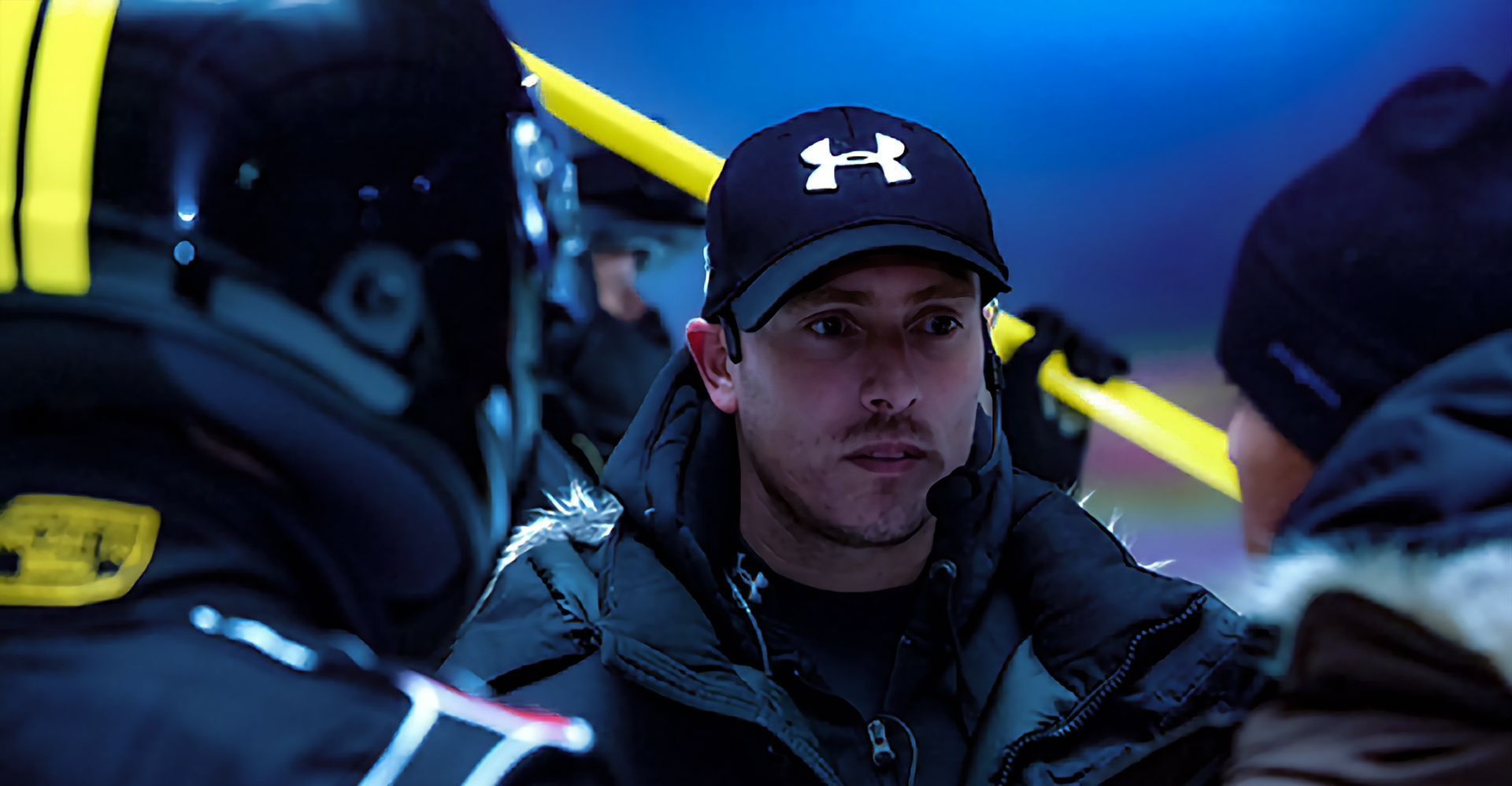
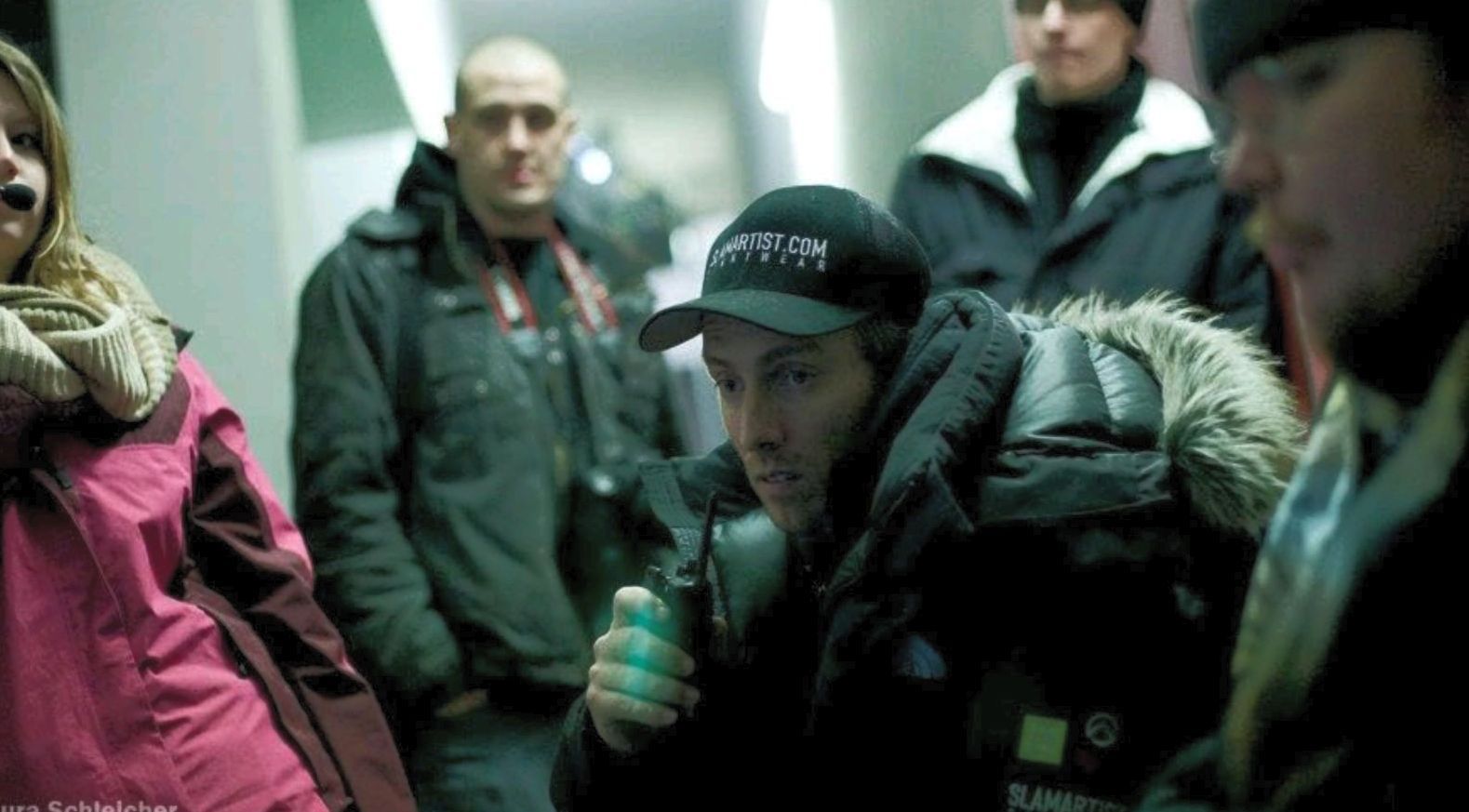
Stunt Coordinator Ferdi on a Dunlop Commercial
Over the shoulder view of two precision drivers listening as action director Ferdi Fischer briefs them on the next stunt for a Dunlop commercial, his face framed in a portrait style shot on a cold outdoor set.
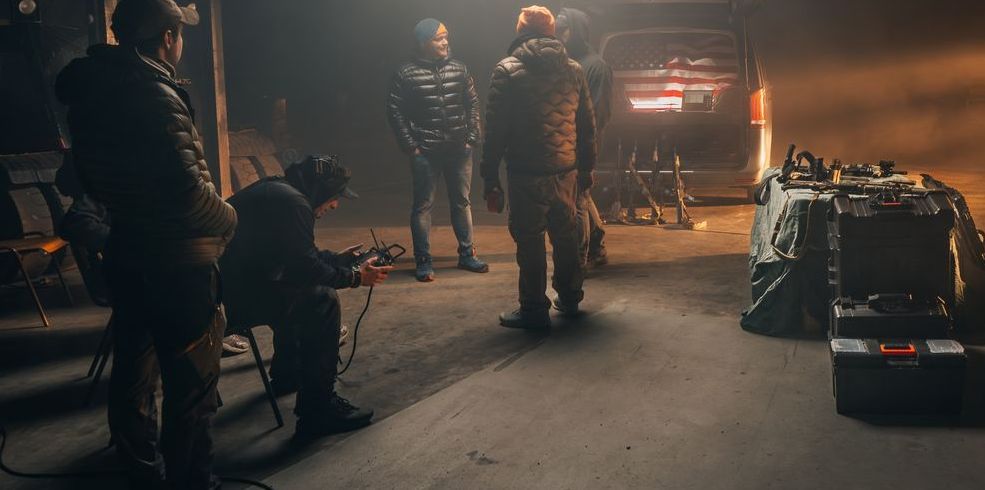
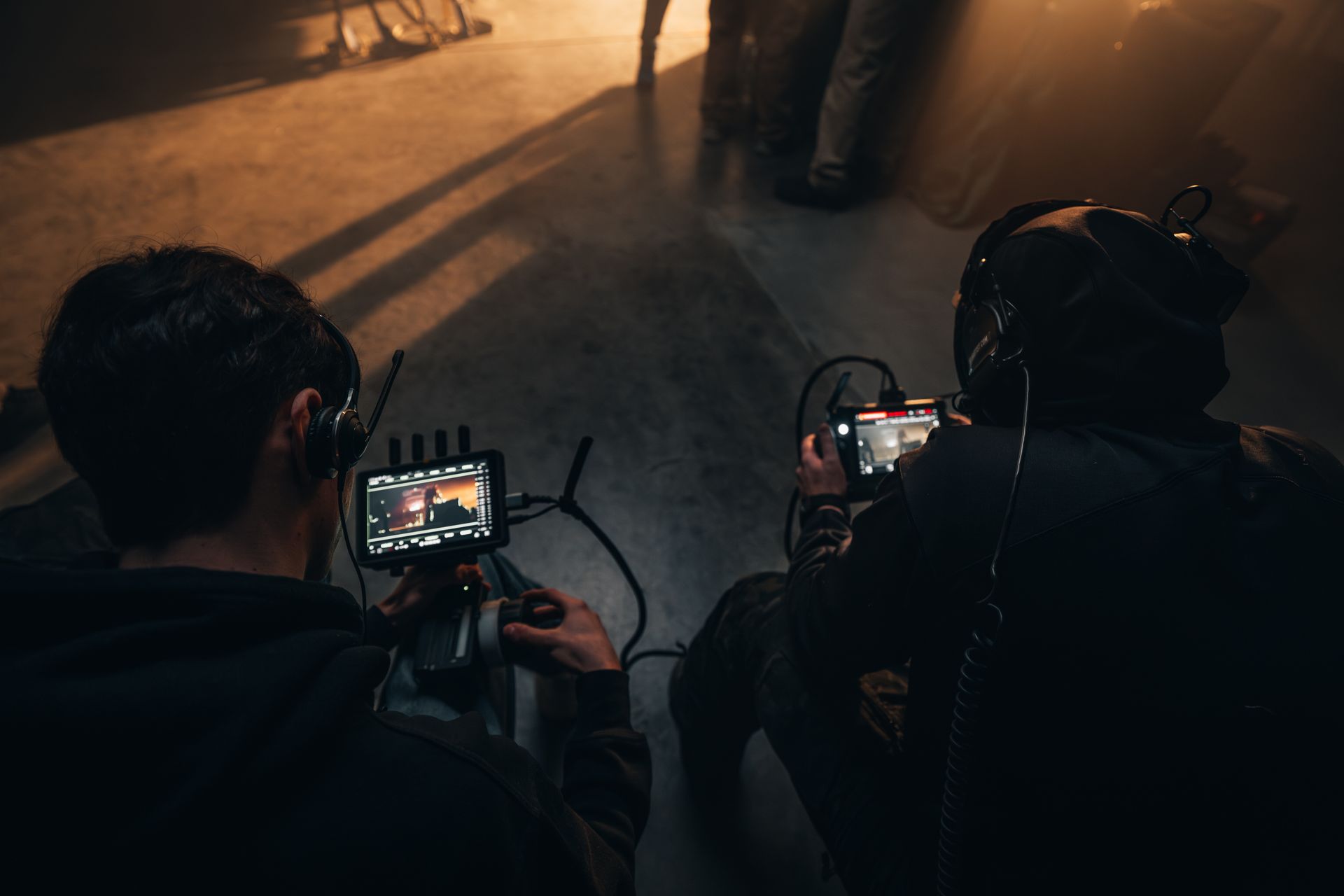
Ferdi setlife
Stunt coordinator Ferdi is captured in a side view, holding a monitor in one hand while he intently watches the action displayed on the screen.
THE JOB IS BIGGER THAN THE TAKE
A professional Stunt Performer contributes before and after the featured action. Under the Stunt Coordinator’s direction, that can mean helping to position and reset mats or protection, spotting when assigned and qualified, supporting rehearsal partners, clearing the working area and preserving continuity between takes.
This work is not secondary. It is how the team protects its focus, catches small changes and maintains a repeatable system under production pressure. Strong stunt teams share information, respect responsibilities and stay useful without stepping outside their roles.
When WarpCam® is part of a sequence, the moving camera becomes another performance partner. Ferdi can develop performer paths, camera paths, working distance and timing together during rehearsal, allowing the technology to serve the character and Stunt Design rather than distract from them.
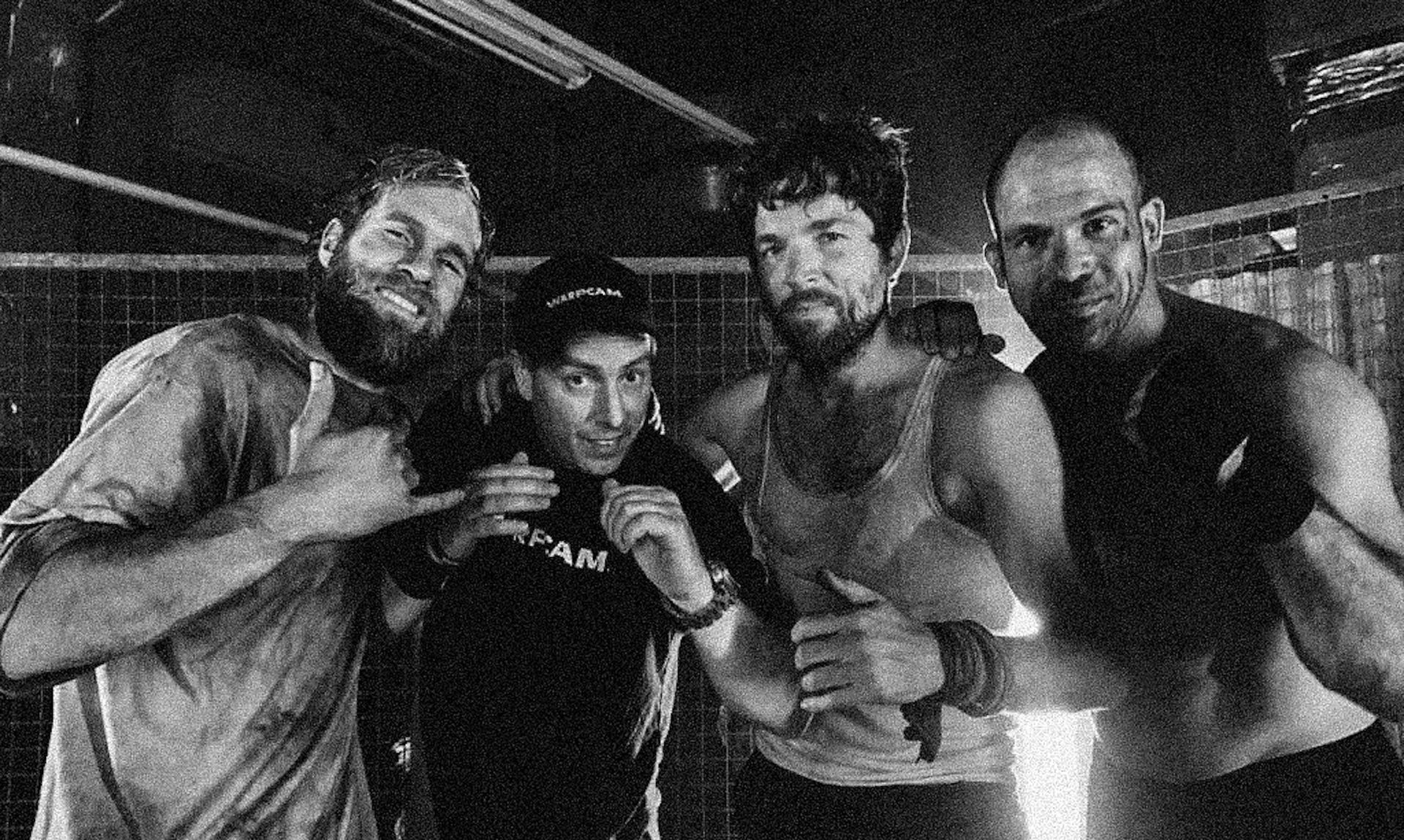
SoKo Stuttgart – Ferdi Fischer with Cast after Fight Choreography
Ferdinand Fischer with Peter Ketnath, Mathis Landwehr and Wanja Götz on the SoKo Stuttgart set, after choreographing and coordinating their fight scene.
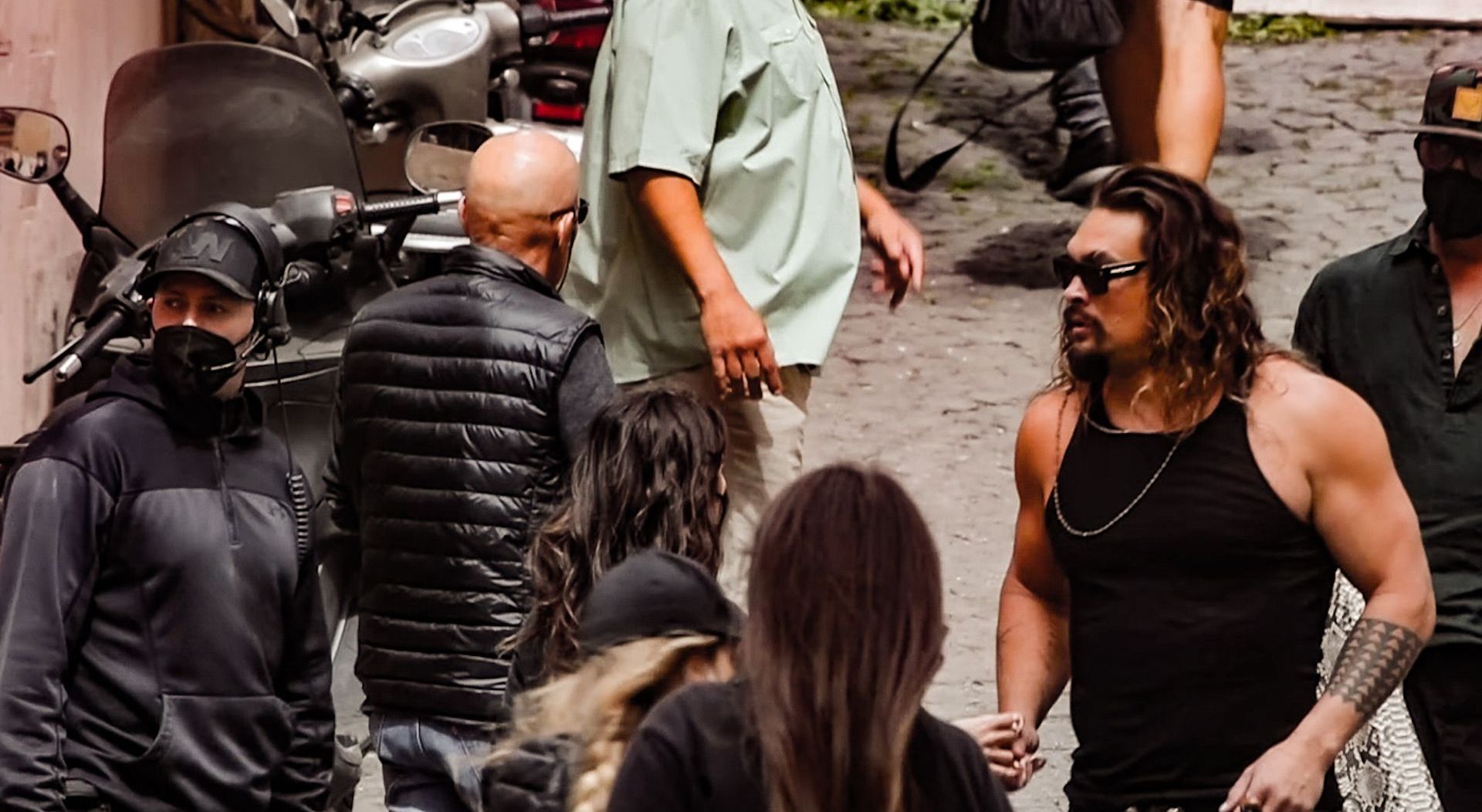
Fast X – Ferdi Fischer and Jason Momoa on Set
On the Fast X set with action camera operator Ferdi Fischer and Jason Momoa.
STUNT PERFORMANCE / STUNT PERFORMER FAQ
How Does One Become a Stunt Performer?
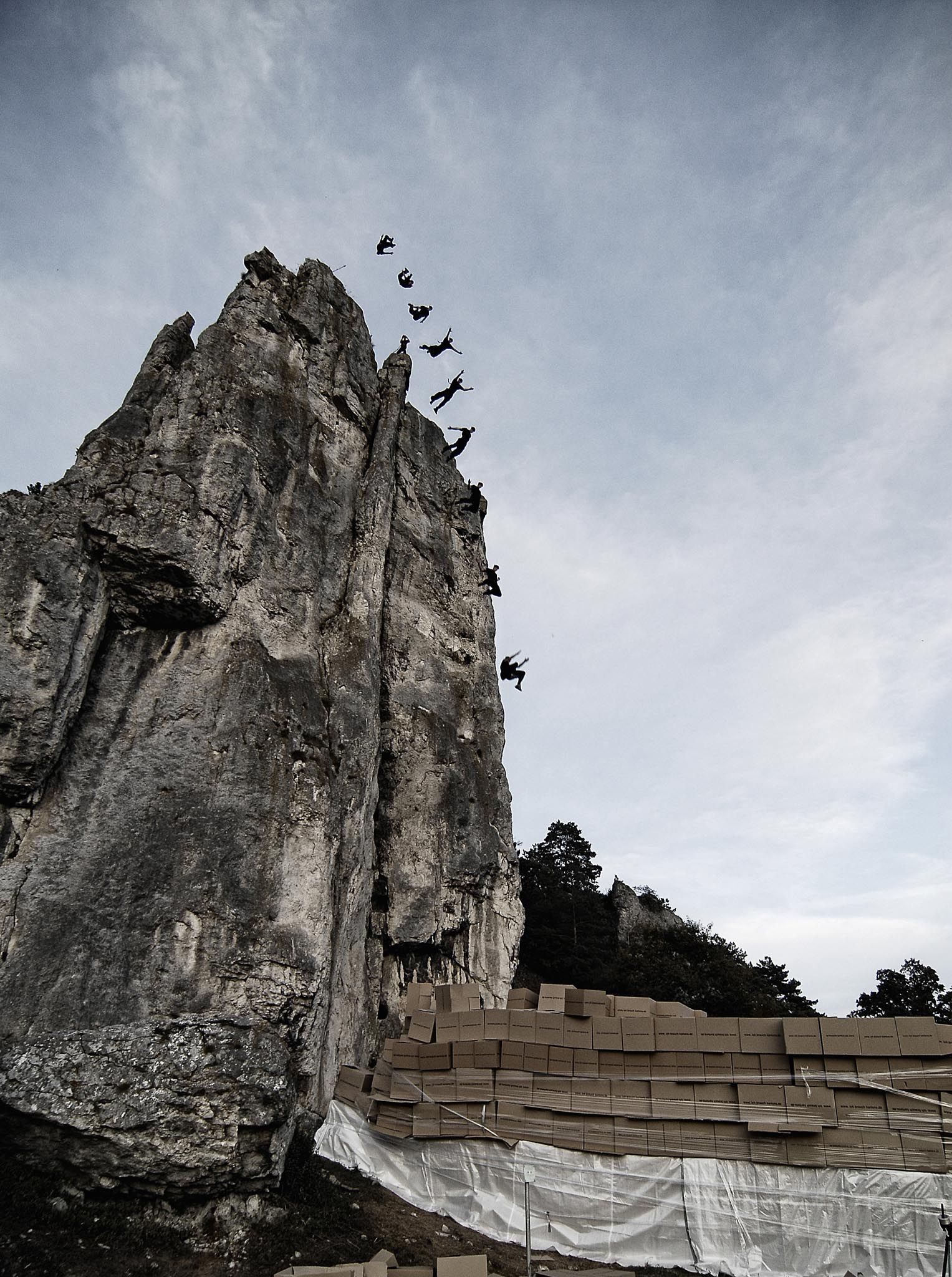
Becoming a stunt performer requires a blend of physical prowess, technical training, and an understanding of the film-making process. Here’s a comprehensive guide:
- Physical Fitness and Skill Development: Aspiring stunt performers must maintain excellent physical condition and develop a broad range of skills. Training in martial arts, capoeira, and gymnastics provides agility and combat skills. Expertise in specific areas like skateboarding, professional driving, diving, or rock climbing can also be advantageous.
- Formal Training and Certifications: Enroll in stunt training programs that cover basic and advanced stunt techniques, safety protocols, and the use of rigging equipment. Obtaining relevant certifications, such as in fire safety or scuba diving, enhances both skill set and employability.
- Understanding Film Production: A general interest in all aspects of film production, particularly camera work, is highly beneficial. Knowledge of camera angles, lenses, and how stunts appear on screen can help performers better position themselves and execute stunts that are both safe and visually compelling.
- Networking and Industry Experience: Build connections by attending film and stunt-specific events. Networking with stunt coordinators and other film industry professionals is crucial for gaining insights and opportunities.
- Build a Portfolio and Resume: Document your skills and experiences in a professional portfolio and resume. This should showcase a diverse set of skills and highlight any specialized stunt performances.
- Join a Professional Association: Membership in a professional stunt association can provide access to additional training, job listings, and important industry updates.
- Gain Experience: Start with smaller roles to build your reputation and skill set. Experience across various types of stunts can lead to more significant opportunities.
- Continuous Learning and Adaptation: Stay updated with the latest stunt techniques, safety standards, and film technologies. Continuous education is essential as the industry evolves.
By following these steps, you can lay a strong foundation for a career as a stunt performer, combining physical skills with a deep understanding of the cinematic context in which stunts are performed.
What Skills Are Essential for a Stunt Performer?
Physical Skills:
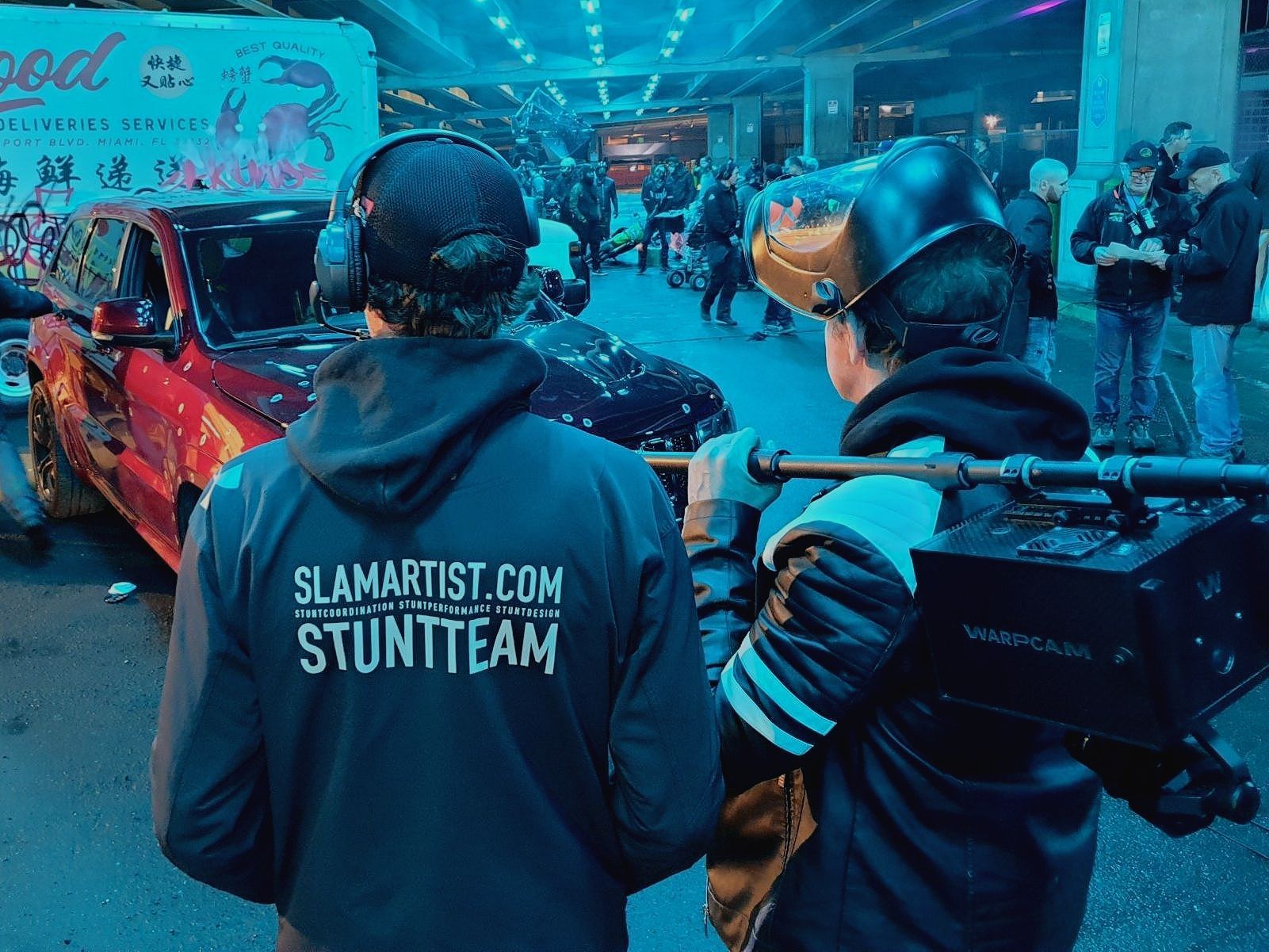
Proficiency in various physical disciplines is crucial for a stunt performer. These include martial arts for executing fight scenes convincingly and safely, gymnastics for enhancing body control, flexibility, and the ability to perform flips and acrobatic maneuvers. High-level driving skills are necessary for performing car stunts, including high-speed chases and complex maneuvers. Strong swimming abilities are essential for underwater and water-based stunts, ensuring safety and performance quality. Climbing and parkour skills are vital for dynamic and urban stunts, providing the ability to navigate and perform in challenging environments. Experience in skateboarding can contribute to balance, agility, and the ability to perform complex movements and stunts. Additionally, proficiency in sports like cycling and BMX can enhance balance, coordination, and the ability to handle high-speed, high-risk maneuvers. Snowboarding and skiing skills can be beneficial for performing stunts in snowy or mountainous terrains.
Mental Skills:
Mental skills are often more critical than physical skills for a stunt performer. The ability to stay mentally stable after long hours and under immense pressure is vital. Quick reflexes are necessary to respond promptly to unexpected situations during stunts. Mental toughness allows performers to stay calm and focused under pressure, maintaining clarity and precision. Adaptability is crucial for being flexible and able to adjust to different roles, environments, and unexpected changes. Routine can become dangerous if a performer becomes complacent, so staying mentally alert and aware is essential to avoid accidents. Emotional resilience, or the ability to handle stress, recover from setbacks, and maintain a positive attitude, is crucial for longevity in the industry.
Additional Skills:
In addition to physical and mental skills, several other abilities can enhance a stunt performer’s career. Basic acting skills help stunt performers blend seamlessly into scenes and deliver performances that require character-driven actions. Teamwork is essential for collaborating effectively with directors, actors, and crew members, ensuring smooth and safe stunt execution. Creative problem-solving skills are required to devise safe and effective stunt sequences, especially when faced with unique challenges. With the global nature of the film industry, speaking at least two languages, including English, is important. Knowledge of additional languages can be advantageous in international productions.
What Training Programs Are Available for Aspiring Stunt Performers?
Stunt Schools:
There are several reputable stunt schools that offer comprehensive training programs. You can google them to find the nearest to your location.
Workshops and Seminars:
Workshops and seminars are another excellent way to gain stunt training. The Institute for acting Mallorca hosts regular workshops led by experienced stunt professionals, covering advanced techniques and safety protocols and fight scenes. Local theater and film workshops often offer courses in stage combat and basic stunt work, providing a good starting point for beginners.
Online Courses:
Online courses provide flexibility and accessibility for aspiring stunt performers. Platforms like Udemy and MasterClass offer courses taught by renowned stunt coordinators and performers, covering various aspects of stunt work. YouTube also has numerous free tutorials that cover basic stunt techniques, fitness routines, and safety tips.
Mentorship and Apprenticeship:
One of the best ways to learn the craft is through mentorship and apprenticeship programs. Interning with a well-known and busy stunt team can provide invaluable hands-on experience. Shadowing experienced stunt performers and coordinators allows aspiring stunt professionals to learn the ropes, gain practical insights, and build industry connections.
Industry Internships:
Many production companies offer internships where aspiring stunt performers can gain practical experience on set. These internships provide an opportunity to observe and participate in the planning and execution of stunts, learning directly from industry professionals.
Apprenticeship Programs:
Apprenticeship programs are structured opportunities where aspiring stunt performers can train under the guidance of seasoned professionals. These programs often include comprehensive training in various stunt disciplines, safety protocols, and on-the-job learning experiences.
These training programs, combined with practical experience gained through internships and apprenticeships, provide a solid foundation for aspiring stunt performers to develop their skills and advance their careers in the stunt industry.
How Do Stunt Performers Ensure Safety During Stunts?
Safety Protocols:
Safety is the top priority in the stunt industry. Before any stunt is performed, detailed safety protocols are established. Pre-stunt meetings are held to discuss the plan and ensure that every team member understands their role and the safety measures in place. Thorough risk assessments are conducted to identify potential hazards and develop strategies to mitigate them.
Rehearsals:
Rehearsals are crucial for ensuring safety. Stunt performers practice the stunt multiple times to perfect their movements and timing. This repetition helps identify any issues and allows for adjustments to be made before the actual performance. Rehearsals also ensure that all team members are synchronized and aware of their surroundings during the stunt.
Safety Equipment:
Various types of safety equipment are used to protect stunt performers. Protective gear, such as helmets, knee pads, elbow pads, and body armor, is worn to minimize the risk of injury. Harnesses and rigging systems are used for high falls, wire work, and aerial stunts, providing support and control. Crash mats and airbags are strategically placed to cushion falls and impacts, reducing the risk of serious injuries.
Emergency Preparedness:
In addition to using safety equipment, having emergency medical personnel and equipment on standby is essential. This ensures that any injuries sustained during a stunt can be treated immediately, minimizing the potential for long-term harm.
Illusions of Danger:
Being a stunt performer is akin to being a magician. Many stunts involve tricks and bluffs to create the illusion of danger while maintaining a high level of safety. By using camera angles, special effects, and controlled environments, stunts can appear incredibly perilous without putting the performer at undue risk.
Continuous Training:
Stunt performers undergo continuous training to keep their skills sharp and stay updated on the latest safety techniques. Regular safety drills and refresher courses help maintain a high level of preparedness. Stunt performers also stay physically fit and mentally alert, which is critical for performing stunts safely and effectively.
These comprehensive safety measures ensure that stunt performers can execute their stunts with confidence, knowing that their well-being is prioritized at every stage of the process.
What Are the Career Opportunities for Stunt Performers?
Film:
Stunt performers have numerous opportunities in the film industry. They are essential for action sequences, fight scenes, and various high-risk scenarios that actors cannot safely perform. Working on film sets offers the chance to be part of major productions, from Hollywood blockbusters to independent films. This path often requires a strong network and a solid reputation within the industry.
Television:
Television productions also provide significant opportunities for stunt performers. TV shows, especially those in genres like action, drama, and science fiction, frequently require stunt work. The increasing production of high-quality TV series means there is a growing demand for skilled stunt performers who can deliver consistent, high-quality stunts on a regular basis.
Live Shows:
Live shows, such as theater productions, circuses, and theme park performances, offer unique career opportunities for stunt performers. These shows often include live-action sequences, acrobatics, and fight scenes that require precise timing and execution. Working in live shows provides the thrill of performing in front of an audience and the opportunity to travel with touring productions.
Theme Parks:
Many theme parks feature stunt shows as part of their attractions. These shows often include high-energy performances with fight scenes, car chases, and pyrotechnics. Stunt performers in theme parks enjoy steady work and the chance to entertain large audiences. Additionally, theme parks often offer the opportunity to work on new and innovative stunt shows as part of their entertainment lineup.
Motion Capture for Video Games:
Stunt performers are increasingly in demand for motion capture work in the video game industry. Motion capture involves recording the movements of performers to create realistic animations for characters in video games. This work requires precise physicality and the ability to perform a wide range of movements. Motion capture projects can include combat sequences, acrobatics, and other dynamic actions, providing another avenue for stunt performers to showcase their skills.
Advancement Opportunities:
Stunt performers can advance to higher roles within the industry. Experienced performers often become stunt coordinators, responsible for planning and overseeing all stunts in a production. This role involves choreographing stunts, ensuring safety, and working closely with directors and actors. Another advancement opportunity is becoming a second unit director, where the focus is on directing action sequences and stunts, providing a broader scope of creative input in the filmmaking process.
Specialization:
Stunt performers can also specialize in particular types of stunts, such as driving, high falls, underwater stunts, or fire burns. Specializing can make a performer more marketable and open up niche opportunities in areas that require specific expertise.
International Work:
With the global nature of the entertainment industry, stunt performers have opportunities to work internationally. Productions around the world seek skilled stunt professionals, offering the chance to work in diverse environments and cultures.
These career paths provide a wide range of opportunities for stunt performers, allowing them to apply their skills in various settings and continually advance their careers within the dynamic and exciting stunt industry.
How Do Stunt Performers Find Work?
Networking:
Networking is crucial for finding work as a stunt performer. Building relationships with industry professionals, such as directors, stunt coordinators, and fellow stunt performers, can lead to job opportunities. Attending industry events, film festivals, and workshops is a great way to meet potential employers and collaborators. Maintaining a positive reputation and being reliable and professional on set can also help in getting referrals for future work.
Joining Stunt Associations:
Joining stunt associations can significantly enhance a stunt performer's career. These organizations provide valuable resources, networking opportunities, and job listings. They often have directories where members can list their skills and experience, making it easier for producers and coordinators to find qualified stunt performers.
Finding an Agent:
Having an agent can be beneficial for finding work and negotiating contracts. An agent can help connect stunt performers with job opportunities, negotiate better pay and working conditions, and provide career guidance. It's important to research and find an agent who has a good track record in the stunt industry and understands the unique demands of stunt work.
Creating a Stunt Reel:
A stunt reel is an essential tool for showcasing your skills and experience. Here are some tips for creating an effective stunt reel: Keep it concise, aiming for a reel that is 2-3 minutes long, highlighting your best work. Showcase a variety of stunts to demonstrate your versatility, such as fight scenes, high falls, car stunts, and more. Focus on high-quality footage that clearly shows your abilities. Ensure the reel is well-edited, with smooth transitions and clear visuals. Include your contact information, making it easy for potential employers to reach you.
Building a Portfolio:
In addition to a stunt reel, having a comprehensive portfolio is important. Your portfolio should include a resume detailing your experience, training, and any notable projects you have worked on. Include high-quality photos that showcase different aspects of your stunt work. List any relevant certifications, such as first aid, scuba diving, or driving licenses. Provide references from industry professionals who can vouch for your skills and professionalism.
Online Presence:
Maintaining an online presence is also important in today's digital age. Create a professional website where you can host your stunt reel, portfolio, and contact information. Use social media platforms like Instagram, LinkedIn, and Facebook to connect with industry professionals and share updates about your work.
Continuous Learning:
Continuous learning and training are key to staying competitive in the stunt industry. Regularly attend workshops, take new courses, and stay updated on the latest techniques and safety protocols. This not only improves your skills but also shows potential employers that you are dedicated to your craft.
By following these steps, stunt performers can effectively find work and build a successful career in the stunt industry.
What Is the Typical Day Like for a Stunt Performer?
A typical day in the life of a stunt performer is varied and dynamic, often requiring a high degree of flexibility and adaptability. Here's an overview of what a day might look like:
Training:
The day often starts early with physical training. Stunt performers need to maintain peak physical condition, so their morning routine may include a combination of strength training, cardio, flexibility exercises, and specific skill practices such as martial arts, gymnastics, or parkour. Consistent training is essential to keep skills sharp and bodies prepared for the physical demands of stunt work.
Rehearsals:
After training, stunt performers usually head to rehearsals. These can take place on set or at a dedicated rehearsal space. Rehearsals are critical for planning and perfecting the stunts to be performed. This involves working closely with stunt coordinators, directors, and other performers to choreograph and practice the movements until they are executed flawlessly and safely. Rehearsals may involve multiple takes to ensure every aspect of the stunt is well-rehearsed and any potential issues are addressed.
Filming:
When it's time to film, stunt performers need to be ready for anything. The nature of filming can be unpredictable, with changes to the schedule, weather conditions, and last-minute adjustments to the stunt itself. On set, performers must remain focused and flexible, ready to perform their stunts under the guidance of the director and stunt coordinator. This can involve waiting for long periods before being called to action, requiring patience and mental preparedness.
Safety Checks:
Before performing any stunt, thorough safety checks are conducted. This includes inspecting equipment, ensuring safety gear is properly fitted, and rehearsing the stunt one final time to confirm all safety measures are in place. Stunt performers often work closely with safety personnel to ensure that every precaution is taken.
Performing the Stunt:
Performing the actual stunt is the culmination of all the preparation and rehearsal. This can be both exhilarating and demanding, requiring absolute focus and precision. Depending on the complexity of the stunt, multiple takes may be necessary to capture the perfect shot.
Post-Filming Routine:
After filming, there may be additional rehearsals for upcoming scenes or debriefing sessions to review the day's work. Stunt performers also spend time cooling down and recovering from the physical exertion of the day, which might include stretching, ice baths, or visiting a physiotherapist to address any strains or injuries.
Unpredictable Nature and Flexibility:
The job of a stunt performer is inherently unpredictable. Schedules can change rapidly, and new challenges can arise at any moment. Flexibility is crucial, as performers must be able to adapt to new situations, perform under varying conditions, and sometimes take on unexpected stunts at short notice.
Continuous Learning:
Even after a full day of training, rehearsals, and filming, many stunt performers continue to hone their craft by learning new skills, studying films, and staying updated on the latest industry techniques and safety protocols. Continuous improvement is key to maintaining a successful career in the stunt industry.
Overall, the life of a stunt performer is demanding but highly rewarding, filled with excitement, constant learning, and the satisfaction of bringing thrilling action to life on screen.
What Are the Common Injuries and How Are They Managed?
Types of Injuries:
Stunt performers are exposed to a variety of physical risks due to the nature of their work. Common injuries include:
Bruises and Contusions: Frequent due to falls, impacts, and fight scenes. These are usually minor but can be painful.
Sprains and Strains: Often affecting wrists, ankles, and knees, caused by sudden movements or awkward landings.
Fractures: Broken bones can occur from high falls, car stunts, or heavy impacts.
Dislocations: Joints, particularly shoulders and knees, can be dislocated during intense physical activity.
Cuts and Lacerations: Sharp objects, broken glass, and other hazards on set can cause these injuries.
Concussions: Head injuries can occur from falls or blows to the head, requiring immediate medical attention.
Burns: Fire stunts carry the risk of burns, even with safety measures in place.
Management and Treatment:
Managing and treating injuries effectively is crucial for stunt performers to maintain their careers and overall health. Here's how common injuries are managed:
Immediate First Aid: On-set medical personnel provide immediate first aid for any injury. This includes cleaning and dressing wounds, applying ice packs for bruises and sprains, and immobilizing injured limbs.
Medical Evaluation: Serious injuries require evaluation by a medical professional. This may involve X-rays, MRI scans, or other diagnostic tests to assess the extent of the injury.
Rest and Recovery:
Adequate rest is essential for healing. Depending on the injury, rest periods can range from a few days to several months. Adhering to a prescribed rest and recovery plan is critical to prevent further damage.
Physical Therapy: Rehabilitation through physical therapy helps restore strength, flexibility, and mobility. A customized therapy plan aids in the recovery process and ensures a safe return to stunt work.
Pain Management: Pain relief through medications, ice, heat therapy, and sometimes more advanced treatments like corticosteroid injections can help manage discomfort.
Preventive Care:
Maintaining good health through regular exercise, proper nutrition, and adequate hydration helps prevent injuries. Stunt performers often engage in strength training, flexibility exercises, and cardiovascular workouts to keep their bodies resilient.
Protective Gear: Using appropriate protective gear such as helmets, pads, and harnesses can mitigate the severity of injuries.
Mental Health Support:
The psychological impact of injuries can be significant. Access to mental health support helps performers cope with stress and anxiety related to their injuries and recovery process.
Professional Medical Advice:
Seeking professional medical advice is paramount. Self-diagnosing or ignoring symptoms can lead to complications and prolonged recovery times. Regular check-ups with healthcare professionals ensure that any underlying issues are addressed promptly.
Continuous Health Monitoring:
Stunt performers need to monitor their health continuously. This includes regular health check-ups, staying updated on vaccinations, and being aware of any chronic conditions that may affect their performance and safety.
Maintaining good health, using protective gear, and seeking timely medical advice are essential practices for stunt performers to manage injuries effectively and sustain their careers in the demanding field of stunt work.
How Does One Build a Reputation in the Stunt Industry?
Building a solid reputation in the stunt industry is essential for a successful career. Here are some key strategies to achieve this:
Professionalism:
Maintaining a high level of professionalism is crucial. This means being punctual, prepared, and respectful on set. Always follow safety protocols and demonstrate a strong work ethic. Being professional also involves maintaining a positive attitude, staying focused, and being willing to go the extra mile to ensure the success of the production.
Reliability:
Being reliable is one of the most valued traits in the stunt industry. This means consistently delivering high-quality performance, adhering to schedules, and being dependable in all aspects of your work. Directors, stunt coordinators, and fellow performers need to trust that you will perform stunts safely and effectively every time.
Continuous Learning:
The stunt industry is constantly evolving, with new techniques, equipment, and safety protocols emerging regularly. Continuously updating your skills and knowledge is vital. Attend workshops, take new courses, and stay informed about the latest developments in the industry. This not only improves your abilities but also shows that you are committed to your craft.
Networking:
Networking is a powerful tool for building a reputation. Attend industry events, film festivals, and workshops to meet and connect with other professionals. Building relationships with directors, stunt coordinators, and other stunt performers can lead to job opportunities and valuable collaborations. Join professional associations and online communities to expand your network further.
Good Relationships:
Maintaining good relationships within the industry is essential. Treat everyone with respect and kindness, from the top executives to the crew members. Building a reputation for being easy to work with can significantly enhance your career prospects. Positive relationships can lead to repeat work and recommendations.
Creating a Strong Portfolio:
Having a strong portfolio that showcases your skills and experience is critical. This includes a well-crafted stunt reel, a detailed resume, and professional photos. Make sure your portfolio highlights your versatility and the range of stunts you can perform. Keep it updated with your latest work and achievements.
Marketing Yourself:
Promote your skills and achievements through a professional website and social media platforms. Share updates about your work, behind-the-scenes glimpses, and any new skills or certifications you acquire. Engaging with your audience and the industry online can help build your reputation and attract new opportunities.
Seeking Feedback:
Regularly seek feedback from directors, stunt coordinators, and peers. Constructive criticism can help you improve and show that you are dedicated to growth. Implementing feedback effectively can enhance your performance and reputation.
Safety First:
Always prioritize safety in every stunt you perform. A reputation for performing safely and minimizing risks is invaluable. Demonstrating a commitment to safety not only protects you but also reassures those who hire you.
Mentorship and Collaboration:
Working with experienced stunt performers and coordinators can provide valuable learning opportunities. Seek out mentorship and be open to collaborating with others. Learning from seasoned professionals can help you refine your skills and build a strong reputation.
By following these strategies, you can build a stellar reputation in the stunt industry, opening doors to more opportunities and establishing yourself as a trusted and respected professional.
What Are the Legal Considerations for Stunt Performers?
Understanding the legal considerations is crucial for stunt performers to protect their rights and ensure their safety and well-being. Here are the key legal aspects to be aware of:
Contracts:
Stunt performers should always work under a legally binding contract. Contracts outline the terms and conditions of employment, including the scope of work, payment terms, and duration of the job. It is important to carefully review and understand all the clauses in a contract before signing. Key elements to look for include:
Job Description:
Clearly defined roles and responsibilities.
Payment Details: Agreed-upon rate, payment schedule, and any additional compensation for hazardous stunts.
Duration: Start and end dates of the contract.
Termination Clause: Conditions under which the contract can be terminated by either party.
Insurance:
Insurance is essential for stunt performers due to the high-risk nature of their work. There are two main types of insurance to consider:
Health Insurance:
Covers medical expenses in case of injuries sustained during work.
Liability Insurance: Protects against legal claims resulting from accidents or injuries caused during a stunt. Productions usually have liability insurance, but it is important for stunt performers to confirm coverage.
Workers' Compensation:
Workers' compensation is a form of insurance that provides benefits to employees who suffer work-related injuries or illnesses. It typically covers medical expenses, rehabilitation costs, and a portion of lost wages. Stunt performers should ensure that they are covered under the production’s workers' compensation policy. Understanding the process for filing a claim and knowing the benefits available is crucial.
Understanding Rights and Obligations:
Stunt performers must be aware of their legal rights and obligations. This includes:
Right to a Safe Working Environment:
Employers are legally required to provide a safe working environment. Stunt performers have the right to refuse to perform stunts they deem unsafe.
Right to Fair Compensation: Stunt performers should receive fair compensation for their work, including additional pay for high-risk stunts.
Obligations to Follow Safety Protocols: Performers must adhere to all safety protocols and guidelines established by the production and stunt coordinators.
Confidentiality Agreements: Often, performers will be required to sign confidentiality agreements to protect the production's proprietary information and plot details.
Legal Representation:
Having legal representation or access to legal advice is beneficial for stunt performers. An attorney can help review contracts, provide guidance on insurance matters, and assist in resolving disputes. Legal representation ensures that performers' rights are protected and that they are fully aware of their legal obligations.
Unions and Guilds:
Joining a union or guild can provide additional legal support and resources. These organizations advocate for fair working conditions, standardize contracts, and offer legal assistance to their members. While not mandatory, membership in a union or guild can provide valuable protection and support.
Tax Considerations:
Stunt performers should also be aware of the tax implications of their work. This includes understanding how to report income, claim deductions for work-related expenses, and comply with tax regulations. Consulting with a tax professional can help manage these aspects effectively.
By understanding and addressing these legal considerations, stunt performers can ensure they are protected and can focus on their careers with greater peace of mind.
What Equipment Do Stunt Performers Typically Use?
Stunt performers rely on a variety of equipment and gear to ensure their safety and enhance their performance. Here are some of the key types of equipment used in stunts:
Harnesses:
Harnesses are essential for many types of stunts, particularly those involving high falls, wire work, and aerial maneuvers. They are designed to distribute weight evenly and provide support, allowing performers to execute complex movements safely. Harnesses are often used in conjunction with rigging systems to control and guide the performer’s movements.
Crash Mats:
Crash mats are used to cushion falls and impacts. They come in various sizes and thicknesses, depending on the type of stunt being performed. These mats are placed strategically to absorb the impact of jumps, falls, and other high-energy movements, reducing the risk of injury.
Protective Clothing:
Stunt performers wear protective clothing to minimize the risk of injuries. This can include padded suits, knee and elbow pads, gloves, and helmets. The type of protective gear varies depending on the stunt. For example, motorcycle stunts require specialized helmets and padded jackets, while fire stunts necessitate fire-resistant suits.
Specialized Equipment for Specific Stunts:
Airbags are large inflatable cushions used for high falls. They provide a safe landing area and are often used in scenes requiring jumps from significant heights. Rappelling equipment is used for stunts involving descending from heights, such as buildings or cliffs. This includes ropes, harnesses, and carabiners. For stunts involving fire, performers use fire-resistant suits, gloves, and hoods. They also use fire gel, a protective substance applied to the skin to prevent burns. Rigging systems are complex setups of ropes, pulleys, and mechanical devices used to control and maneuver performers during aerial stunts and wire work. High-performance vehicles are specially modified with reinforced frames, roll cages, and advanced safety features for car stunts, designed to withstand crashes and other high-impact actions. Weapons and props, such as replica weapons and breakaway props, are used in fight scenes to ensure safety while maintaining realism.
Additional Safety Gear:
Helmets are essential for protecting the head during high-risk activities such as motorcycle stunts, falls, and fight scenes. Knee pads, elbow pads, shin guards, and wrist guards are used to protect joints and limbs during physical stunts. Safety cables and lines are used in conjunction with harnesses and rigging systems to provide additional security and control during stunts.
Environmental Equipment:
For underwater stunts, performers use specialized diving equipment, including wetsuits, scuba gear, and underwater communication systems. For stunts performed in cold environments, performers use insulated clothing, specialized boots, and ice grips to ensure safety and mobility.
Camera and Motion Capture Equipment:
Action cameras are used to capture stunts from unique angles. These cameras are often mounted on helmets, vehicles, or other equipment to provide dynamic footage. For video game and CGI work, performers wear motion capture suits fitted with sensors that capture their movements. This data is then used to create realistic animations for digital characters.
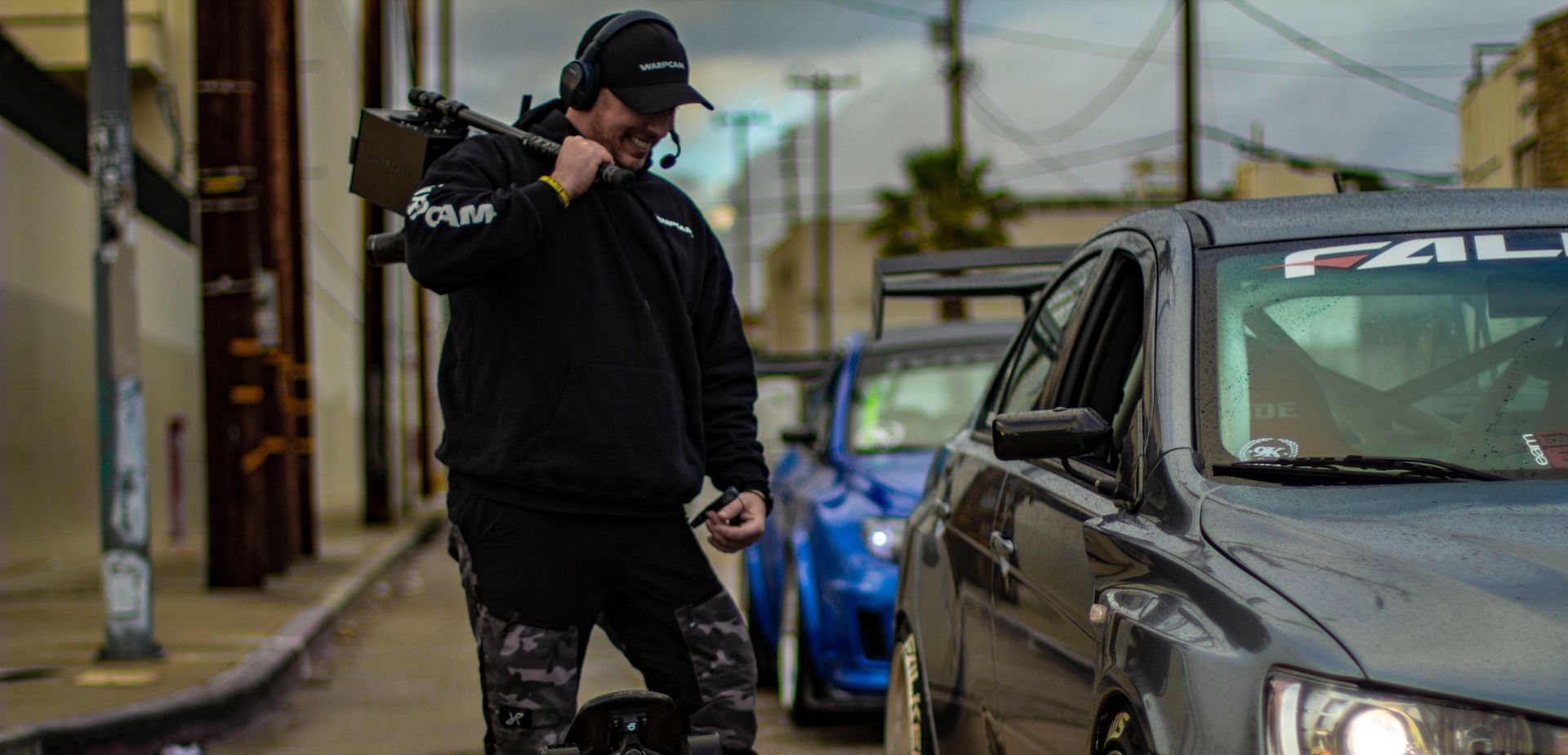
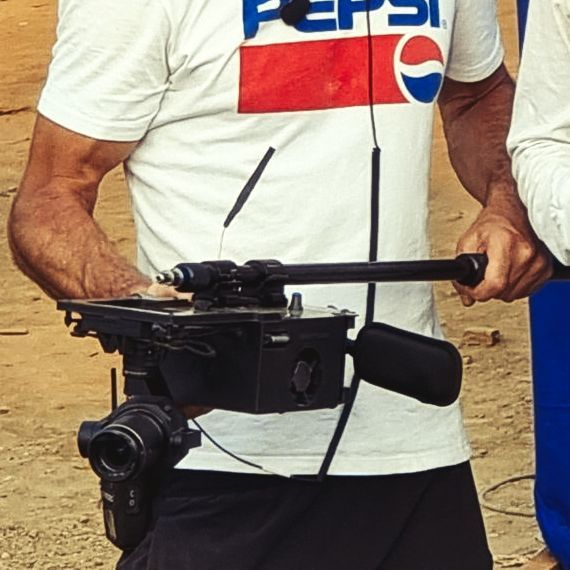
WarpCam® is an innovative camera system that captures dynamic action from any angle. As a physical operator of the WarpCam®, a stunt performer may need to manage the camera while performing complex stunts. This requires a combination of technical knowledge and physical skill to ensure the camera captures the desired shots without compromising the safety or performance of the stunt. Operating WarpCam® involves precise coordination, as the operator must maneuver the camera in sync with their stunts, providing unique and immersive perspectives that enhance the visual impact of the scene.
By utilizing this extensive range of equipment, including specialized tools like the WarpCam®, stunt performers can execute a wide variety of stunts safely and effectively, ensuring both their safety and the success of the production.
How Do Stunt Performers Stay Fit and Ready for Action?
Staying fit and ready for action is essential for stunt performers. A well-rounded approach to physical training, diet, and mental preparation helps them maintain peak performance and reduce the risk of injury. Here are some key strategies:
Physical Training:
Stunt performers engage in a comprehensive fitness routine that includes strength training, endurance exercises, flexibility work, and skill-specific drills.
Strength Training:
Building muscle strength is crucial for performing demanding stunts and protecting the body from injuries. Stunt performers focus on exercises like weightlifting, bodyweight exercises (push-ups, pull-ups), and functional training that targets core strength and overall stability.
Endurance: Cardiovascular fitness is essential for maintaining stamina during long filming days and intense action scenes. Running, cycling, swimming, and high-intensity interval training (HIIT) are common endurance-building activities.
Flexibility: Flexibility reduces the risk of injury and improves the range of motion needed for various stunts. Stunt performers incorporate activities such as yoga, Pilates, and dedicated stretching routines into their training.
Skill-Specific Drills: Depending on the type of stunts, performers practice specific skills like martial arts, gymnastics, parkour, and acrobatics. Regular practice helps refine techniques and maintain high proficiency.
Diet and Nutrition:
A balanced diet is fundamental for maintaining energy levels, muscle growth, and overall health.
Balanced Meals:
Stunt performers consume meals rich in lean proteins, complex carbohydrates, healthy fats, and plenty of fruits and vegetables. This balance supports muscle repair, energy production, and overall well-being.
Hydration:
Staying hydrated is crucial, especially during intense physical activity. Drinking plenty of water throughout the day helps maintain performance and prevents dehydration.
Supplements:
Depending on individual needs, some stunt performers might use supplements such as protein powders, vitamins, and minerals to support their diet. However, it's important to consult with a nutritionist or healthcare provider before starting any supplement regimen.
Mental Preparation:
Mental focus and resilience are as important as physical fitness for stunt performers.
Mindfulness and Meditation:
Practices like mindfulness and meditation help stunt performers stay calm, focused, and centered. These techniques can reduce stress and improve concentration during high-pressure situations.
Visualization: Visualizing stunts and rehearsing them mentally can enhance performance and build confidence. This mental rehearsal prepares the mind for the physical execution of stunts.
Rest and Recovery:
Adequate rest is essential for mental and physical recovery. Stunt performers prioritize sleep and include rest days in their training schedules to prevent burnout and allow their bodies to heal.
Stress Management:
Managing stress through hobbies, relaxation techniques, and a strong support network helps stunt performers maintain their mental health and resilience.
Overall Fitness Routine:
A well-rounded fitness routine for stunt performers includes:
Strength Training:
3-4 times per week.
Cardiovascular Exercises: 3-5 times per week.
Flexibility and Mobility Work:
Daily, with focused sessions 2-3 times per week.
Skill Practice:
Regularly, depending on the specific stunts they are working on.
Rest and Recovery:
Ensuring 7-9 hours of sleep per night and incorporating rest days into the weekly schedule.
By following these strategies, stunt performers can stay fit, ready for action, and capable of performing at their best, while minimizing the risk of injury and maintaining overall well-being.
What Should Parents Know If Their Child Wants to Become a Stunt Performer?
If your son or daughter has expressed an interest in becoming a stunt performer, it's natural to have concerns about their safety and career prospects. Here are some important points to consider, which can help alleviate your fears and provide a balanced view of the profession.
Safety and Training:
Stunt performing is a profession that prioritizes safety above all else. Aspiring stunt performers undergo rigorous training programs to learn the necessary skills and safety protocols. They train in various disciplines such as martial arts, gymnastics, driving, and more, which helps them perform stunts safely and effectively. Stunt performers use a wide range of protective gear, including helmets, pads, harnesses, and crash mats, to minimize the risk of injury. Additionally, experienced stunt coordinators and trainers oversee the training and performance of stunts, ensuring that safety measures are strictly followed.
Benefits of a Career in Stunt Performing:
While it’s a demanding profession, there are several positive aspects of pursuing a career in stunt performing. The rigorous training required for stunt work promotes excellent physical fitness and discipline. Stunt performers develop a wide range of skills, including athletic abilities, quick thinking, and problem-solving. For those passionate about action and performance, stunt work can be incredibly fulfilling and exciting, providing opportunities to work on major film and television productions. The stunt community is tight-knit, offering strong support networks and lasting friendships.
Challenges and Considerations:
However, there are also challenges to consider. Despite all safety measures, stunt performing does carry inherent risks. It’s important to understand that injuries can happen, and recovery can sometimes be long and demanding. The nature of the entertainment industry means that work can be sporadic, with periods of time without consistent work, which can be challenging for some individuals. The profession often requires long hours, travel, and physical demands that can be taxing over time.
Balancing Concerns and Support:
To support your child while addressing your concerns, consider the following steps. Research together to learn more about the stunt industry, training programs, and safety protocols. Understanding the profession can help alleviate fears. Arrange for your child to speak with experienced stunt performers or attend workshops, as hearing firsthand experiences can provide valuable insights. Ensure your child pursues a well-rounded approach, balancing stunt training with education and other skills, providing alternative career options if they later choose to change paths. If your child is passionate about stunt performing, supporting their dreams while encouraging safe practices can help them succeed in a fulfilling career.
By understanding the realities of stunt performing and taking proactive steps, you can help your child pursue their passion in a safe and informed manner. This balanced approach will provide them with the best chance of success and satisfaction in their chosen career.
What is Stunt Performance?
Stunt Performance is the on-camera execution of designed physical action. It combines physical ability with acting, timing, camera awareness, continuity and the ability to repeat an agreed sequence in collaboration with the Stunt Coordinator and other departments.
The purpose is not simply to complete a difficult movement. A Stunt Performer gives action intention, character and consequence so that it belongs inside the story. Stunt Design shapes the action; Stunt Performance gives it physical truth.
What is the difference between Stunt Performer, Stuntman, Stuntwoman and cascadeur?
Stunt Performer is the broad, inclusive English term for a professional who performs designed physical action for the screen. Stuntman and Stuntwoman are familiar gendered English titles.
In French, the corresponding terms are cascadeur and cascadeuse; artiste cascadeur and artiste cascadeuse may also be used. The credit varies by country and production, but the craft still combines specialist performance, preparation, camera awareness and close collaboration.
How does Stunt Performance connect to Stunt Design?
Stunt Design defines how physical action serves the story and how it will be prepared, staged and photographed. Stunt Performance is where that design becomes living, character-specific action.
The performer contributes practical feedback about movement, timing, costume, environment and personal capability. Any adjustment is aligned with the responsible Stunt Coordinator so the shared plan remains clear and repeatable.
What makes a strong Stunt Performer?
Versatility matters, but professionalism matters just as much: listening, physical acting, consistency, spatial and camera awareness, clear communication, fitness appropriate to the task and respect for the team’s working method.
A strong Stunt Performer does not pretend to be equally skilled at everything. They recognise the different demands of fights, high falls, body stunts, vehicles, water, fire and rigging—and communicate their actual level of training and readiness.
Why is knowing your own limits part of the job?
Every stunt discipline presents different demands, and conditions can change between rehearsal and the take. Knowing personal strengths, weaknesses and current readiness helps the Stunt Coordinator cast and adapt the action appropriately.
A performer must be able to say when an action lies outside their training, when a changed condition requires further rehearsal or when another specialist is better suited. That is professional judgement, not a lack of commitment.
How is a stunt performance prepared and rehearsed?
Preparation begins with the scene: character objective, movement beats, environment, costume, props, camera and intended result. Rehearsals establish communication, timing, distances, reactions and agreed cues before the sequence is developed toward filming conditions.
Video rehearsal or stuntvis can test how the performance and Stunt Design read on camera. The final plan remains under the supervision of the responsible Stunt Coordinator and the production’s applicable safety process.
What does a Stunt Performer do between takes?
Much of the craft happens outside the hero moment. Depending on the assignment and under the Stunt Coordinator’s direction, performers may help position or reset mats and protection, spot qualified actions, support cast and teammates, rehearse transitions, check their own equipment and maintain continuity.
Being useful also means respecting department boundaries: carry out the assigned task, communicate what has changed and never alter an agreed setup independently.
How do camera and WarpCam® influence Stunt Performance?
The camera determines what the audience perceives as speed, distance, impact and danger. A camera-aware Stunt Performer understands marks, eyelines, screen direction, lens distance and repeatable timing while keeping the action emotionally alive.
When WarpCam® serves the scene, its path can be rehearsed alongside the performer’s movement. Ferdi’s combined perspective helps align character, camera and physical action within one coherent Stunt Design.